
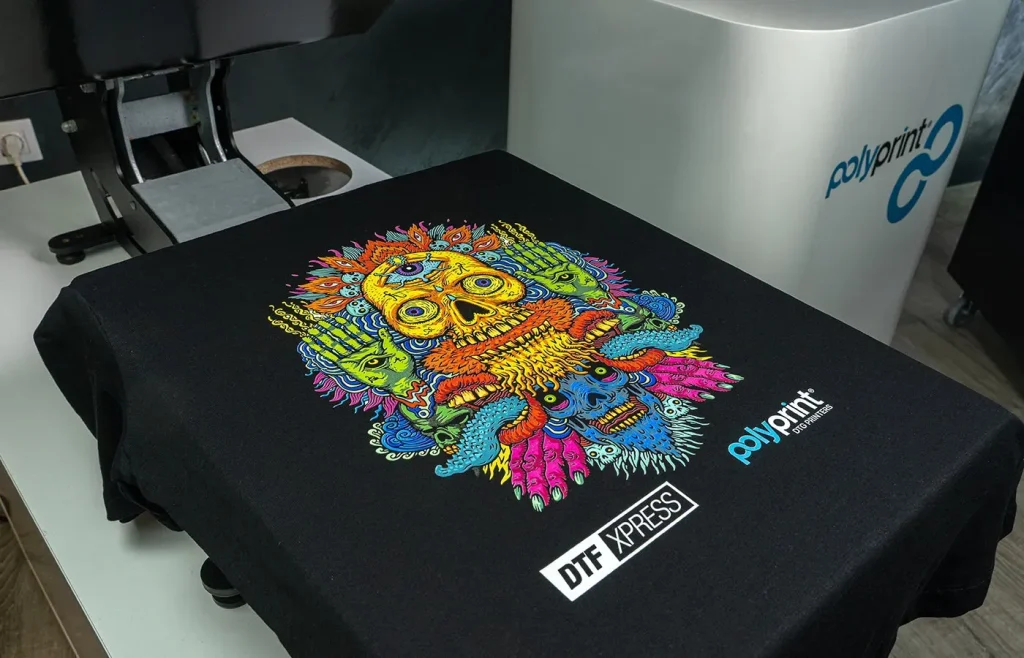
DTF printing, or Direct to Film printing, is quickly emerging as a groundbreaking force in the textile printing industry. This innovative method enables creators and businesses to produce stunning designs with remarkable detail and vibrancy, making it ideal for custom apparel printing and diverse textile applications. As the demand for sustainable textile printing solutions rises, DTF technology stands out by offering efficient and high-quality productions that reduce waste compared to traditional printing methods. Additionally, many small businesses are embracing DTF printers, which provide an affordable entry point into the custom print market without compromising on quality. This article delves deeper into how DTF printing is transforming the landscape of textile printing, supported by growing trends and its increasing popularity in various sectors.
Known alternatively as Direct to Film technology, this modern approach to fabric printing is reshaping the way designers and brands bring their visions to life. By allowing prints to be transferred through heat and pressure from specially designed films, this technique offers incredible flexibility and exceptional results across a wide variety of materials. As textile printing technology evolves, businesses are leveraging the advantages of this method for both creative expression and commercial viability, especially in the realms of custom apparel and sustainable practices. This shift towards incorporating environmentally-friendly processes aligns with the industry’s push for higher quality and less wasteful options. With the advent of DTF printing, entrepreneurs, particularly in small businesses, can explore niche markets with an efficient, innovative, and professional approach.
Understanding DTF Printing Technology
Direct to Film (DTF) printing represents a significant leap forward in the textile printing sector, positioning itself between traditional methods like screen printing and more modern techniques such as Direct to Garment (DTG). Unlike DTG, which prints directly on the fabric, DTF utilizes a specialized film to transfer designs. This allows for richer color saturation and intricate details that would be challenging to achieve with conventional printing methods. Furthermore, the adaptability of DTF enables printing on a broad spectrum of materials, including cotton, polyester, and blends, solidifying its place in a diverse market.
The DTF process involves printing a design onto a transfer film, followed by applying a heat-activated adhesive. This combination allows the graphic to adhere beautifully to the fabric, resulting in vibrant, long-lasting prints. As such, DTF printing is rising in popularity for applications ranging from custom apparel to promotional products. The flexibility and high-quality outputs make DTF an ideal choice for businesses that demand efficiency alongside superior print quality.
The Booming DTF Printing Market
The DTF printing market is experiencing rapid growth, projected to rise dramatically between 2025 and 2030. This surge is largely attributed to the increasing demand for customizable solutions in textiles, home furnishings, and specialty fashion items. As brands and manufacturers aspire to implement sustainable practices while minimizing waste, DTF printing offers an effective solution that balances quality with eco-friendly production methods.
Moreover, the unique characteristics of DTF printing cater to niche markets, allowing businesses to diversify their product offerings significantly. The ability to produce high-quality prints on-demand not only reduces inventory costs but also aligns with the growing consumer preference for personalized and environmentally-conscious apparel choices. This market evolution promises fertile ground for both new entrants and established players in the printing industry.
Frequently Asked Questions
What is DTF printing and how does it work?
DTF printing, or Direct to Film printing, is a modern textile printing technology that involves printing high-quality designs onto a special film. This film is then transferred onto various fabrics using heat and pressure. This method allows for vibrant colors and intricate designs on materials such as cotton and polyester, making it popular for custom apparel printing.
What are the main advantages of using DTF printing for custom apparel?
The advantages of DTF printing include exceptional color vibrancy, the ability to print fine details, and versatility across different fabric types. Whether for promotional merchandise or fashion items, DTF printing enables creators to produce high-quality, custom apparel quickly and efficiently.
How does DTF printing contribute to sustainable textile printing?
DTF printing contributes to sustainable textile printing by utilizing high-performance inks and processes that minimize waste. This eco-friendly approach aligns with modern consumer demands for environmentally conscious products, ensuring minimal impact while delivering high-quality results.
What types of DTF printers are available for small businesses?
Small businesses can choose between dedicated DTF printers, designed specifically for this printing method, and hybrid printers that support multiple technologies. These printers offer flexibility and efficiency, allowing small creators to produce high-quality custom apparel without extensive investment.
How is DTF printing transforming the landscape of digital textile printing?
DTF printing is revolutionizing digital textile printing by offering a high-quality, flexible solution that meets the growing demand for customization. Its ability to produce vibrant, intricate designs quickly and sustainably enables businesses to respond rapidly to market trends and consumer preferences.
What future opportunities does DTF printing present for small creators and businesses?
DTF printing offers numerous future opportunities for small creators, allowing them to enter the custom apparel market with minimal setup costs. As the demand for personalized products continues to grow, DTF technology equips businesses to meet these needs, tapping into niche markets and expanding their offerings.
| Key Aspects | Details |
|---|---|
| What is DTF Printing? | A method of printing designs onto special film for transfer onto fabric using heat and pressure. It offers vibrant colors, intricate details, and flexibility on various fabrics. |
| Market Growth | DTF printing is projected to see significant growth due to demand in custom apparel, home textiles, and specialty items from 2025-2030. |
| Types of DTF Printers | Dedicated DTF printers optimized for quality and speed, and hybrid printers that support multiple printing methods. |
| Sustainability | DTF technology aligns with sustainable manufacturing, focusing on high-performance inks and streamlined processes to reduce waste. |
| Popularity Among Creators | Growing interest from home creators and small businesses, with models like Procolored Printer P13 offering versatility and affordability. |
| Business Opportunities | DTF printing provides new avenues for businesses and contract printers to create custom products without heavy investments. |
| Industry Events | Events like Fespa 2025 showcase innovations in DTF technology and demonstrate strong industry interest. |
Summary
DTF printing is revolutionizing the textile printing industry by introducing a method that combines quality and efficiency with higher sustainability standards. This innovative printing technique not only enables vibrant and intricate designs on a variety of fabrics but also caters to the growing demand for customized products in the market. As businesses increasingly adopt DTF printing, they can meet modern consumer expectations while minimizing environmental impact. The future of textile printing looks promising with DTF technology at the forefront, paving the way for creative entrepreneurs and established brands alike to explore new horizons in product personalization.