
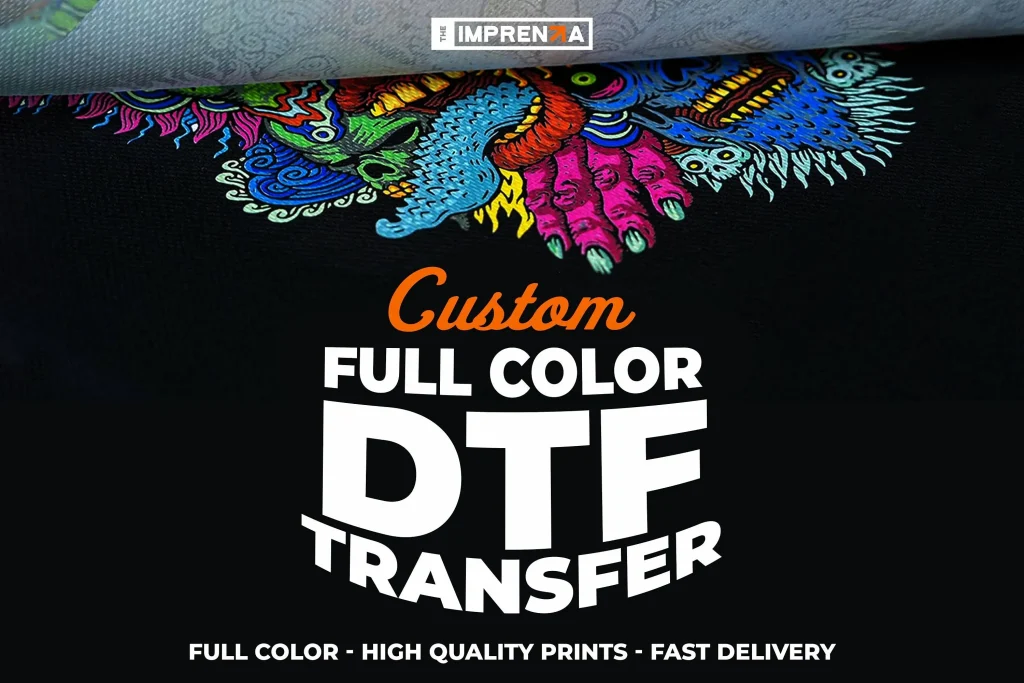
DTF transfers, or Direct-to-Film printing, are revolutionizing the landscape of textile printing technology. This innovative method offers a unique approach for custom apparel printing, enabling designers to produce vibrant, high-quality prints with outstanding durability. As the demand for eco-friendly printing methods increases, DTF transfers provide a sustainable solution without compromising on quality or efficiency. With its versatility in application across various fabrics, this technique is becoming a popular choice among businesses striving to meet diverse consumer needs. Join us as we delve into the future of textile printing and explore why DTF transfers stand out in this rapidly evolving industry.
Known as Direct-to-Film technology, DTF printing is garnering attention for its ability to transform fabric design processes. This cutting-edge printing technique facilitates custom fabric creation, making it easier for designers to achieve intricate and colorful patterns on textiles. As a modern advancement in the textile printing sector, DTF represents a shift towards eco-friendly practices, appealing to environmentally-conscious consumers. Its widespread applications mean that businesses can leverage this adaptable method for a variety of products, including fashion wear and promotional items. Discover how this versatile form of printing is shaping the future of the fabric printing landscape.
Understanding Direct-to-Film Transfers
Direct-to-Film (DTF) transfers are transforming the landscape of textile printing by offering a unique method where designs are printed on a special film and subsequently transferred to various fabric types using heat and pressure. This innovative technique enables the reproduction of intricate designs with a remarkable degree of vibrancy, affording businesses the opportunity to cater to a wide array of consumer tastes. The ability to achieve precise detail without the extensive pre-treatment of fabrics sets DTF apart from other printing technologies, making it a top choice for manufacturers looking to enhance their offerings in custom apparel and other textile products.
Moreover, DTF transfers allow for greater flexibility in terms of fabrics, meaning that they can be applied effectively to cotton, polyester, and blends alike. This versatility makes it possible for designers to experiment with different materials and styles, pushing the boundaries of creativity in textile design. The adaptability of DTF printing ensures that it can meet various demands, from fashion to promotional merchandise, enabling businesses to explore different markets and customer segments.
The Benefits of DTF Transfers for Custom Apparel
The rise of DTF transfers has been particularly significant in the realm of custom apparel printing, where businesses seek quality, efficiency, and versatility to meet consumer demands. Unlike traditional printing techniques, DTF allows for stunning graphics and detailed illustrations that can withstand the rigors of regular wear and tear. This durability appeals to both consumers and businesses, as it assures them that the designs will retain their vividness even after multiple washes.
Furthermore, the cost-effectiveness of DTF printing allows small businesses and entrepreneurs to enter the custom apparel market without significant upfront investment. This method minimizes material waste and reduces ink costs, making it financially viable to produce on-demand custom items. By allowing for smaller production runs, DTF caters to the growing trend of personalized fashion, thereby attracting tech-savvy customers who value individuality in their clothing.
Eco-Friendly Printing Methods in DTF
In an age where environmental sustainability is becoming increasingly important, DTF transfers stand out as an eco-friendly printing method. By utilizing water-based inks, DTF technology minimizes the use of harmful solvents often found in traditional printing processes. This significant reduction in hazardous chemicals not only protects the environment but also aligns with consumer preferences for greener alternatives in textile production.
Moreover, the reduced water usage in DTF printing processes contributes further to its status as an environmentally conscious method. With consumers actively seeking brands that demonstrate a commitment to sustainability, businesses adopting DTF technology can proudly market their products as eco-friendly. This not only enhances brand reputation but also builds customer loyalty among eco-conscious consumers.
Production Efficiency with DTF Transfers
One of the standout advantages of DTF transfers is their impact on production efficiency. The streamlined process of DTF printing—from film creation to the final transfer—allows businesses to speed up their production timelines significantly. With minimal setup requirements and reduced production times, DTF technology is perfectly equipped to handle the fast-paced demands of the fashion industry, which often requires quick turnaround times.
The efficiency of DTF transfers also translates into higher productivity levels for textile manufacturers. By optimizing the workflow and reducing bottlenecks, businesses can handle a greater volume of orders without compromising on quality. This agility gives companies a competitive edge, enabling them to respond swiftly to market trends and customer requests, thereby enhancing their overall operational effectiveness.
Versatile Applications of DTF Transfers
Beyond just custom clothing, DTF transfers offer versatile applications across various sectors, including home décor and promotional products. The ability to print on multiple substrates opens up vast possibilities for creating unique items that cater to diverse audience needs. From decorative textiles to customized gifts, the adaptability of DTF printing empowers businesses to expand their service offerings unbounded by material constraints.
Additionally, the continued growth in DTF printing techniques paves the way for businesses to innovate within traditional markets. Promotional items such as banners, tote bags, and fabric patches can all benefit from the high-quality prints produced through DTF technology, enhancing their appeal and effectiveness. This broad scope not only allows for diversified revenue streams but also encourages businesses to experiment and create bespoke solutions that attract new customers.
The Future of Textile Printing with DTF Transfers
As we look to the future of textile printing, DTF transfers are poised to play a pivotal role in shaping industry standards. With an increasing emphasis on customization and personalization in consumer products, DTF printing techniques can accommodate unique design requests with remarkable efficiency. Businesses that leverage DTF technology can position themselves at the forefront of an evolving market where consumer preferences are constantly shifting.
Moreover, advancements in DTF technology will likely continue to refine and enhance print quality and efficiency, further solidifying its dominance in the textile printing industry. As sustainability becomes a focal point, the eco-friendly aspects of DTF printing will resonate with socially responsible brands and conscious consumers. This ongoing evolution ensures that DTF transfers not only represent a progressive step in the industry but also guarantee a thriving future for eco-friendly and high-quality textile printing.
Frequently Asked Questions
What are DTF Transfers and how do they work?
DTF Transfers, or Direct-to-Film printing, involve printing designs onto a specialized film which is then applied to fabric using heat and pressure. This method allows for vibrant colors and fine details, making it ideal for various textiles without needing pre-treatment.
What advantages do DTF Transfers have over traditional printing methods?
DTF Transfers offer several advantages, including versatility in materials, cost-effectiveness with reduced ink usage, faster production times, and sustainably using water-based inks, making it an efficient choice for custom apparel printing.
Can DTF Transfers be used on different types of fabrics?
Yes, DTF Transfers can be printed on a broad range of materials, including cotton, polyester, and blends, making them highly versatile for various custom apparel needs.
Are DTF Transfers environmentally friendly?
DTF Transfers utilize eco-friendly printing methods by employing water-based inks, significantly reducing the environmental impact compared to traditional printing techniques that use harmful solvents.
How does DTF Transfers impact production efficiency?
DTF Transfers enhance production efficiency by reducing setup times and increasing productivity, allowing businesses to meet the fast-paced demands of the fashion and textile industry.
What makes DTF Transfers a good choice for businesses involved in custom apparel printing?
DTF Transfers are ideal for custom apparel printing due to their cost-effectiveness, versatility, high-quality output, and ability to quickly adapt to market demands and customer preferences.
| Key Point | Description |
|---|---|
| What Are DTF Transfers? | A printing method where designs are printed onto a special film and transferred onto fabrics using heat and pressure. |
| Advantages of DTF Transfers | DTF offers versatility, cost-effectiveness, efficient production, sustainability, and broad application scope. |
| Versatility and Quality | Produces high-quality prints on various materials, accommodating a range of customer needs. |
| Cost-Effectiveness | Saves on ink and materials, ideal for small businesses with low startup costs. |
| Production Efficiency | Quicker production times suited to fast-paced fashion demands. |
| Sustainability Considerations | Uses water-based inks, reducing environmental impact compared to traditional methods. |
| Technological Advancements | Ongoing enhancements improve print quality and efficiency. |
| Broad Application Scope | Applicable in fashion, home décor, promotional products, and beyond, offering service diversification. |
Summary
DTF transfers represent a revolutionary change in textile printing, combining quality, efficiency, and sustainability. This innovative method not only caters to the growing demand for unique and customizable designs but also aligns with eco-conscious practices through the use of water-based inks. As businesses tackle the challenges of a fast-paced industry, adopting DTF technology equips them with the agility needed to enhance customer satisfaction while minimizing waste. In this rapidly evolving market, DTF transfers are not just a passing trend; they are integral to the future landscape of textile printing.