DTF Supplies are revolutionizing the world of textile printing, offering businesses a cost-effective and high-quality solution to meet modern demands. As Direct-to-Film (DTF) printing gains traction, the market is flooded with innovative supplies, from eco-friendly DTF printers to advanced transfer films that enhance the printing process. The latest breakthroughs in innovative ink formulations are ensuring vibrant colors and durability, setting a new standard for fabric prints. In this article, we will delve into what’s hot in DTF supplies, exploring the technological advancements that are reshaping the industry as of 2025. Join us as we uncover the future prospects of DTF printing and its sustainable benefits for entrepreneurs and creators alike.
Direct-to-Film supplies encompass a range of resources essential for effective textile printing. With the rise of this innovative technique, businesses are increasingly seeking high-performance materials and eco-conscious alternatives. This evolving sector includes options such as sustainable DTF printers, specialized transfer films, and cutting-edge ink solutions that collectively enhance output quality. The following discussion will highlight key trends, advancements, and the anticipated growth within the realm of DTF printing supplies, shedding light on the significant transformations shaping the industry today.
Understanding DTF Printing Technology
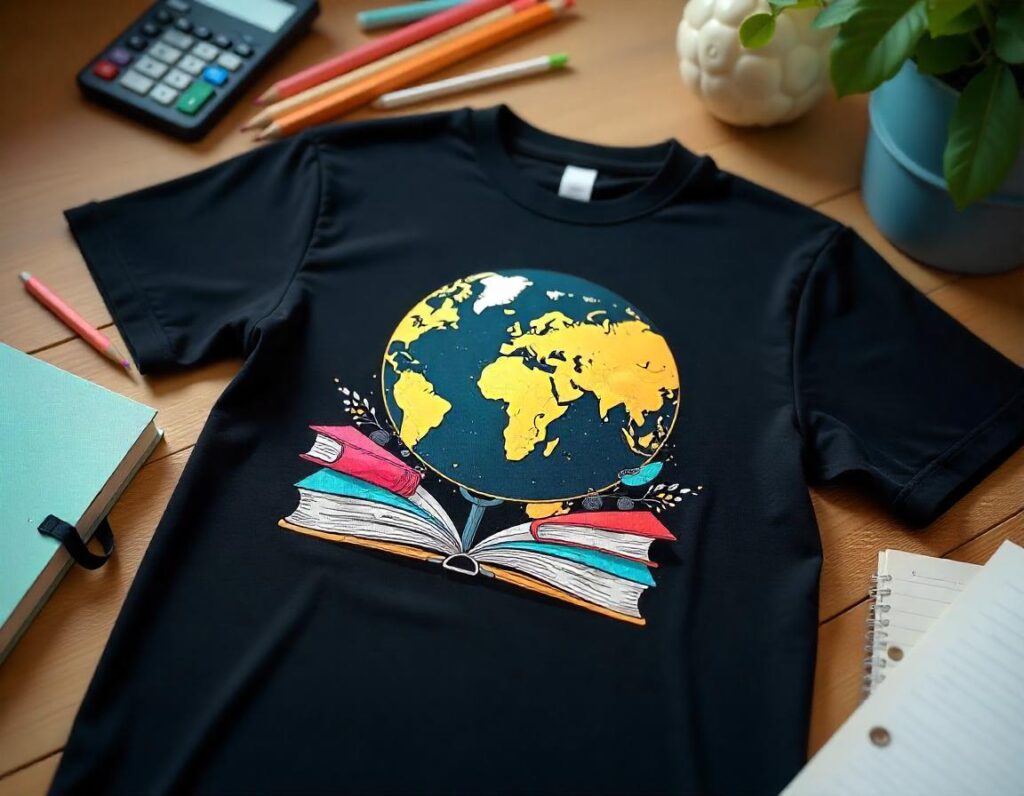
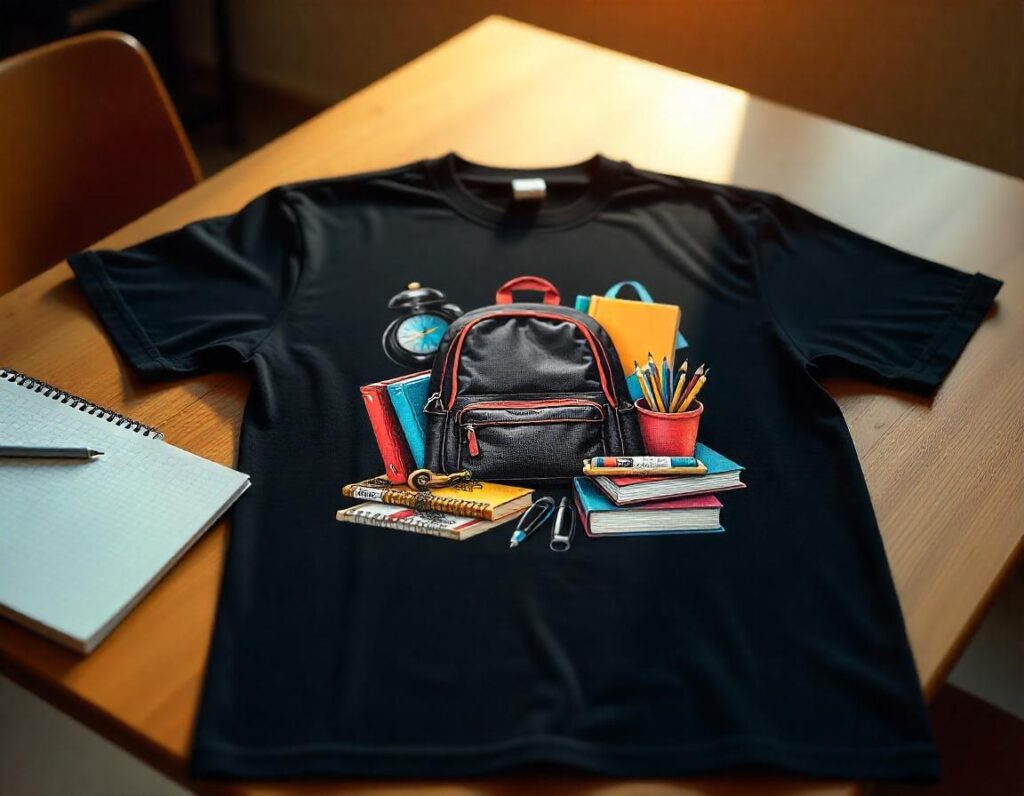
Direct-to-Film (DTF) printing technology is revolutionizing how designs are transferred onto fabrics, enabling high-quality printing on a diverse range of materials. The process involves printing designs onto a special transfer film, which is then applied to garments using heat transfer methods. This technology allows for vibrant colors and intricate details, making it an ideal choice for custom apparel and promotional products. With its adaptability, DTF printing can cater to various fabric types, including cotton, polyester, and blends, thereby accommodating a broad spectrum of printing applications.
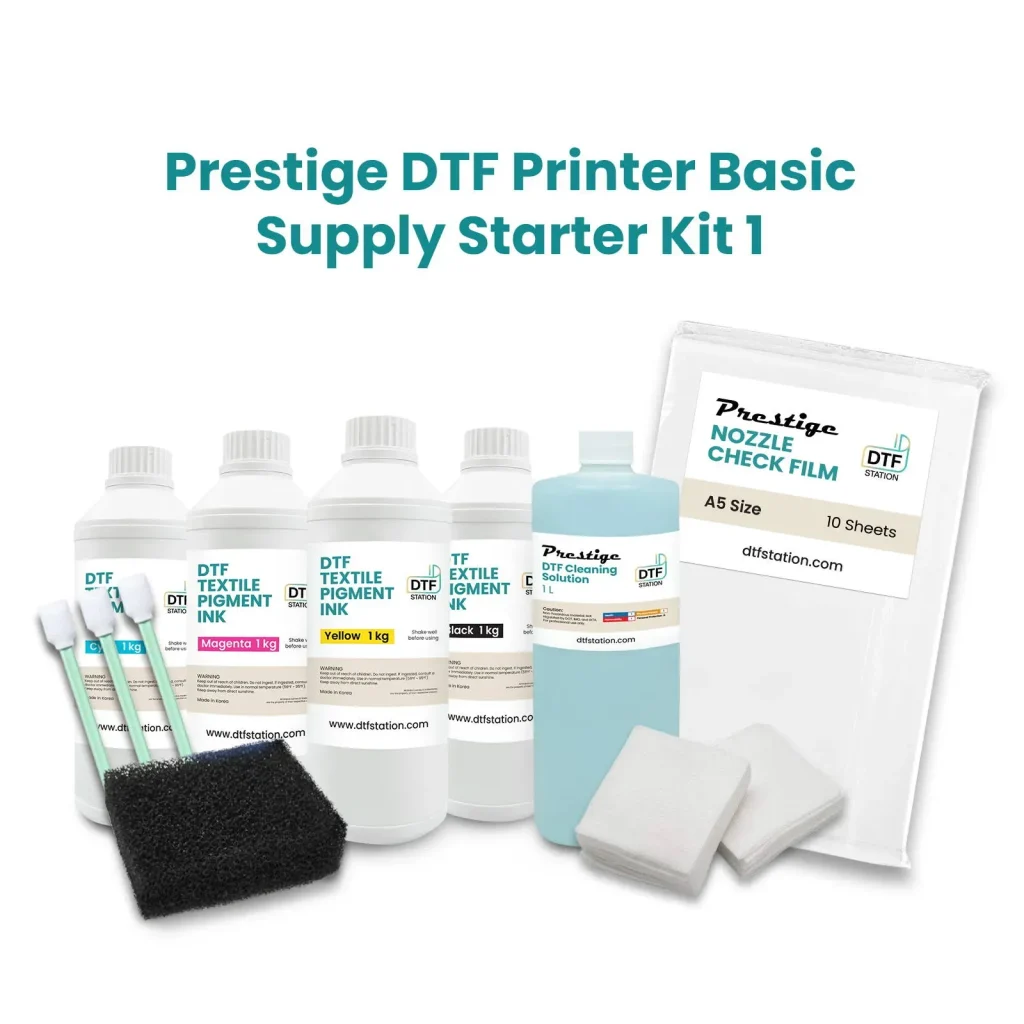
One of the standout features of DTF printing is its ability to generate durable prints that resist fading and cracking. This is largely due to the innovative ink formulations used, which not only enhance the adherence of prints but also improve their longevity on fabrics. As DTF technology continues to evolve, it is becoming increasingly accessible for small and medium-sized businesses looking to offer customized printing solutions without the need for extensive equipment or expertise.
The Rise of Eco-Friendly DTF Printers
The demand for sustainable printing solutions has led to the development of eco-friendly DTF printers that prioritize environmental responsibility without compromising quality. These printers utilize water-based inks that are non-toxic and biodegradable, significantly reducing the ecological impact of traditional printing methods. Companies like Mimaki are at the forefront of this trend, offering printers designed to minimize energy consumption and waste during the printing process.
This shift toward eco-friendly DTF printers not only caters to the growing consumer demand for sustainable products but also positions businesses as responsible corporate citizens. The integration of green practices within the DTF printing industry reflects a broader commitment to sustainability, paving the way for a future where printing can be both profitable and environmentally friendly.
Key Innovations in DTF Transfer Films
DTF transfer films have undergone significant advancements, with new formulations enhancing usability and print quality. These improved transfer films provide optimal clarity and excellent release properties, allowing for seamless application to fabrics. Soft Touch Films, in particular, have emerged as a popular choice due to their texture and durability, ensuring that prints not only look professional but also feel comfortable on the skin.
Moreover, the advancements in transfer film technology contribute to a more user-friendly printing process. New users can achieve high-quality results with minimal experience, thanks to films designed to release easily from the substrate. As these innovations continue to evolve, they promise to empower businesses to produce eye-catching designs that meet consumer expectations.
Heat Press Technology and Its Impact on DTF Printing
Heat press technology plays an integral role in the DTF printing process, ensuring that transfers adhere perfectly to the chosen fabric. Newer models come equipped with advanced features such as precise temperature control and adjustable pressure settings, which are essential for achieving consistent results. Brands like Stahls’ and Geo Knight are leading the charge in this area, pushing boundaries to maximize the effectiveness of heat application.
The incorporation of smart technology into heat press machines further enhances user experience by simplifying the process of transferring designs onto fabrics. These innovations not only reduce the likelihood of human error during application but also promote efficiency, allowing businesses to fulfill orders faster and with greater accuracy. As the market for DTF printing continues to grow, the demand for high-quality heat press machinery will likely increase as well.
Market Growth and Emerging Trends in DTF Supplies
The DTF printing market is poised for remarkable growth, driven by the increasing popularity of customized products and on-demand printing solutions. Analysts predict that the market could surpass $3 billion by 2028, as small and medium-sized businesses realize the potential of DTF technology to meet consumer demands for personalized items. This uptick in interest reflects a shift towards more innovative print solutions and highlights the adaptability of DTF supplies in a competitive landscape.
As businesses look for ways to differentiate themselves, the capabilities of DTF printing become more critical. From vibrant colors to intricate designs, the versatility of DTF supplies enables entrepreneurs to create unique products that stand out in the marketplace. By harnessing the power of DTF technology, businesses can meet the growing demand for customization and establish themselves as leaders in the textile printing industry.
Building a Supportive DTF Printing Community
The growth of online communities dedicated to DTF printing has created a network of support for both novice and experienced users. These platforms serve as vital sources of information, where members can share tips, resources, and the latest trends related to DTF supplies. Through collaboration and knowledge sharing, users can enhance their skills and stay updated on innovative advancements in DTF technology.
As the DTF printing community continues to expand, it fosters an environment ripe for creativity and innovation. By connecting with fellow enthusiasts and experts, users can gain insights into best practices and emerging technological developments, ultimately contributing to the overall growth of the DTF sector. This collaborative spirit not only enhances individual skills but also drives the industry forward, making DTF printing a thriving experience for all involved.
Frequently Asked Questions
What are the latest innovations in DTF supplies for 2025?
The latest innovations in DTF supplies include advanced ink formulations that enhance color vibrancy and adhesion, eco-friendly DTF printers utilizing water-based inks, improved DTF transfer films with better clarity and softness, and heat press technologies that offer precise temperature control. These advancements make DTF printing more efficient and environmentally friendly.
How do eco-friendly DTF printers impact the environment?
Eco-friendly DTF printers primarily use water-based inks that drastically reduce the environmental footprint of the printing process. Companies like Mimaki are leading this shift by producing biodegradable inks and energy-efficient machines, thus minimizing waste and promoting sustainability in the DTF printing industry.
What are DTF transfer films and their importance in the printing process?
DTF transfer films are specialized films used in the direct-to-film printing process to transfer designs onto fabrics. Their quality is crucial as improved films offer better clarity, release properties, and adherence. Innovations in soft-touch films have made them a favorite for achieving professional-quality results quickly and easily.
What can you tell me about innovative ink formulations in DTF printing?
Innovative ink formulations in DTF printing are designed to provide enhanced durability, color vibrancy, and better adhesion to various fabrics, such as cotton and polyester. These advancements lead to longer-lasting prints that can withstand washing and wear, thus improving the overall quality of DTF printed products.
How is the DTF printing market expected to grow by 2028?
The DTF printing market is expected to exceed $3 billion by 2028, driven by the increasing demand for customization and on-demand printing solutions among small to medium-sized businesses. This growth reflects a rising interest in personalized products and innovative printing techniques.
Where can I find resources and community support for DTF printing?
Online communities and forums dedicated to DTF printing offer invaluable resources, tips, and networking opportunities for both novice and experienced users. Platforms like DTF Course facilitate knowledge sharing and support, helping individuals stay updated on the latest trends and technologies in DTF supplies.
| Key Development | Description |
|---|---|
| Innovative Ink Formulations | Modern inks enhance adhesion, color vibrancy, and durability, suitable for various fabrics, raising print quality standards. |
| Eco-Friendly DTF Printers | Eco-friendly printers use water-based inks, reducing environmental impact and energy consumption. |
| Improved Transfer Films | New soft touch films offer better clarity and ease of handling, helping users achieve professional results. |
| Heat Press Technology | Advancements in heat press technology provide improved control, leading to more reliable transfers. |
| Market Growth and Predictions | DTF printing market is predicted to exceed $3 billion by 2028, driven by customization demand. |
| Community and Resource Sharing | Online communities foster resource sharing and knowledge exchange for users, driving innovation. |
Summary
DTF Supplies have revolutionized the textile printing industry with innovative advancements that prioritize quality, sustainability, and user-friendliness. As technology evolves, businesses can leverage eco-friendly printers and enhanced inks to meet consumer demand for vibrant, durable, and customizable products. The trend towards community-driven resources further empowers entrepreneurs and users, ensuring they have the support to navigate this dynamic market. With the DTF printing sector set for significant growth and continuous improvement in supplies, it is crucial for businesses to stay informed on these innovations to remain competitive.