
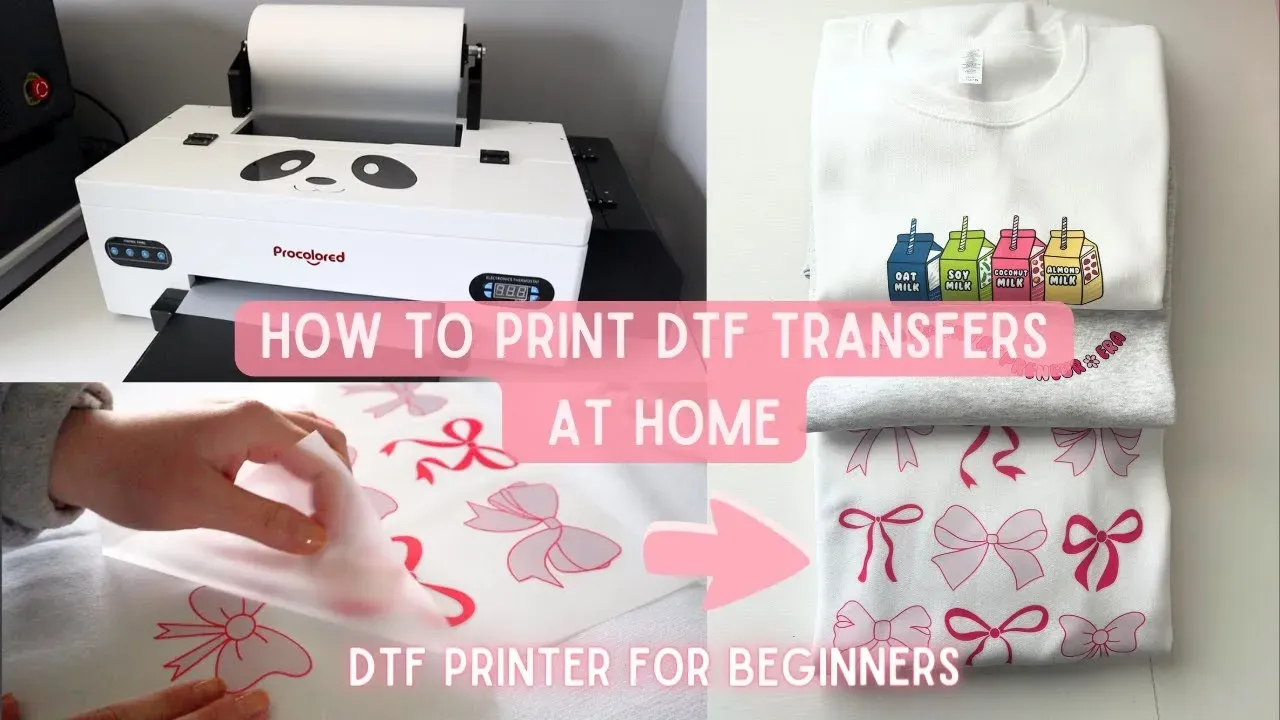
DIY DTF transfers are revolutionizing the world of custom fabric printing, offering a unique and efficient way to create stunning designs at home. As a popular alternative to traditional heat transfer methods, the DTF printing technique allows for vibrant artwork to be printed on films, which can then be transferred onto a variety of fabrics with ease. With the right DTF printer setup and quality DTF transfer materials, anyone can delve into DIY fabric printing, whether for personal use or small business ventures. This guide will take you through the essentials of DIY DTF transfers, sharing valuable tips and step-by-step instructions for perfecting your craft. Get ready to transform your fabric creations and embrace the endless possibilities of DTF transfers!
Whether you're exploring the realm of fabric decoration or diving into the intricacies of heat transfer printing, DIY DTF transfers serve as a fantastic gateway into this artistic world. The direct-to-film printing method enables enthusiasts to produce personalized designs that adhere flawlessly to various fabric types, from cotton to polyester. This overview will not only delve into essential materials needed for your DIY DTF endeavors but also guide you through the setup of your printing equipment. As you venture into home-based fabric printing, you'll discover how DTF techniques can elevate your crafting experience, leading to exceptional results that rival professional-quality prints. Unleash your creativity and craft vibrant custom garments that truly reflect your personal style!
Understanding the DTF Printing Technique
The Direct to Film (DTF) printing technique is a revolutionary innovation in the textile industry. Unlike traditional methods that require extensive setup, DTF printing allows for quick and efficient transfer of designs onto various fabrics. It operates by first printing your image onto a specially coated film using a DTF printer, which applies vibrant colors enabled by specialized inks. The printed film is then coated with an adhesive powder that bonds the design when heat is applied, resulting in a durable, high-quality finish. This method stands out especially for its ability to reproduce intricate designs, making it an ideal choice for custom apparel.
One of the advantages of the DTF printing technique is its versatility. You can easily transfer designs onto cotton, polyester, and even blends, ensuring that your creations stand out. Moreover, the process minimizes the risk of cracking and fading, which are common issues faced with other heat transfer methods. As you explore DIY DTF transfers, understanding this technique will empower you to create stunning custom prints with ease, providing endless opportunities for creativity in your fabric projects.
Essential DTF Transfer Materials
Before embarking on your DIY DTF transfer journey, it’s crucial to gather the right materials to ensure successful printing and application. The primary components include a DTF printer, which is specifically designed to handle the unique inks used in this process. Additionally, you’ll need DTF transfer film, which features a special coating that helps the print adhere to fabrics effectively. Investing in quality adhesive powder is also imperative, as this plays a critical role in the durability of your transfer.
In addition to the main items, it’s recommended to have a reliable heat press that allows for consistent temperature and pressure application. This ensures that your transfers adhere properly without damaging the fabric. Lastly, graphic design software is essential for creating and optimizing your designs for printing. By preparing these materials ahead of time, you’ll set yourself up for smooth DIY DTF transfers that yield professional results.
DIY Fabric Printing: Creating Your Design
Creating your design is one of the most exciting parts of the DIY DTF process. Utilize graphic design software like Adobe Illustrator or CorelDRAW to craft unique visuals that reflect your style. It’s important to create your designs in CMYK color mode to ensure accurate color representation during the printing phase. Starting with simpler projects can help you familiarize yourself with the software and the DTF process before moving on to more complex illustrations, allowing you to refine your skills.
Moreover, consider the type of fabric you are printing on when designing your image. Bright colors and detailed patterns often work best on lighter fabrics, while darker materials may require a white ink base to ensure vibrancy. Don't be afraid to experiment with different color combinations and styles to find what resonates with your vision. This element of creativity in DIY fabric printing is what truly sets DTF transfers apart, giving you the freedom to explore your artistic potential.
The DTF Printer Setup Process
Setting up your DTF printer is a critical step in the DIY DTF transfer process that can significantly influence the quality of your prints. Begin by carefully following the manufacturer’s instructions for installation, ensuring that all components are correctly assembled. Pay special attention to ink loading; use high-quality DTF inks that are compatible with your specific printer model for optimal results. It’s also advisable to clean the printer heads regularly to prevent clogging, which can impair print quality.
Additionally, optimizing your printer settings for DTF printing is essential. Select the correct print mode that corresponds with the type of film you are using. This often involves adjusting resolutions and color profiles to produce vibrant, detailed prints. By taking the time to set up your DTF printer properly, you will enhance the execution of your DIY DTF transfers, allowing for stunning designs that adhere perfectly to your fabric.
Heat Transfer Methods: The Application Process
Understanding heat transfer methods is essential when applying your DTF prints to fabric. Once you have printed your design and applied adhesive powder, the next step is the heat transfer application. Preheating your heat press to the appropriate temperature is crucial; typically, DTF transfers require around 320°F (160°C) for optimal adhesion. Carefully align your DTF film face down onto your chosen fabric to ensure precision during the transfer process.
Use a piece of parchment paper to cover the film while applying heat. This step not only prevents damage to your heat press but also protects the transfer from scorching. Once you have set the timer, it’s important to allow the transfer to cool slightly before peeling away the film. Taking these precautions during the heat transfer method will help achieve a seamless finish, ensuring long-lasting and vibrant designs that elevate your DIY DTF transfers.
Post-Transfer Tips and Quality Control
After completing your DIY DTF transfers, it's vital to engage in quality control to ensure your printed designs meet your expectations. Start by examining the adhesion of the design to the fabric. The transfer should feel smooth and should not lift easily from the fabric edge. If you notice any imperfections, you might need to revisit the transfer process and make adjustments, such as altering the temperature or pressure settings on your heat press.
Furthermore, consider washing and caring for the printed items to assess the longevity of the transfer. Use cold water and a gentle cycle to maintain the quality of your prints. Additionally, always refer to the adhesive's instructions to understand the best practices for washing and caring for the fabric. These post-transfer tips will help ensure your creations remain vibrant and intact, providing long-lasting enjoyment from your DIY DTF transfers.
Frequently Asked Questions
What do I need to start DIY DTF transfers?
To start DIY DTF transfers, you'll need a DTF printer, DTF transfer film, a heat press, adhesive powder, and graphic design software. These DTF transfer materials are essential for successful fabric printing.
How does the DTF printing technique work?
The DTF printing technique involves printing your design onto a special film using a DTF printer. Afterward, adhesive powder is applied before using a heat press to transfer the design onto fabric, ensuring vibrant and durable results.
Can I use any design software for creating my DTF prints?
While you can use various design software for DIY fabric printing, it's recommended to use programs that support CMYK color mode, like Adobe Illustrator, to ensure color accuracy for your DTF transfers.
What is the best DTF printer setup for beginners?
For beginners, choose a DTF printer that is compatible with DTF inks and easy to set up. Look for user-friendly options with a reliable support network to assist with the DTF printing technique and troubleshooting.
What are the most common heat transfer methods for DTF transfers?
The most common heat transfer methods for DIY DTF transfers are using a heat press and a home iron. However, a heat press is preferred for consistent temperature and pressure, resulting in high-quality fabric prints.
How do I ensure the quality of my DIY DTF transfers?
To ensure quality in your DIY DTF transfers, use high-quality DTF transfer materials, optimize your printer settings, and follow the heat transfer process accurately. Practices like applying adhesive powder evenly and curing properly will enhance durability and vibrancy.
| Step | Key Point | Details |
|---|---|---|
| 1 | Materials Needed | Gather DTF printer, transfer film, heat press, adhesive powder, and design software. |
| 2 | Create Your Design | Use design software to create CMYK graphics for accuracy. |
| 3 | Printing | Optimize printer settings and print mirrored image onto the film. |
| 4 | Applying Adhesive | Sprinkle adhesive powder evenly over wet ink for strong bonding. |
| 5 | Curing the Print | Cure adhesive using a preheating oven for durability. |
| 6 | Heat Transfer Process | Use heat press to transfer design onto fabric, covering with parchment paper. |
| 7 | Peeling and Finishing | Carefully peel film once cool to reveal the printed design. |
Summary
DIY DTF Transfers offer a remarkable and innovative avenue for fabric customization, allowing individuals to create unique and vibrant designs that resonate with their personal style. From the initial gathering of materials, including a specialized DTF printer and transfer films, to the final peeling of the film revealing the stunning printed artwork, each step in the process is essential for achieving the best results. By following the outlined steps—design creation, printing, applying adhesive, curing, and heat transfer—you'll not only empower your creativity but also enhance your skills in fabric decoration. With the knowledge gained from this DIY DTF Transfers guide, enthusiasts can embark on an exciting journey of custom fabric printing that can be both a fulfilling hobby and a profitable venture.