
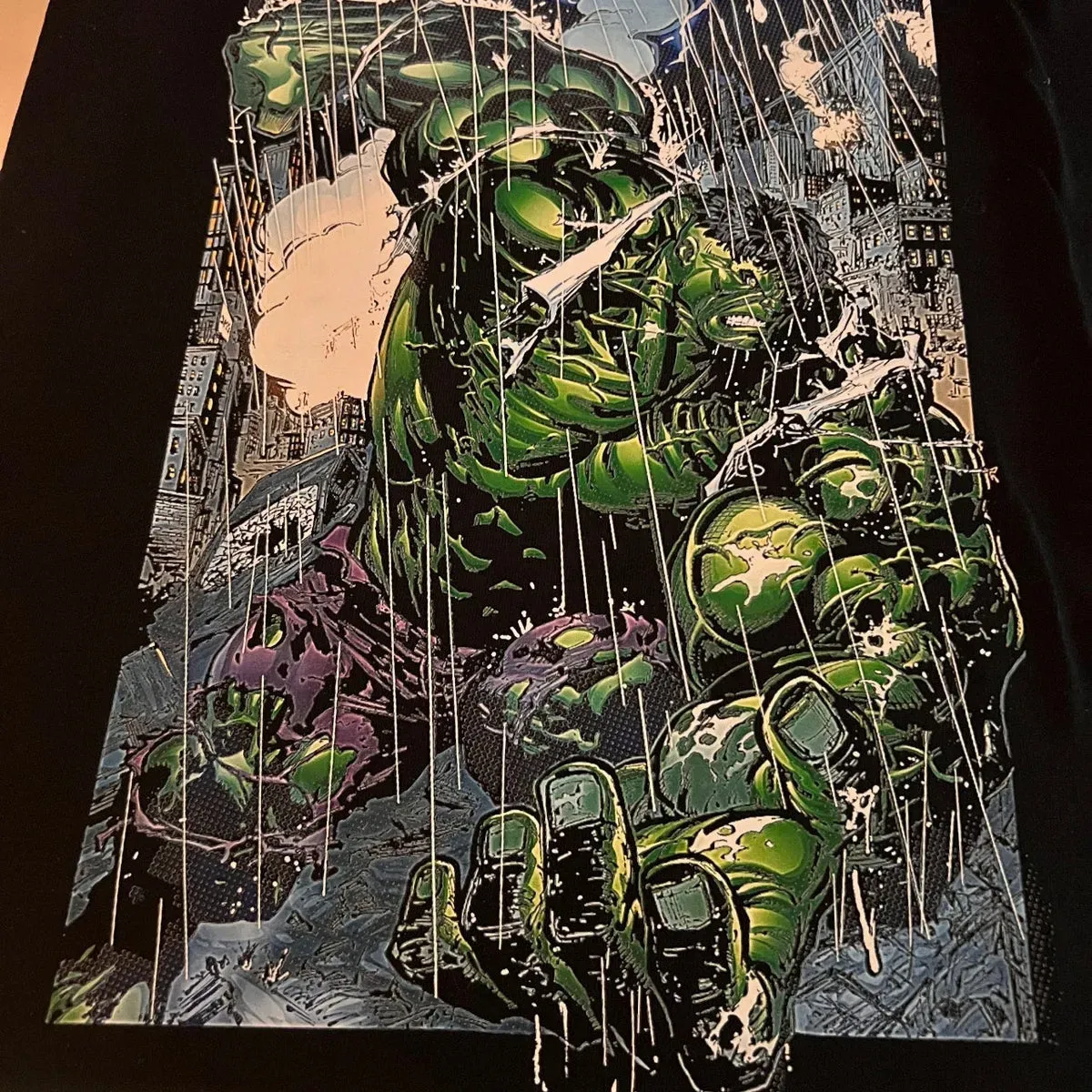
DIY DTF Transfers have revolutionized the custom garment printing landscape, offering a unique blend of quality and creativity. This innovative technique, known as Direct to Film transfers, allows enthusiasts and small business owners alike to produce striking, colorful designs on a wide range of fabrics with relative ease. By mastering the fundamentals of DTF printing techniques, you can unlock endless possibilities for personalization and customization, making your projects stand out. In this guide, we share essential heat press tips and methods to ensure your DIY DTF transfers yield professional results every time. Dive in to explore the fascinating world of DTF printing and learn how to avoid common pitfalls while achieving vibrant, detailed designs that impress.
The art of creating custom fabric designs has taken on a new dimension with Direct to Film (DTF) transfers, also referred to as film-based transfers in the industry. This approach to custom garment printing allows makers to achieve intricate patterns and vivid colors by using a specific transfer film that bonds beautifully to a variety of materials. Embracing this method can enhance your creative projects, whether you're crafting personal gifts or launching a small business selling printed apparel. When utilizing heat transfer techniques, understanding how to achieve durable and stunning results becomes essential. Join us as we explore the exciting realm of DIY film transfers, offering insights and strategies to elevate your printing game.
Getting Started with DIY DTF Transfers
Embarking on the DIY journey of DTF transfers can feel overwhelming at first, but with the right preparation and knowledge, you can set yourself up for success. The first step is to equip yourself with the necessary tools and materials, including a suitable DTF printer, high-quality transfer films, and adhesive powders. It's essential to understand that the quality of your equipment significantly affects the output of your prints. Investing in a reliable heat press with adjustable settings can make a tremendous difference in achieving well-defined, vibrant designs.
Moreover, familiarize yourself with the DTF printing process. Start by exploring the different types of DTF printers available, such as those that can be modified from conventional inkjet printers. The key is not only to invest in the right equipment but also to choose appropriate DTF inks that provide vibrant colors and lasting durability. Understanding these foundational elements will empower your creative work, ensuring you can confidently produce stunning custom garments.
Essential Equipment for DTF Printing
When it comes to DTF printing, having the right equipment is crucial for achieving impressive results. First on your list should be a DTF-compatible printer. While specialized printers are available, many users find success by modifying existing inkjet models to suit their needs. It's vital to choose a printer that can handle the required file types and print resolutions to produce clear, detailed images on transfer film.
In addition to the printer, the quality of your transfer film plays a pivotal role in ensuring successful adhesion and print clarity. High-quality transfer film will help you achieve better color saturation and prevent common issues like cracking or peeling after application. Don't overlook the importance of using the right adhesive powder, as this will bond the printed inks to the fabric during the pressing process, thus ensuring the durability of your designs.
Printing Settings for DTF Success
Setting up your printer correctly can make all the difference when it comes to DTF printing. Begin by selecting the right paper type in the printer settings specifically for DTF transfers. A higher quality setting will often yield better results, so don’t hesitate to choose the best options available. Adjusting the ink saturation can also help enhance the vibrancy of your designs, providing rich and colorful prints that stand out on any garment.
Moreover, pay attention to the resolution of your images. It’s recommended to use files with a resolution of at least 300 dpi to prevent pixelation or blurriness in your final prints. This is particularly important for intricate designs and detailed graphics. By taking the time to configure your printer settings correctly, you’ll set a strong foundation for your DTF projects and ensure professional-looking results.
Heat Press Techniques for Best Results
A heat press is a fundamental piece of equipment in the DTF transfer process, and understanding how to use it correctly is essential for achieving optimal results. Before applying your DTF transfer, it's crucial to preheat your substrate for about 5 seconds. This step will help remove any moisture and prepare the fabric for optimal adhesion. Additionally, ensure that your heat press is set at the correct temperature—typically between 320°F to 340°F. Properly calibrated heat and pressure settings are vital for ensuring that the designs adhere well without any flaws.
During the pressing stage, it’s important to press your designs for about 10 to 15 seconds, depending on your specific materials and settings. Once this is completed, peel away the transfer film while it's still warm to avoid smudging the design. Allow your prints to cool completely to solidify the bond further. Mastery of these heat press techniques will enhance the durability and appearance of your DTF transfers.
Troubleshooting Common DTF Challenges
Even with careful preparation, beginners to DIY DTF transfers may encounter some challenges. One common issue is the failure of designs to adhere properly to the fabric. Typically, this can be attributed to incorrect temperature settings or insufficient pressure during pressing. To avoid these pitfalls, it is essential to review the recommended settings for your specific heat press and adjust accordingly, ensuring a perfect bond between the transfer and substrate.
Another frequent hiccup is related to print quality. If you find your prints are fading or not vibrant enough, take a moment to assess your ink quality and printer settings. Ensure that you are using the correct color profiles and resolution settings for DTF printing. Furthermore, following the recommended washing instructions—such as cold washing and air drying—can significantly improve the longevity and appearance of your designs, allowing them to withstand numerous washes without losing quality.
Exploring Advanced DTF Techniques
Once you have mastered the basics of DIY DTF transfers, you might want to explore advanced techniques to elevate your printing craft. One such method involves layering multiple DTF transfers for more complex designs, which can create stunning visual effects on garments. This technique allows you to experiment with varying textures and colors, enabling you to differentiate your custom garments in a crowded market.
Another advanced approach could include using specialty inks or transfer films that react to UV light, allowing for added vibrancy during daytime and distinctive effects under black lights. Exploring these advanced DTF printing techniques not only enhances your creative possibilities but also helps customize your offerings, appealing to a broader range of customers and elevating your brand's presence in the custom garment printing space.
Frequently Asked Questions
What are the benefits of using DIY DTF transfers for custom garment printing?
DIY DTF transfers offer numerous benefits for custom garment printing, including versatility across various fabric types—like cotton, polyester, and blends—vibrant colors that bring your designs to life, and durability that ensures prints withstand multiple washes without fading or cracking.
What types of printers can I use for DIY DTF transfers?
For DIY DTF transfers, you can use a specialized DTF printer or modify an existing inkjet printer. Ensure to use water-based DTF inks that are compatible with your printer to achieve the best print quality for your custom designs.
What are the essential materials needed for successful DTF printing?
To successfully create DIY DTF transfers, you will need a DTF printer, water-based DTF inks, high-quality transfer film, adhesive powder, and a reliable heat press that allows for adjustable temperature and pressure settings.
How should I prepare my designs for DTF transfers?
Design preparation for DIY DTF transfers involves using graphic design software like Adobe Illustrator or CorelDRAW. Ensure your designs are in the CMYK color format and set at 300 dpi resolution to maintain clarity and avoid blurriness during the printing process.
What are the best heat press tips for applying DTF transfers?
For optimal application of DTF transfers, preheat your substrate for about 5 seconds to eliminate moisture, set the heat press to 320°F to 340°F, and apply pressure for 10 to 15 seconds. Always peel the transfer film while it’s still warm for the best results.
What common mistakes should I avoid when working with DIY DTF transfers?
Common mistakes to avoid include incorrect printer settings that can lead to poor-quality prints, inadequate adhesive powder application that may cause peeling, and improper heat press settings that can compromise the durability of your DTF designs.
| Key Point | Details |
|---|---|
| Introduction | DTF transfers are a revolutionary custom printing method, ideal for DIY and small businesses. |
| Understanding DTF Transfers | Involves printing designs on a special film for transfer onto fabrics via heat press. |
| Advantages of DTF Transfers | Versatility, vibrant colors, and durability make DTF a popular choice. |
| Equipment and Materials | Essential tools include DTF printer, inks, transfer film, adhesive powder, and heat press. |
| Preparing Your Designs | Use graphic design software and ensure correct color format and resolution. |
| Print Settings | Check paper type and quality settings for optimal printing results. |
| Applying DTF Transfers | Preheat substrate, use proper temperature settings, and care for the print post-pressing. |
| Common Mistakes | Avoid incorrect printer settings, inadequate adhesive, and heat press errors. |
| Troubleshooting Tips | Confirm temperature, pressure, and washing instructions for successful designs. |
Summary
DIY DTF Transfers provide a unique way to create vibrant and detailed prints, revolutionizing your printing experience. Understanding the intricacies of this technique is essential for success, emphasizing proper equipment, material selection, and preparation. By following the outlined tips and tricks, you can avoid common pitfalls and successfully bring your creative visions to life. Whether you are crafting for personal use or venturing into custom product sales, mastering DIY DTF Transfers allows you to showcase stunning designs that are sure to impress.