
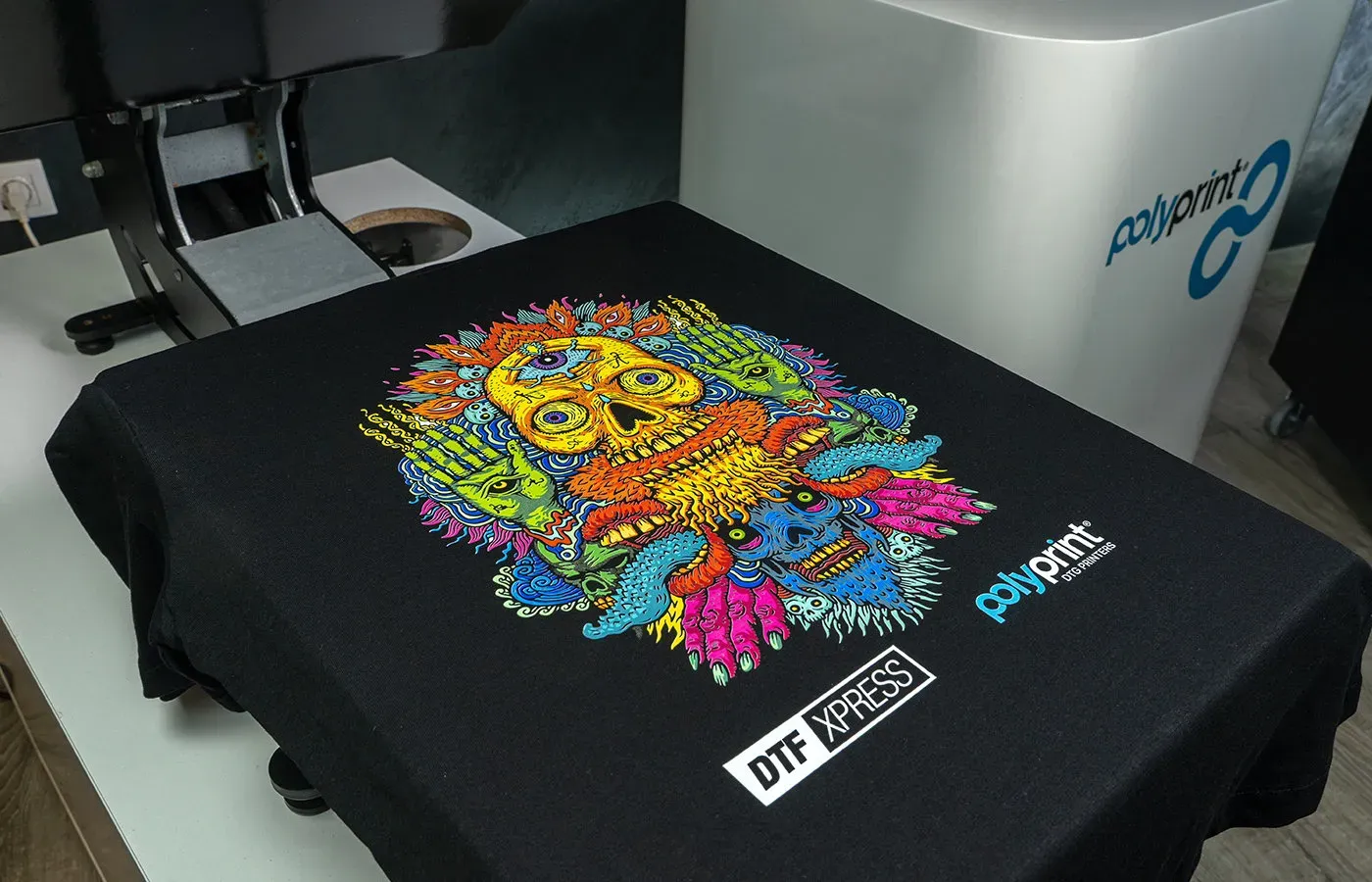
In the realm of textile design, DTF printing has emerged as a transformative technique that is revolutionizing the industry. Short for Direct-to-Film printing, this innovative method allows creators to transfer stunning custom designs onto various fabrics with exceptional ease and clarity. The advantages of DTF technology, such as its cost-effectiveness and versatility, make it an attractive option for businesses aiming to stand out in a competitive marketplace. As we explore the intricacies of DTF printing, you'll discover how it not only caters to diverse printing needs but also delivers high-quality results that satisfy both creators and consumers. Join us as we delve deeper into the benefits and applications of DTF printing and discover why it might just be the ideal choice for your custom design projects.
Also referred to as Direct-to-Film printing, this modern technique has gained immense popularity for its ability to produce vibrant, durable designs with minimal setup costs. Many entrepreneurs appreciate the flexibility that DTF printing offers, making it perfect for a wide range of applications, including apparel and merchandise. With its combination of efficiency and affordability, DTF printing is frequently chosen over traditional methods, allowing designers to create custom prints that meet the ever-evolving demands of their clientele. As we examine this innovative printing approach further, it becomes clear that its advantages extend beyond simple aesthetics, positioning DTF printing as a forward-thinking solution in the custom design landscape.
Understanding the Basics of DTF Technology
Direct-to-Film (DTF) technology has revolutionized the landscape of textile printing with its straightforward process. At its core, DTF printing involves using specialized inks that are printed onto a film, which is then heat-transferred onto fabric. This allows for a wide range of customization; from intricate designs to vibrant colors, DTF technology can accommodate various artistic expressions. The quality and precision achieved with this method are impressive, catering to the needs of both small businesses and large-scale producers.
Furthermore, DTF printing stands out as a cost-effective solution for businesses venturing into custom designs. Traditional methods such as screen printing can be prohibitively expensive due to high setup costs and a requirement for significant initial investment. In contrast, DTF simplifies the process, allowing users to print directly onto films without extensive machinery. This ease of use makes it approachable for newcomers while providing seasoned printers with flexible options for their projects.
The Advantages of DTF Printing
One of the main advantages of DTF printing is its incredible versatility that allows designers to work on an array of materials. Unlike sublimation printing, which may only be effective on specific fabrics, DTF can be applied to cotton, polyester, and blended materials. This ability to cater to different fabric types without compromising print quality is a major selling point for businesses aiming to diversify their product offerings.
In addition to fabric versatility, DTF printing is also recognized for producing vibrant designs that are durable and long-lasting. The prints adhere reliably to various substrates, and when proper techniques are utilized, they can withstand multiple washes without losing their vibrancy. This feature makes DTF not just a great choice for personal projects but also for businesses looking to satisfy clients who expect longevity in custom apparel.
Exploring the Cost-Effectiveness of DTF Printing
For entrepreneurs looking to minimize expenses while still delivering high-quality products, DTF printing presents a cost-effective approach. The reduced initial investment needed to set up DTF printers compared to traditional methods like screen printing is significant. With prices for DTF equipment steadily declining, more businesses can consider transitioning into this printing method with lower financial risk.
Moreover, as DTF printing technology continues to evolve, the cost per print becomes more favorable compared to older techniques. This affordability enables businesses to offer competitive pricing and still maintain healthy profit margins. By choosing DTF technology, startup firms, and established companies alike can fulfill large-scale orders efficiently without sacrificing quality or breaking the bank.
Environmental Considerations in DTF Technology
In recent years, sustainability has taken center stage in various industries, including custom printing. DTF printing utilizes eco-friendly, water-based inks that are significantly less harmful to the environment than traditional oil-based options. This shift towards greener practices enables businesses to not only reduce their environmental footprint but also appeal to conscious consumers who are increasingly prioritizing sustainability in their purchasing decisions.
Additionally, the DTF process minimizes material waste thanks to its efficient approach to printing. By using precision techniques, DTF printing ensures that resources are utilized effectively, enabling companies to adopt more sustainable practices. Highlighting these eco-friendly methods in marketing campaigns can resonate well with environmentally-conscious customers, giving businesses a competitive edge in the marketplace.
Potential Limitations of DTF Printing
Despite its many strengths, DTF printing is not without its challenges. Some users may experience difficulties during the adhesive application process, which can jeopardize the quality of the final product. If the adhesive powder isn't applied properly, prints may show signs of peeling or fading over time, leading to customer dissatisfaction. Therefore, it is crucial for businesses to invest in training and practice to master the intricacies of the DTF printing method.
Moreover, while DTF prints are known for their durability, they might not always match the longevity offered by sublimation or screen printing, primarily depending on the inks and substrates used. Therefore, companies need to select high-quality materials to truly harness the benefits of DTF technology and ensure that their custom designs stand the test of time. Addressing these limitations with careful planning can help avoid mishaps and enhance customer satisfaction.
Maximizing the Benefits of DTF Printing for Your Business
To fully capitalize on the advantages of DTF printing, businesses need to invest time in learning and refining their processes. Continuous education on the latest DTF technology, materials, and best practices can empower designers to produce outstanding custom designs. By developing a strong understanding of the application techniques and material compatibilities, entrepreneurs can leverage DTF printing as a unique selling proposition in a crowded market.
Furthermore, fostering a positive relationship with suppliers who can provide quality inks, films, and equipment is crucial. Being able to source high-quality materials helps ensure that the final products meet customers' expectations regarding aesthetics and durability. By establishing these connections and committing to ongoing improvement, businesses can maximize the potentials of DTF printing, leading to enhanced customer satisfaction and increased market share.
Frequently Asked Questions
What is DTF printing and how does it work?
DTF printing, or Direct-to-Film printing, is a textile printing technology that involves printing designs onto a special film before transferring them to fabric using heat and pressure. This method allows for vibrant, high-quality prints that can adhere to various materials such as cotton and polyester, making it suitable for custom designs.
What are the advantages of DTF printing over traditional methods?
DTF printing offers several advantages, including cost-effectiveness, versatility, and high-quality output. Unlike screen printing, DTF has lower setup costs and the ability to print on multiple fabric types. Additionally, DTF prints can capture intricate designs with vibrant colors, making it an appealing choice for small businesses wanting to produce custom designs.
Is DTF printing an environmentally friendly option?
Yes, DTF printing utilizes water-based inks that are more environmentally friendly compared to oil-based inks used in some traditional methods. This sustainability aspect, combined with reduced waste during the production process, makes DTF printing an appealing choice for eco-conscious businesses looking to market greener practices.
What is the cost-effectiveness of DTF technology for custom designs?
DTF technology is considered cost-effective because it has lower initial setup and equipment costs compared to methods like screen printing or sublimation. Once the initial investment is covered, the cost per print is often lower, making it ideal for businesses looking to fulfill high-volume custom design orders without excessive expenses.
What challenges might one face with DTF printing?
Some common challenges with DTF printing include potential issues with adhesive powder during transfers, which can affect print durability. Additionally, while DTF prints are generally strong, they might not always match the longevity of screen prints or sublimation, depending on the quality of inks and materials used. Mastery of the DTF technique is essential to overcome these hurdles.
Can DTF printing be used for various types of fabric?
Absolutely! One of the key benefits of DTF printing is its versatility. It can effectively print on a wide range of fabrics, including cotton, polyester, and blends. This adaptability allows designers to explore numerous custom designs across different textile applications.
| Key Point | Details |
|---|---|
| Introduction | DTF printing is gaining popularity for its versatility and cost-effectiveness in custom textile designs. |
| What is DTF Printing? | DTF printing transfers designs printed on a film to fabric using heat and pressure, suitable for a variety of textiles. |
| Quality and Versatility | DTF produces high-quality prints that rival traditional methods, suitable for various fabrics like cotton and polyester. |
| Cost-Effectiveness | DTF has lower initial costs compared to traditional techniques and a competitive cost per print for high-volume orders. |
| Environmental Considerations | Uses water-based inks and minimizes waste, appealing to eco-conscious consumers and businesses. |
| Limitations and Challenges | Challenges include mastering the adhesive application and potential longevity issues compared to other methods. |
Summary
DTF printing stands out as an innovative solution for custom design needs, especially for small businesses looking to create high-quality products at competitive prices. With its versatility, cost-effectiveness, and commitment to eco-friendly practices, DTF printing is quickly becoming a preferred choice for designers and entrepreneurs alike. However, potential challenges must be addressed to fully leverage its capabilities. As technology advances, staying informed on developments in DTF printing will keep businesses ahead of the curve in the competitive custom printing market.