
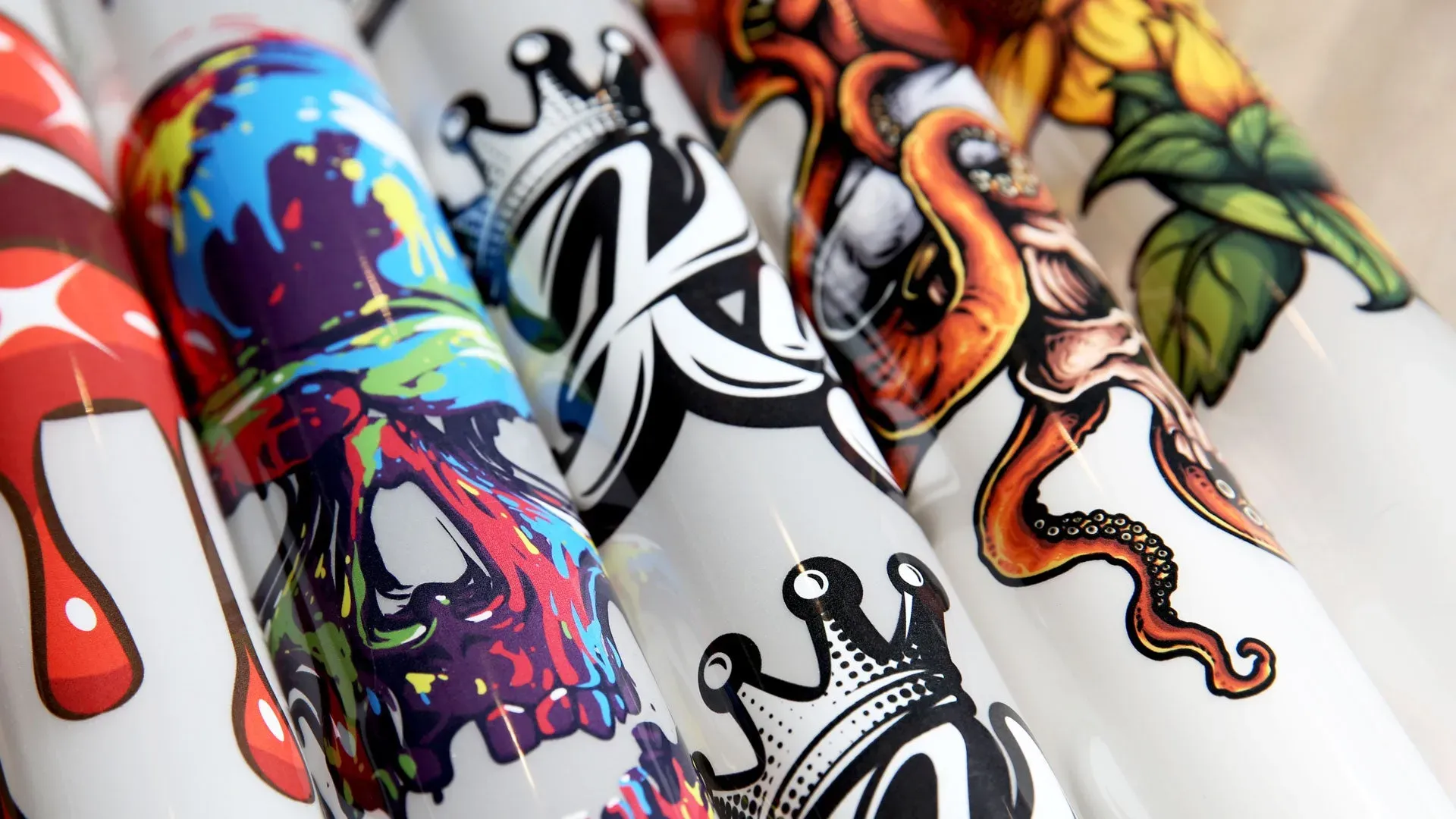
In the ever-evolving landscape of garment printing, DTF transfers, or Direct to Film printing, are revolutionizing the way designs are rendered onto fabric. This cutting-edge technique stands out for its unique benefits, especially when compared to traditional printing methods like screen printing and Direct to Garment (DTG) printing. DTF printing not only delivers high-quality outputs and impressive durability, but it also offers cost-effective solutions for businesses of all sizes. Whether you're looking for vibrant colors, intricate details, or remarkable versatility across various materials, DTF transfers have you covered. Join us as we delve deeper into the advantages of DTF transfers and discover how they can elevate your printing needs to new heights.
When discussing modern textile printing, terms like Direct to Film (DTF) printing or transfer films highlight innovative approaches that enhance production quality. This versatile printing solution is quickly becoming synonymous with efficient and detailed design applications, often yielding superior results compared to conventional alternatives. With an emphasis on affordability and longevity, DTF methods combine remarkable print technology with practical benefits that cater to contemporary market demands. From custom apparel to promotional goods, the flexibility offered by this printing process addresses diverse customer expectations and strengthens brand visibility. As we explore the landscape of printing capabilities, it's essential to consider how DTF transfers redefine possibilities in the garment industry.
Understanding DTF Transfers and Their Technology
DTF transfers, or Direct to Film transfers, represent a significant advancement in printing technology, enabling businesses to achieve high-quality prints on a wide range of fabrics. This method involves printing designs onto a special film that is then transferred onto the substrate using heat and pressure. The key to its effectiveness lies in its ability to utilize vibrant, eco-friendly inks that not only provide stunning visual results but also enhance durability compared to other traditional printing methods. As the technology evolves, it continues to facilitate the creation of intricate designs that maintain their integrity over time.
What sets DTF apart from other printing options is its unique process, which allows for the seamless application of designs to multiple fabric types, including cotton and polyester. Unlike screen printing, which often relies on stencils and can result in limited color palettes, DTF's versatility to produce complex, multi-color designs opens up new possibilities for artists and brands. This method's technological foundation positions it as a competitive choice in the ever-evolving landscape of garment printing.
Comparing DTF Printing to Screen Printing
When weighing the options for garment decoration, many businesses often find themselves comparing DTF printing to traditional screen printing methods. One of the most significant advantages of DTF is its ability to print intricate designs with detailed gradients, a feature that screen printing struggles with due to its limited color application. Screen printing can yield beautiful results but often requires substantial setup and is less adaptable to quick batch changes, making it less versatile for smaller runs or custom orders.
Moreover, DTF's user-friendly process allows for faster turnaround times, enabling businesses to cater to customer needs without lengthy production delays. In terms of cost-effectiveness, DTF printing has emerged as a far more economical choice for short runs, allowing businesses to minimize upfront investments while still delivering high-quality outputs. Overall, while both methods have their merits, DTF printing offers a compelling alternative that appeals to creativity and operational efficiency.
The Cost-Effectiveness of DTF Printing
In today's competitive marketplace, cost plays a pivotal role in decision-making for businesses seeking printing solutions. DTF printing stands out for its remarkable cost-effectiveness, particularly for small quantities. Unlike screen printing, which incurs high setup costs and requires a minimum number of prints to be financially viable, DTF allows for smaller production runs without sacrificing quality while maintaining a lower per-unit cost. This accessibility not only facilitates flexibility for startups and independent creators but also aligns with the increasing demand for custom and personalized apparel.
Additionally, DTF's capacity for bulk printing and storage enables businesses to manage inventory smartly, reducing overall production costs. Businesses can produce transfers that can be used on demand, allowing for an efficient order fulfillment process that keeps pace with customer expectations for quick delivery. This approach not only saves money but also enhances profit margins, making DTF an attractive choice for businesses of all sizes looking to maintain financial health while delivering top-notch products.
Exploring the Durability of DTF Prints
The longevity of printed designs is a crucial factor in garment printing, especially for items that undergo frequent washing and wear. DTF transfers are renowned for their durability; the inks and adhesives used in the DTF process are specifically formulated to ensure that designs remain vibrant and intact over time. Unlike traditional methods where prints may fade or peel after several washes, DTF transfers maintain their integrity, making them ideal for workwear, active apparel, and any items requiring longevity and resilience.
This durability not only translates to higher customer satisfaction and reduced return rates but also builds brand reputation, as businesses can confidently market their products knowing they will withstand the test of time. As customers increasingly seek value in their purchases, the strength of DTF prints positions them as a premium option in the garment printing industry, appealing to businesses focused on quality and customer retention.
Environmental Benefits of DTF Printing
As the fashion industry becomes increasingly aware of its environmental footprint, choosing sustainable printing methods has taken center stage. DTF printing often utilizes water-based inks that minimize harmful chemical exposure, reducing environmental impact compared to traditional printing methods that may rely on toxic substances. This eco-friendly approach not only aligns with consumer demand for greener practices but also positions businesses favorably in an increasingly eco-conscious market.
By adopting DTF transfers, brands can showcase their commitment to sustainability while producing high-quality products that resonate with modern consumers. As awareness grows and the eco-friendly trend continues, prioritizing sustainable printing practices through DTF can enhance brand image and loyalty, proving that profitability and environmental responsibility can go hand in hand.
The Speed and Efficiency of DTF Printing
In the fast-paced world of fashion and apparel, the ability to quickly fulfill orders is critical for maintaining competitive advantage. DTF printing excels in this area, offering significantly faster turnaround times compared to traditional methods like screen printing and embroidery. This speed not only allows businesses to keep up with rapidly changing fashion trends but also enables them to respond promptly to customer demands, ultimately enhancing customer satisfaction and fostering brand loyalty.
Furthermore, the streamlined DTF printing process minimizes the complexities involved in production. By reducing setup times and eliminating the need for intricate setups typical of screen printing, businesses can optimize their workflows and improve overall operational efficiency. This ability to deliver high-quality prints with reduced lead times is essential for thriving in today's market, making DTF an ideal choice for businesses striving for both speed and quality.
Frequently Asked Questions
What are the benefits of DTF Transfers compared to traditional methods?
DTF Transfers offer several benefits over traditional methods like screen printing and DTG printing. Key advantages include superior print quality with vibrant colors and intricate details, versatility across various fabric types, and cost-effectiveness for small to medium runs. Additionally, DTF prints are durable, fade-resistant, and can be produced more quickly, making them ideal for businesses seeking efficient and high-quality printing solutions.
How does DTF printing compare to screen printing?
DTF printing outperforms screen printing in several ways. Unlike screen printing, which is limited by stencil color options, DTF allows for multi-color designs and detailed graphics. Additionally, DTF is more versatile in terms of fabric compatibility and offers faster production times, making it a more efficient and cost-effective option for businesses.
Are DTF Transfers a cost-effective printing method?
Yes, DTF Transfers are considered a cost-effective printing method, especially for small runs. With lower setup costs compared to screen printing and the ability to produce prints in bulk without significant upfront expenses, DTF is an appealing option for startups and small businesses aiming to keep production costs down while maintaining quality.
What is the durability of DTF prints like?
DTF prints are known for their remarkable durability. The inks and adhesives used in the DTF process make the prints resistant to fading, cracking, and peeling, ensuring they maintain their appearance even after multiple washes. This durability makes DTF Transfers suitable for items that undergo frequent wear, such as sports apparel and work uniforms.
Can DTF Transfers be printed on various fabric types?
Yes, one of the key benefits of DTF Transfers is their versatility. They can be applied to a wide range of materials, including cotton, polyester, nylon, and blends. This flexibility allows businesses to cater to a variety of customer needs and create custom prints on different items without being limited by fabric types.
How does DTF printing support environmentally friendly practices?
DTF printing can support environmentally friendly practices by using eco-friendly, water-based inks that have a lower environmental impact compared to traditional methods that often rely on harmful chemicals. This commitment to sustainability not only satisfies eco-conscious consumers but also helps businesses enhance their brand reputation in a competitive market.
| Key Benefits of DTF Transfers | Details | Advantages Over Other Methods |
|---|---|---|
| High Quality and Detail | Produces high-resolution graphics, vibrant colors, and intricate designs, achieving photorealistic outputs. | |
| Versatile Application | Can be used on various materials (cotton, polyester, nylon, blends) and a range of items. | |
| Cost-Effective | Lower setup costs, ideal for small runs, reduced material costs, and quick turnaround. | |
| Durability | Resistant to fading, cracking, and peeling, ensuring longevity of designs even after washing. | |
| Environmental Considerations | Lower environmental impact with water-based inks and sustainable practices. | |
| Speed and Efficiency | Faster than screen printing and embroidery, leading to improved customer satisfaction. | |
| Ease of Use | Simplified setup for quick production, easier training for employees. | |
| Customization | Offers low minimum order quantities, perfect for personalized and unique designs. |
Summary
DTF Transfers are revolutionizing the garment printing industry with their exceptional benefits over traditional methods. Featuring unmatched quality and detail, DTF transfers produce vibrant, multi-colored designs that stand out on various fabrics. Their versatility allows printing on a wide range of materials, accommodating diverse customer needs. Cost-effectiveness is another significant advantage, making DTF suitable for small runs with minimal setup costs. Furthermore, the durability of DTF prints ensures that designs remain intact through multiple washes. In an era where environmental sustainability is crucial, DTF printing employs eco-friendly inks, making it a responsible choice for conscious consumers. The speed and efficiency of DTF processes streamline operations, allowing businesses to keep up with fast fashion demands. Additionally, DTF enables greater customization at lower quantities, catering to the rising trend of personalized items. By choosing DTF Transfers, businesses not only enhance their production capabilities but also align with consumer preferences, ensuring lasting impressions in a competitive market.