
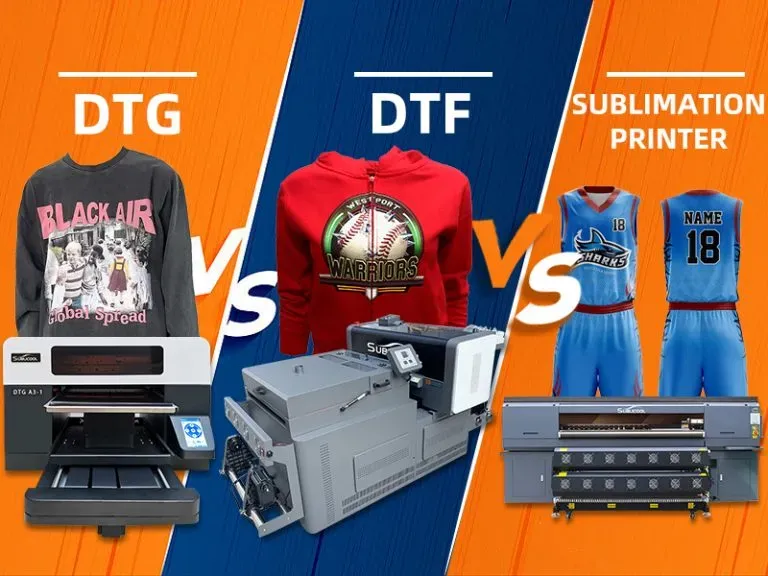
When it comes to custom garment printing, the debate between DTF vs DTG has gained significant traction among businesses and creators alike. Both Direct-to-Film (DTF) and Direct-to-Garment (DTG) printing represent modern advancements in printing technology, each with its own unique features and benefits. Understanding the DTF vs DTG differences is essential for anyone looking to leverage these printing methods effectively for high-quality apparel. In this article, we will conduct a thorough printing technology comparison that highlights the processes, costs, and applications of both options. By exploring these distinctions, businesses can make informed choices tailored to their production needs and budget, ensuring the best results for their custom creations.
In the realm of custom apparel production, the choice between Direct-to-Film (DTF) and Direct-to-Garment (DTG) printing has become increasingly relevant for brands and designers seeking high-quality results. These innovative techniques, each representing distinct printing methodologies, offer various advantages depending on the nature of the project. DTF, often recognized for its flexibility across different materials, contrasts sharply with the detailed resolve that DTG provides to garment printing. As we embark on this exploration, we will dissect the printing processes, quality outcomes, and costs associated with each method. Understanding these factors can empower businesses to align their printing methods with their creative aspirations and operational requirements.
DTF vs DTG: A Comprehensive Overview
When it comes to custom garment printing, the distinction between DTF (Direct-to-Film) and DTG (Direct-to-Garment) printing can play a crucial role in determining the right technology for your business. DTF printing is a method where designs are first printed onto a film which is then heat transferred onto fabric, making it particularly versatile for various material types including synthetics. On the other hand, DTG printing utilizes specialized inkjet technologies to directly apply water-based inks onto garments, renowned for its ability to produce highly detailed and vibrant designs, particularly on natural fibers like cotton.
Both DTF and DTG have their unique strengths that cater to different requirements in the custom apparel market. DTF has gained popularity for its cost-effectiveness and durability, particularly for bulk printing jobs, while DTG is preferred for small runs where intricate designs and color vibrancy take precedence. Understanding these differences can empower entrepreneurs and artists to choose the most suitable method that aligns with their specific needs and business goals.
Understanding DTF Printing Advantages
DTF printing has quickly become a favored choice among screen printers and other custom apparel businesses for several reasons. Firstly, the printing process itself allows for designs to be printed on a film that can be transferred onto various fabrics, from cotton to polyester blends. The resulting prints are known for their durability due to the hot-melt adhesive used, providing a strong bond that withstands multiple washes without cracking or fading. This capability is especially important for businesses looking to produce long-lasting apparel products.
Moreover, the affordability of DTF printing equipment and materials presents a significant advantage for small businesses and startups in the garment industry. Unlike the more complex and costly setups needed for DTG printing, DTF systems are generally simpler to operate and maintain. This accessibility allows new entrants to the market to offer high-quality custom prints without the burden of large initial investments, fueling their growth in the competitive landscape.
Exploring DTG Printing Strengths
DTG printing shines in its ability to produce exceptional quality prints with a soft hand feel that customers appreciate. The process uses water-based inks that penetrate the fabric, providing a vibrant finish that resembles a natural part of the garment rather than sitting on top. This capability makes DTG the preferred choice for intricate designs and fine details, which are often sought after in fashion and artistic apparel.
Additionally, the eco-friendly nature of water-based inks used in DTG printing aligns well with the growing consumer demand for sustainable products. Many DTG printers now come with advanced features that enhance efficiency and streamline the printing process, making it easier for businesses to manage their workflow without compromising on quality. This focus on quality and sustainability makes DTG printing an attractive option for brands looking to establish themselves in a socially conscious market.
Key Factors in DTF vs DTG Comparison
When comparing DTF vs DTG, one of the primary considerations is the printing process itself. DTF printing uses a transfer film that allows for greater flexibility in fabric choice, whereas DTG printing is primarily suited for cotton-based materials. This means businesses focusing on a specific market segment must assess their target audience's preferences and fabric requirements when choosing between the two. Additionally, DTF's compatibility with synthetic fabrics gives it an edge in certain applications where material versatility is crucial.
Cost factors also play a pivotal role in deciding between these two technologies. While DTG printers tend to be more expensive and require supplementary maintenance costs, DTF printers are typically more accessible, making them an appealing choice for smaller businesses or those just entering the garment printing market. Thus, companies must evaluate their budget constraints against their expected printing volume and desired print quality to make an informed decision.
Common Applications for DTF and DTG Printing
Both DTF and DTG printing methods cater to a variety of applications within the custom garment industry. DTF printing is particularly well-suited for bulk orders where consistency across prints is paramount, often used for promotional merchandise, team uniforms, and apparel decorated with logos or slogans. Its durability makes it a go-to choice for products that will see heavy use and require longevity.
Conversely, DTG printing is ideal for one-off custom orders or short-run jobs, where customers typically seek unique designs or personalized items. This has made DTG printing popular among artists and designers aiming to create limited-edition collections or custom gifts. The ability to produce high-quality, intricate prints on-demand aligns with the growing consumer trend of personalization, allowing businesses to cater to niche markets effectively.
The Future of DTF and DTG Technologies
As printing technologies advance, both DTF and DTG are evolving to meet the demands of modern businesses and consumers. Innovations in DTF include improvements in speed, print quality, and sustainability, making it an increasingly competitive option against traditional methods. Recently launched DTF printers and production software are simplifying workflows and enhancing productivity, allowing businesses to scale without significant operational hurdles.
Similarly, DTG technology is witnessing enhancements that expand its capabilities, including the introduction of faster printers with more refined ink formulations that improve color accuracy and durability. As the market for custom garment printing continues to grow, staying abreast of these developments will ensure businesses can adapt to changing consumer preferences and maintain a competitive edge. Understanding the evolving landscape of DTF and DTG can help businesses align their strategies to leverage the strengths of each technology effectively.
Frequently Asked Questions
What are the main differences between DTF printing and DTG printing?
The primary differences between DTF (Direct-to-Film) and DTG (Direct-to-Garment) printing lie in their processes and suitability for various fabrics. DTF prints designs on a film which is heat transferred onto fabric, making it versatile for different material types, including synthetics. In contrast, DTG directly applies water-based inks to the fabric, resulting in vibrant colors but primarily on cotton. Additionally, DTF often offers better durability due to its hot-melt adhesive process, whereas DTG is preferred for detailed, intricate designs.
Is DTF printing more cost-effective than DTG printing?
Yes, DTF printing is generally considered more cost-effective compared to DTG printing. The initial equipment and material costs for DTF tend to be lower, making it an attractive option for small businesses or those new to custom garment printing. DTG printers usually require a higher financial investment and ongoing maintenance costs, which can be a barrier for entry for some users.
Which printing technology is better for intricate designs, DTF or DTG?
For intricate designs, DTG (Direct-to-Garment) printing is often the better choice. DTG technology allows for detailed, colorful prints with a soft feel, as the water-based inks absorb into the fabric. This makes DTG ideal for custom garments that require high detail and complexity, while DTF may not match the same level of detail due to its transfer film process.
What types of fabrics are suitable for DTF vs DTG printing?
DTF printing is compatible with a broader variety of fabrics, including cotton, polyester, and blends, making it versatile for different material types. DTG printing, on the other hand, works best on 100% cotton or cotton blends, as the water-based inks perform optimally on these materials. Therefore, if you need to print on synthetic fabrics, DTF is typically the recommended option.
How does the durability of DTF printing compare to DTG printing?
DTF prints are known for their durability, thanks to the hot-melt adhesive used in the transfer process, which helps resist cracking and fading even after multiple washes. In contrast, while DTG prints provide vibrant colors and detail, they can be less durable depending on the care taken after printing. Poor maintenance of DTG garments could lead to wear and decreased print longevity.
Can DTF and DTG printing technologies be used for bulk orders?
Yes, both DTF and DTG printing technologies can accommodate bulk orders, but they serve different needs. DTF printing is increasingly popular for bulk ordering due to its efficiency across various materials and consistent output quality. DTG printing is better suited for custom orders, particularly if each piece is unique, as it allows for individualized prints. Therefore, your choice between DTF and DTG for bulk orders should be based on the uniformity of your design needs.
| Aspect | DTF (Direct-to-Film) | DTG (Direct-to-Garment) |
|---|---|---|
| Definition | Prints designs onto a film, then heat transfers onto fabric. | Uses specialized inkjet printers to apply ink directly onto garments. |
| Printing Process | Involves printing on transfer film, suitable for various materials. | Applies water-based inks directly to fabric, best for cotton. |
| Material Compatibility | Compatible with a wider range of fabrics (polyester, blends). | Primarily suited for cotton fabrics. |
| Durability | More resilient prints, resistant to cracking. | Softer feel but may be less durable depending on care. |
| Initial Investment | Generally lower equipment and material costs. | Higher upfront costs and maintenance expenses. |
| Best Use Case | Ideal for bulk orders with similar designs. | Great for custom, short-run prints with unique designs. |
Summary
DTF vs DTG are two prominent printing technologies that cater to different needs in the custom apparel market. Understanding the distinctions between these methods is crucial for anyone looking to optimize their printing processes. DTF printing excels in versatility and cost-effectiveness, making it suitable for a wide range of fabrics and bulk production. In contrast, DTG printing stands out for its ability to produce high-quality, intricate designs but often comes with higher operational costs. Ultimately, choosing between DTF and DTG will depend on your specific requirements, including fabric type, budget, and design complexity.