
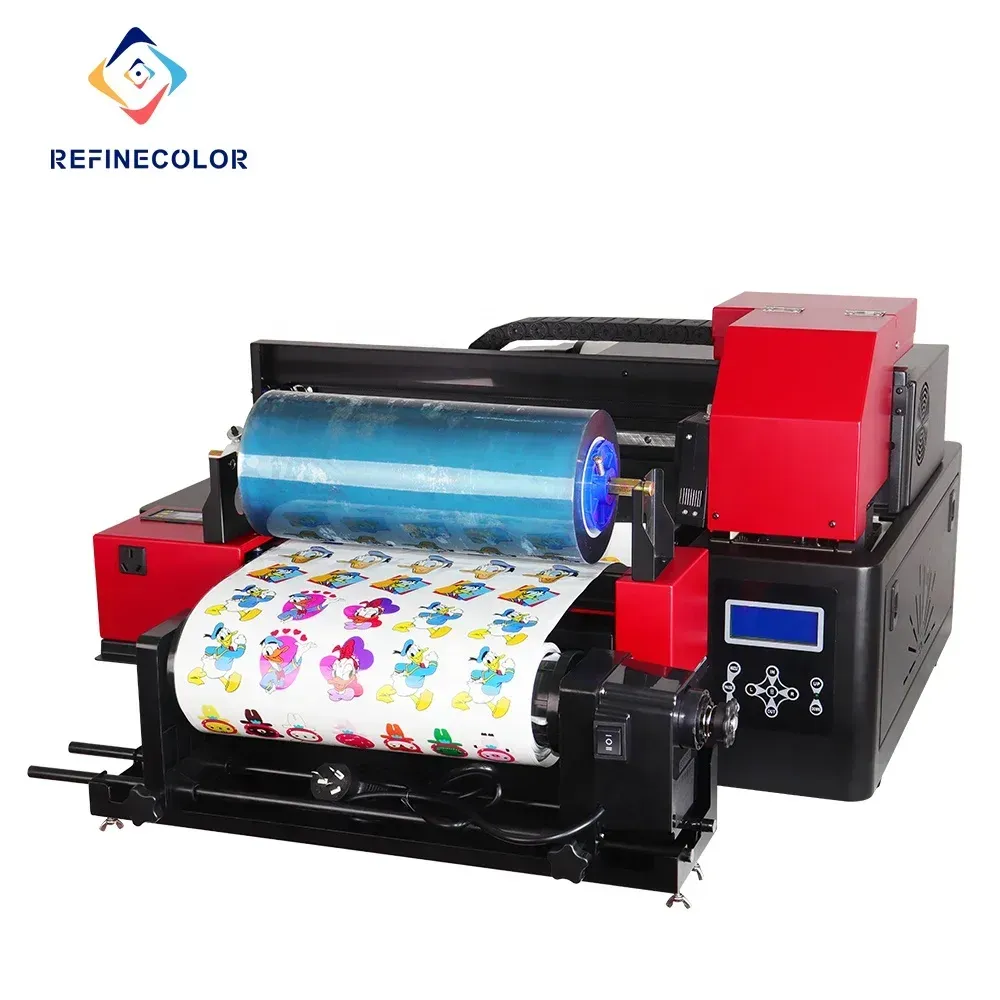
The UV DTF printer has revolutionized the world of digital printing, offering remarkable versatility and quality for various applications. With the ability to produce stunning prints on materials ranging from fabrics to plastics, selecting the best UV DTF printer for your specific needs is essential for achieving professional results. As more businesses seek high-quality UV DTF printing solutions, knowing how to choose the right model becomes paramount. This guide will provide you with crucial insights and tips, including a comprehensive overview of UV DTF printer reviews and recommendations on where to buy UV DTF printer options. Let’s dive into the intricate world of UV DTF technology and discover how it can elevate your printing projects to the next level.
In the rapidly evolving landscape of digital printing, understanding the nuances of direct-to-film technology is crucial for businesses aiming to enhance their offerings. A UV direct-to-film printer is designed to provide high-resolution prints on an array of substrates, making it a sought-after tool in print shops and studios. By exploring the benefits of using these advanced printers, you can evaluate which models best fit your operational requirements. This guide will cover essential aspects like print quality, material compatibility, and user-friendliness, helping you make an informed choice that aligns with your printing ambitions. Whether you are new to UV printing or looking to upgrade your existing equipment, knowing how to navigate your options can lead you to finding the right machine.
Understanding UV DTF Printing Technology
UV DTF printing technology represents a breakthrough in the world of digital printing, utilizing UV light to cure inks as they are applied to various surfaces. This curing process not only ensures vibrant colors and sharp images but also produces prints that are resistant to scratching and fading. Understanding how this technology functions is crucial for any business seeking to stay competitive in the printing industry, as it combines quality and durability in ways that traditional printing methods cannot.
One of the standout features of UV DTF printing is its versatility; it can print on a plethora of materials, ranging from textiles and hard plastics to wood and metals. This capability allows businesses to cater to diverse customer needs and expand their product offerings without the need for multiple specialized printers. As a result, investing in a UV DTF printer signifies a strategic decision aimed at enhancing service diversity and operational efficiency.
Key Benefits of UV DTF Printers
Investing in a UV DTF printer offers several benefits that can significantly impact a business’s operational capabilities. First, the high-quality output made possible by this printing technology can attract more customers and lead to increased sales. Business owners can produce intricate designs with clarity and detail that help set them apart from competitors who may still rely on outdated printing solutions.
Moreover, the durability of UV DTF prints adds another layer of appeal. Unlike traditional inkjet prints, which can easily smudge or fade over time, UV-cured prints boast outstanding resilience against environmental factors. This longevity can enhance customer satisfaction and reduce the need for reprints, thus saving money and time, reinforcing the importance of careful considerations when selecting the best UV DTF printer.
How to Choose the Best UV DTF Printer
When assessing which UV DTF printer best fits your needs, it’s crucial to delve into the various specifications and features that differentiate these devices. Opt for a printer that offers a high DPI setting to ensure that your colors come to life and deliver crisp images. Models capable of achieving at least 1200 x 1200 DPI will be better suited for producing professional-grade prints, essential for drawing in and retaining clientele.
Additionally, evaluating the speed at which a printer operates is fundamental, especially for businesses with high-demand environments. A printer that can handle larger volumes without compromising quality can significantly enhance productivity, allowing you to better serve your clients and potentially increase your bottom line. Therefore, knowing how to choose a UV DTF printer based on DPI and printing speed is vital.
Material Compatibility in UV DTF Printing
One of the major attractions of UV DTF printing is its ability to print on an extensive range of materials. Understanding material compatibility is crucial for any business that plans on offering assorted products. Quality UV DTF printers can work seamlessly on surfaces such as textiles, metals, plastics, and more, allowing businesses to expand their service offerings, whether for promotional merchandise, custom apparel, or personalized gifts.
Additionally, ensuring that your UV DTF printer can handle different material types without compromising print quality or adversely affecting the substrate is essential. Conducting thorough market research to find models that excel in versatility can help achieve better results and unlock new revenue streams that cater to emerging trends or unique customer demands.
The Importance of Ink Quality in UV DTF Printers
When selecting a UV DTF printer, one should pay keen attention to the types of ink the model uses, as they play a pivotal role in print quality and overall cost-efficiency. UV-curable inks are known for their exceptional adhesion and durability, but businesses must also consider their pricing structure. Choosing models that can utilize cost-effective and reliable ink sources will significantly impact the long-term profitability of your printing operations.
Clear understanding and evaluation of ink types contribute to maximizing print quality and ensuring consistency across different batches. The right inks will not only enhance the visual appeal of your prints but also ensure they withstand the test of time. Each type of ink brings its own performance characteristics; therefore, it is wise to factor in these elements when deciding which UV DTF printer to purchase.
Assessing Support and Warranty for Your UV DTF Printer
Before finalizing your purchase of a UV DTF printer, it is crucial to investigate the manufacturer's support options and warranty policies. Reliable customer support can alleviate significant headaches, especially when troubleshooting technical issues that may arise during operation. Checking user reviews and testimonials regarding experiences with customer service can shed light on how responsive and helpful a manufacturer has been in the past.
In addition to support, evaluating the length and inclusivity of the warranty can provide peace of mind for your investment. A robust warranty that covers major components can save businesses from potential financial loss due to unforeseen repair costs. Therefore, it is important to balance price with warranty offerings to ensure you are not only choosing a high-quality UV DTF printer but also a brand that will stand firmly behind its product.
Frequently Asked Questions
What should I consider when choosing the best UV DTF printer for my business?
When selecting the best UV DTF printer, you should evaluate several key factors: print quality and resolution (aim for at least 1200 x 1200 DPI), printing speed (to meet high-volume demands), material compatibility (ensure it supports various substrates), ink types and costs (for cost-effective operations), printer size (to fit your workspace), user-friendly interface, and the manufacturer’s support and warranty options.
How does UV DTF printing technology work?
UV DTF printing technology uses ultraviolet light to cure ink as it's printed, resulting in quick drying times and high-resolution prints. This method allows for vibrant images on numerous materials, including textiles, plastics, and metals, making it a versatile choice for various printing projects.
Where can I find UV DTF printer reviews to help my decision?
You can find comprehensive UV DTF printer reviews on print industry blogs, forums, and websites like Print Media Centr and Printing Impressions. These resources often provide detailed comparisons, customer experiences, and expert opinions to inform your purchase decision.
What is the average cost of a UV DTF printer?
The cost of a UV DTF printer can vary significantly depending on the model and features, typically ranging from a few thousand to tens of thousands of dollars. Ensure to balance the price with the printer's capabilities, print quality, and operational efficiency to find the best value.
Can UV DTF printers print on different materials?
Yes, UV DTF printers are designed to be compatible with a wide range of materials, such as textiles, wood, leather, plastics, and metal. This versatility allows users to expand their service offerings and cater to various customer needs effectively.
What types of ink do UV DTF printers use, and how do they impact costs?
UV DTF printers primarily use UV-curable inks, which cure quickly when exposed to UV light. While these inks may have a higher initial cost, they often offer better durability and performance, potentially lowering long-term production costs and increasing profit margins.
| Consideration | Details |
|---|---|
| Print Quality and Resolution | Look for printers with high DPI (at least 1200 x 1200) for vibrant colors and professional-quality prints. |
| Speed of Printing | Choose a printer that can print significant volumes per hour to meet high customer demand. |
| Material Compatibility | Ensure handling a variety of substrates like textiles, plastics, and metals to broaden service offerings. |
| Ink Types and Cost | Evaluate the cost and performance of inks to determine long-term profitability. |
| Printer Size and Footprint | Consider space availability for the printer, ensuring it fits comfortably in your production area. |
| User-Friendly Interface | Select models with intuitive software and accessibility features for ease of use. |
| Support and Warranty | Check the manufacturer's support options and warranty to ensure reliable assistance. |
Summary
The UV DTF printer is an essential tool for businesses looking to elevate their printing capabilities. By understanding factors like print quality, speed, and material compatibility, users can make informed decisions to find the perfect match for their operational needs. Investing in the right UV DTF printer not only enhances output quality but also expands service offerings, paving the way for future growth in the competitive printing market.