
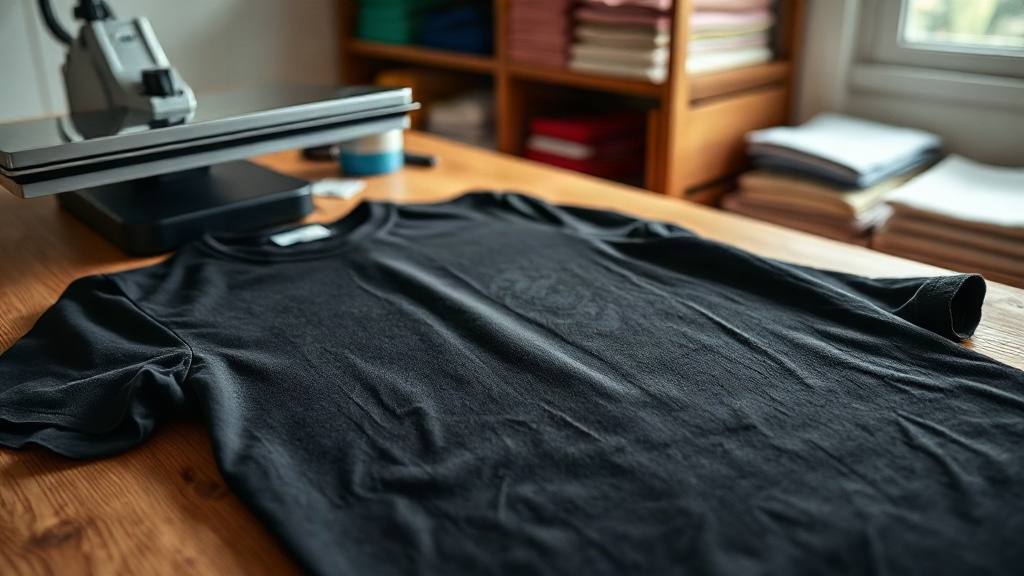
If you've spent any time in the custom apparel world, you've likely heard of Shaka Wear. This brand has become a staple for streetwear enthusiasts and print shops alike, thanks to its heavyweight fabrics and relaxed fits. But what makes Shaka Wear particularly well-suited for DTF printing? In this guide, we'll explore the ins and outs of using Shaka Wear blanks with DTF transfers, from choosing the right garment to nailing your heat press settings. Whether you're a seasoned pro or just starting out, you'll find practical tips to elevate your custom clothing game.
Why Shaka Wear Stands Out in the Custom Apparel Market
Shaka Wear has carved a niche for itself by focusing on quality and consistency. Their t-shirts, hoodies, and crewnecks are made from 100% cotton or cotton-poly blends, often in heavier weights like 6.0 oz or more. This heft gives garments a premium feel and excellent durability, which is crucial when you're applying DTF transfers. Unlike flimsy fast-fashion tees, Shaka Wear pieces hold their shape wash after wash, and the tight knit provides a smooth canvas for vibrant prints.
Another reason Shaka Wear is a go-to for DTF printing is its color range. From classic black and white to trendy earth tones, the brand offers a palette that appeals to modern consumers. Plus, many of their styles are unisex and come in extended sizes, making them inclusive for a wide audience. When you combine these factors with the fact that Shaka Wear is relatively affordable, it's easy to see why print shops stock up on these blanks.
Understanding DTF Printing: A Quick Primer
Direct-to-film (DTF) printing has revolutionized the custom apparel industry. Unlike DTG or screen printing, DTF involves printing your design onto a special film, coating it with adhesive powder, and then heat-pressing it onto the fabric. This method works on a variety of materials, including cotton, polyester, and blends, and produces bright, detailed prints that stretch with the garment. DTF is especially popular for small businesses because it eliminates the need for minimum orders and allows for full-color designs without setup costs.
But not all fabrics are created equal when it comes to DTF. The surface texture, fiber content, and color of the garment all affect the final result. That's where Shaka Wear shines: its fabrics are tightly woven and often pre-shrunk, providing an ideal surface for DTF transfers to adhere properly and look their best.
Choosing the Right Shaka Wear Garment for DTF
Not all Shaka Wear styles are the same, and your choice of garment will impact your DTF printing success. Here's what to consider:
- Fabric content: 100% cotton tees like the Shaka Wear SHASS01 offer a classic look and feel. Cotton takes DTF well, but it can be prone to slight fading over time. Cotton-poly blends, such as the Shaka Wear SHMHSS, combine the comfort of cotton with the durability of polyester, and they tend to hold DTF prints exceptionally well.
- Fabric weight: Heavier fabrics (6.0 oz and up) provide a more substantial base that won't bunch or wrinkle during pressing. They also drape better and feel more premium.
- Color: DTF prints are opaque, so they show up well on both light and dark garments. However, on very dark colors, a white underbase is automatically included in the print, which can make the design slightly thicker. Shaka Wear's dark hues are deep and rich, so your prints will pop.
- Style: From classic crewnecks to trendy oversized tees, Shaka Wear has a style for every audience. Consider your target market and choose accordingly.
Preparing Shaka Wear Garments for DTF Application
Proper preparation is key to a long-lasting DTF print. Start by pre-pressing the garment for a few seconds to remove moisture and wrinkles. This step is often overlooked, but it can make a big difference, especially with Shaka Wear's heavier fabrics. Set your heat press to the recommended temperature for DTF (usually around 300-325°F) and give the shirt a quick press with firm pressure. This creates a flat, dry surface for the transfer.
While Shaka Wear tees are generally pre-shrunk, it's still a good idea to wash and dry them before printing if you're concerned about shrinkage. However, many printers prefer to press directly onto new garments to avoid any potential contamination from fabric softeners or detergents. If you do wash them, skip the fabric softener, as it can leave a residue that prevents the adhesive from bonding properly.
DTF Heat Press Settings for Shaka Wear
Getting the heat press settings right is crucial for DTF printing on Shaka Wear. Here are starting points, but always test with your specific equipment:
- Temperature: 300-325°F (150-160°C). For cotton-poly blends, aim for the lower end to avoid scorching.
- Pressure: Medium to firm. You want the transfer to make full contact with the fabric without squashing the fibers.
- Time: 10-15 seconds for the initial press, then 5-10 seconds for the second press after peeling the film (hot peel is common for DTF).
- Peel: Most DTF films are hot peel, meaning you remove the film immediately after pressing while it's still hot. Check your film's instructions.
After pressing, do a stretch test: gently pull the design. If it cracks or lifts, you may need to adjust temperature, pressure, or time. With Shaka Wear, you'll often find that a slightly longer press at a moderate temperature yields the best results.
Common Challenges and How to Overcome Them
Even with the best garments, DTF printing can present challenges. Here are a few issues you might encounter with Shaka Wear and how to troubleshoot:
- Print not adhering: This usually means insufficient pressure, temperature, or time. Increase one variable at a time and retest.
- Design cracking: Cracking often occurs if the print is over-pressed or if the garment stretches too much. Ensure you're using the correct settings and consider a stretchier DTF film.
- Color fading: If the print fades after washing, it might be due to improper curing. Make sure you press long enough for the adhesive to fully melt and bond.
- Film difficult to peel: If the film doesn't peel cleanly, it may be too hot or too cold. Experiment with different peel temperatures.
Remember, Shaka Wear fabrics are durable, but they still require proper handling. Always follow the DTF film manufacturer's recommendations and adjust for your specific press.
Design Tips for DTF Printing on Shaka Wear
To make your Shaka Wear creations stand out, consider these design tips:
- Use high-resolution images: DTF printing can reproduce fine details, so start with at least 300 DPI.
- Add a white underbase: For dark garments, a white underbase is essential for vibrant colors. Most DTF software does this automatically, but double-check.
- Consider the fabric color: If you're printing on a light garment, you can skip the white underbase for a softer feel. On dark Shaka Wear tees, the underbase ensures your design pops.
- Test different sizes: DTF transfers come in various sizes. For a standard chest print, 8-10 inches wide is typical. For back prints, go larger.
And don't forget: Shaka Wear's relaxed fits pair well with bold, oversized graphics. Think streetwear aesthetics with large logos or intricate illustrations.
Aftercare: Making Your DTF Prints Last
Once you've pressed your DTF design onto a Shaka Wear garment, proper aftercare will ensure it looks great for years. Here's what to tell your customers:
- Wait 24 hours before the first wash to allow the adhesive to fully cure.
- Turn the garment inside out before washing.
- Use cold water and a gentle cycle.
- Avoid fabric softeners and bleach.
- Tumble dry on low or hang dry.
- If ironing is needed, do not iron directly on the print. Use a pressing cloth or iron inside out.
These simple steps will keep the DTF print flexible and vibrant, even on Shaka Wear's heavier fabrics.
Frequently Asked Questions
Can I use DTF printing on all Shaka Wear fabrics?
Yes, DTF works on cotton, polyester, and blends. Shaka Wear offers all these options, so you can choose the fabric that best suits your design and customer preferences. Just adjust your heat press settings accordingly.
What heat press settings work best for Shaka Wear t-shirts?
Start with 300-325°F, medium-firm pressure, and 10-15 seconds. For cotton-poly blends, use the lower end of the temperature range. Always test with a scrap piece to dial in the perfect settings for your press.
How do I prevent the DTF print from cracking on Shaka Wear hoodies?
Cracking can occur if the print is over-stretched or under-pressed. Use adequate pressure and time, and consider using a stretchable DTF film. Also, avoid over-stretching the garment when wearing or removing it.
Is Shaka Wear good for DTF printing compared to other brands?
Absolutely. Shaka Wear's tight-knit, heavyweight fabrics provide an excellent surface for DTF transfers, often yielding better results than thinner, looser knits. Plus, their consistent quality means you can rely on them for repeat orders.
How long will a DTF print last on Shaka Wear apparel?
With proper application and care, a DTF print on Shaka Wear can last as long as the garment itself. Following our aftercare tips will help prevent fading, cracking, and peeling.