
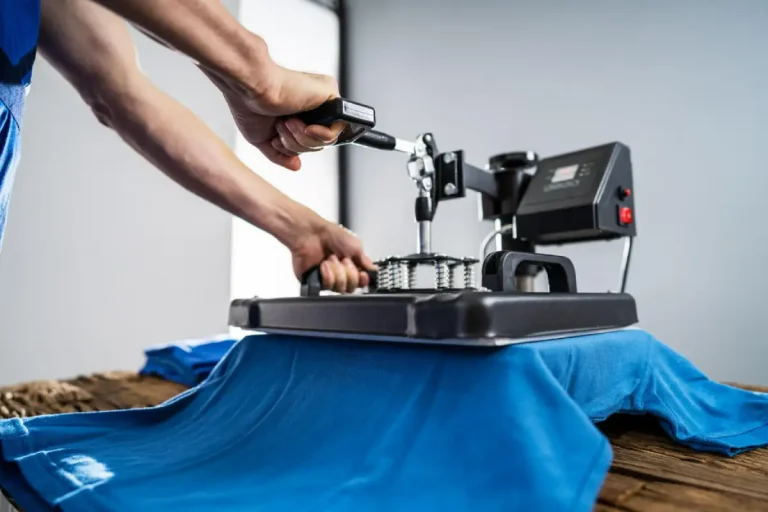
In the high-stakes world of modern garment decoration, the difference between an amateur side-hustle and a high-margin retail label is rarely about artistic vision; it is about operational repeatability. While many brands are rushing to adopt dtf technology, they are failing to recognize that it is not a “magic” solution—it is a sophisticated industrial process. To capture the premium apparel market, you must transition from thinking like a print shop to thinking like a textile manufacturing lab.
The “retail-soft” hand-feel that defines top-tier streetwear is not a coincidence. It is the result of perfect thermomechanical fusion. When you apply a dtf transfer, you are essentially establishing a high-performance polymer bond with a textile fiber. If that bond isn’t executed with clinical precision, the integrity of your garment is compromised from day one. Harwin’s core philosophy for brands is built on “Parametric Production”—where every variable is measured, controlled, and documented.
The Technical Blueprint: Governing the Variables
To scale a brand, you must eliminate the “mystery” that leads to product returns. Elite production relies on the governance of three core physical factors:
- Moisture Displacement: Textiles are natural sponges. Skipping the pre-press cycle is a fatal error; any residual moisture turns into steam at 300°F, creating a microscopic physical barrier that prevents the adhesive from ever touching the fiber.
- PSI Consistency: Adhesion is a force-based process. Without a digital PSI gauge on your heat press, you are merely “guessing” at the bond strength. Standardizing your force ensures that every print receives the exact pressure required for deep, durable integration.
- Thermal Sequencing: The cooling process is where the chemical transition happens. Treating the peel as a “hurry-up” step is the #1 cause of edge-lifting. Allowing the bond to stabilize while in contact with the textile is non-negotiable for durability.
Velocity as a Competitive Asset
The “bulk-order” trap is the easiest way to stall your company’s growth. By tying up your cash in thousands of pre-printed units, you lose the ability to iterate based on actual consumer demand. Searching for dtf transfers near me is the most practical step toward a “Just-in-Time” (JIT) manufacturing model. Partnering with a high-end regional printer allows you to operate with near-zero physical inventory, keeping your capital fluid for growth and marketing.
This partnership should function like an extension of your own R&D department. By aligning with a provider who follows technical standards, you can leverage their infrastructure to “recipe-test” new ideas. Whether you need a specific matte-poly finish for a luxury drop or high-stretch powders for athletic gear, your regional partner provides the R&D capabilities that make you faster and more responsive than the legacy retail giants.
Institutionalizing Your Quality Assurance
Scalability requires the removal of “operator intuition.” If your brand’s quality depends on the “feeling” of one person, you have a bottleneck, not a business. To grow, you must build a Master Production Ledger. This centralized database—containing the exact temperature, dwell time, and PSI requirements for every SKU in your catalog—becomes the source of truth for your entire operation.
Complement this with “Destructive Stress Audits.” Periodically select a production unit and subject it to industrial-grade, high-agitation laundry stress tests. When you possess the data to prove that your prints survive the most extreme conditions, you no longer compete on price; you compete on value. That transition from “we believe our product is good” to “we can demonstrate our product is durable” is what earns you long-term customer loyalty and higher profit margins.
Frequently Asked Questions
Why does inconsistent pressure ruin a DTF print?
DTF adhesive requires a specific PSI range to “wet out” into the fabric fibers. If pressure is too low, the adhesive only grips the top fibers, leading to a weak bond that will peel. Consistent pressure ensures that the adhesive flows into the entire depth of the weave.
How do I identify a “Retail-Ready” transfer supplier?
When searching for dtf transfers near me, request samples and perform an “elasticity test.” A premium transfer will stretch and retract without creating “whitening” or cracks. If the print shows stress marks after one pull, the adhesive chemistry is likely too brittle for retail use.
What is the most effective way to protect heat-sensitive synthetics?
The key is a “Thermal Buffer.” By placing a high-density silicone mat between your press and the garment, you slow down the energy transfer. This allows the heat to melt the adhesive without the garment surface reaching the scorching point.
How do I know if my adhesive powder is past its prime?
Check the “flow-point.” Take a small sample of powder and heat it on a piece of scrap film. If it doesn’t melt into a uniform, clear, sticky liquid almost instantly, it has absorbed too much moisture or has aged, and should be discarded.
Building a successful, high-quality apparel brand is a journey of continuous technical refinement. By mastering the potential of dtf, you position your brand to compete at the highest level of the custom merchandise market. Harwin is committed to providing the industry insights you need to turn your production floor into a professional, profitable enterprise. Start optimizing your workflow today—your commitment to quality is the most valuable investment you can make for your brand’s future.