
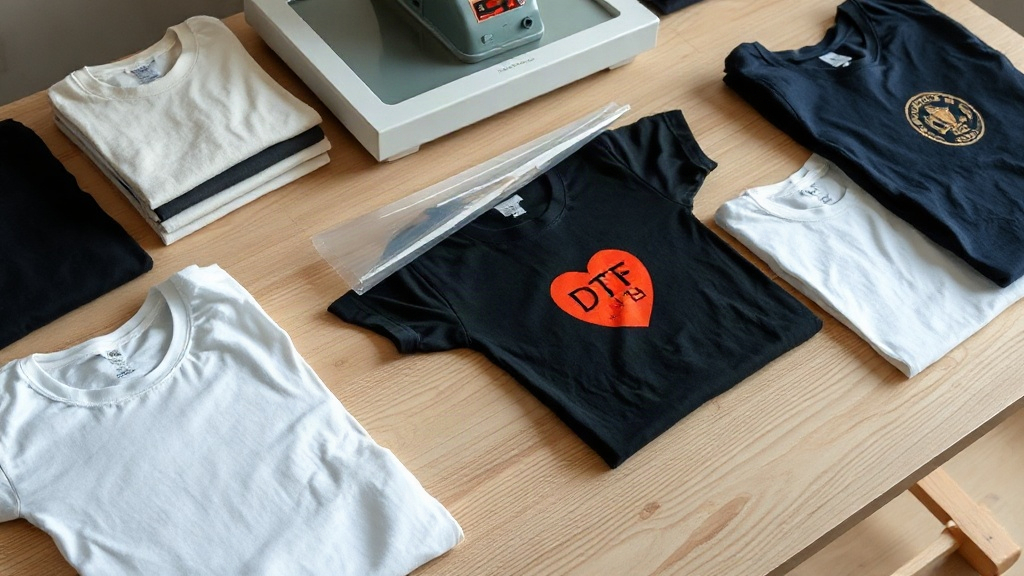
When you're creating custom apparel with DTF transfers, the blank you choose is just as important as the transfer itself. A quality blank can make your design pop, while a poor choice can lead to fading, cracking, or an uncomfortable fit. That's where smart blanks come in. These are garments engineered to work seamlessly with DTF printing, offering the right fabric blend, weight, and finish to ensure your transfers look professional and last. In this guide, we'll explore why smart blanks matter, how to pick the best ones, and why Shaka Wear has become a go-to brand for DTF enthusiasts. Whether you're a seasoned pro or just starting, understanding the blank is the first step to mastering DTF.
What Are Smart Blanks and Why Do They Matter for DTF Transfers?
Smart blanks are not just any t-shirt or hoodie. They are garments specifically designed with DTF printing in mind. Unlike traditional blanks that may have inconsistent fabric surfaces or coatings that repel adhesives, smart blanks feature a smooth, even weave and a finish that bonds perfectly with DTF transfer films. This means your transfers adhere better, feel softer, and resist wash after wash. When you use smart blanks, you're setting your DTF transfers up for success from the start.
The Science Behind the Bond
DTF transfers rely on a thermoplastic adhesive that melts into the fabric fibers when heat-pressed. If the fabric is too rough, has a heavy dye migration issue, or contains silicone, the adhesive can't grip properly. Smart blanks address this by using tightly knit cotton or cotton-poly blends that are free of such barriers. They also undergo pre-shrinking and dyeing processes that minimize bleeding, so your vibrant design stays true. This is why many professionals consider smart blanks an essential part of their DTF workflow.
Key Factors to Consider When Choosing Smart Blanks
Not all smart blanks are created equal. To get the best results with your DTF transfers, you need to evaluate a few critical factors. Here's what to look for:
- Fabric Composition: 100% cotton is ideal for DTF because it allows the adhesive to penetrate deeply. Cotton-poly blends also work well, but higher polyester content can cause dye migration, especially with white transfers. Look for blends with at least 50% cotton.
- Fabric Weight: A midweight fabric (around 5.5 to 6.5 oz) offers a good balance of durability and comfort. Too light, and the transfer may distort the fabric; too heavy, and the print might feel stiff.
- Weave and Texture: A smooth, tight weave ensures even transfer application. Avoid rough or slub fabrics unless you're going for a textured look, as they can cause uneven adhesion.
- Color: Light colors are generally easier for DTF, but with the right techniques, dark colors work too. Just be mindful of dye migration; smart blanks often have a dye-blocking layer.
- Shrinkage: Pre-shrunk blanks are a must. Otherwise, your transfer might crack when the garment shrinks after the first wash.
By considering these factors, you'll narrow down your options and find the perfect smart blanks for your projects.
Why Shaka Wear Blanks Are a Top Choice for DTF Transfers
Among the many brands available, Shaka Wear stands out as a leader in smart blanks. Known for their superior quality and consistency, Shaka Wear garments are a favorite among DTF printers. Here's why:
- Premium Fabrics: Shaka Wear uses high-quality cotton and cotton-poly blends that are soft, durable, and perfect for DTF. Their fabrics are ring-spun for an ultra-smooth surface.
- Consistent Sizing: Nothing is worse than ordering a batch of blanks and finding inconsistent sizing. Shaka Wear maintains strict quality control, so every piece fits as expected.
- Dye Migration Resistance: Many Shaka Wear styles are treated to resist dye migration, making them ideal for white and light-colored transfers on dark fabrics.
- Wide Range of Styles: From classic tees to hoodies, Shaka Wear offers a variety of smart blanks to suit any project.
- Affordability: Despite their premium quality, Shaka Wear blanks are competitively priced, offering excellent value for money.
When you pair Shaka Wear blanks with high-quality DTF transfers, you get a finished product that looks and feels professional, wash after wash.
Real-World Experience: A Case Study
Take it from someone who's been in the trenches. I recently switched to Shaka Wear blanks for a large order of custom hoodies with full-color DTF transfers. The difference was night and day compared to the generic blanks I'd used before. The transfers adhered flawlessly, with no cracking or peeling even after multiple washes. The customers noticed the softness and durability, and I've since made Shaka Wear my go-to for all DTF projects. It's not just about the transfer; it's about the entire garment.
How to Prepare Smart Blanks for DTF Transfers
Even the best smart blanks require proper preparation to ensure a perfect bond. Follow these steps:
- Pre-press the Garment: This removes moisture and wrinkles, creating a smooth surface. Set your heat press to 300-320°F and press for 5-10 seconds.
- Position the Transfer: Place your DTF transfer where you want it. Use heat tape if necessary to keep it in place.
- Apply Heat and Pressure: Press at 300-320°F for 10-15 seconds with medium to firm pressure. Every press is different, so test to find the sweet spot.
- Peel and Cool: Peel the transfer film while it's still warm (or cold, depending on the film type). Then let the garment cool completely before handling.
- Post-Press (Optional): For extra durability, cover the design with a Teflon sheet and press again for 5-10 seconds.
Proper preparation ensures your DTF transfers bond permanently to your smart blanks.
Common Mistakes to Avoid with Smart Blanks and DTF Transfers
Even with the right materials, mistakes can happen. Here are some pitfalls to watch out for:
- Using Fabric Softener: Never use fabric softener on garments before DTF application. It leaves a residue that prevents adhesion.
- Skipping Pre-Press: As mentioned, pre-pressing is crucial. Don't skip it.
- Incorrect Pressure: Too little pressure and the transfer won't stick; too much and the adhesive may spread, causing a halo. Find the right balance.
- Ignoring Dye Migration: If you're printing white on a dark polyester blend, use a dye-blocking underlay or choose a Shaka Wear blank known for resisting migration.
- Washing Too Soon: Wait at least 24 hours before washing the garment to allow the adhesive to fully cure.
By avoiding these mistakes, you'll get the most out of your smart blanks and transfers.
Frequently Asked Questions
What makes a blank 'smart' for DTF transfers?
A smart blank is designed with a smooth, even fabric surface, consistent weave, and often a dye-blocking layer to ensure DTF transfers adhere properly and last long. It's free of finishes that repel adhesives.
Can I use any blank with DTF transfers?
While you can use many blanks, not all are ideal. Blanks with rough textures, high polyester content, or silicone finishes can cause poor adhesion and dye migration. Smart blanks like those from Shaka Wear are engineered to work perfectly with DTF.
How do I prevent dye migration with DTF transfers on dark blanks?
Choose blanks with a dye-blocking layer, like many Shaka Wear styles. Additionally, use a low-temperature adhesive or a double-layer transfer for extra protection.
What's the best fabric weight for DTF transfers?
A midweight fabric (5.5-6.5 oz) is generally best. It's heavy enough to support the transfer without being too stiff, and light enough to feel comfortable.
How long do DTF transfers last on smart blanks?
With proper application and care, DTF transfers on smart blanks can last 50+ washes without fading or cracking. Always follow washing instructions: turn inside out, cold water, no fabric softener, and tumble dry low.