
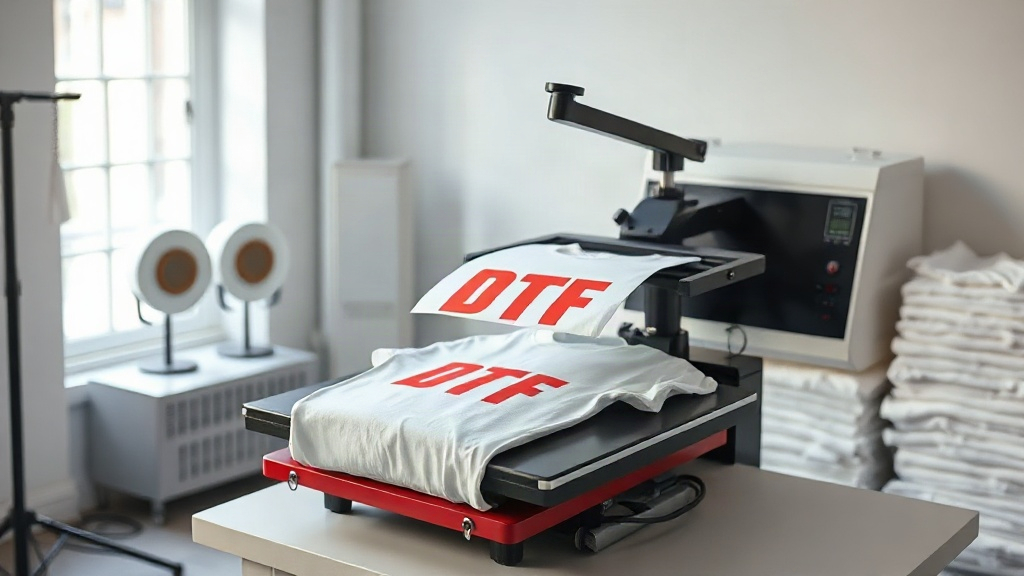
When you first dive into the world of DTF transfers, the options can feel overwhelming. Should you print on 100% cotton or a poly blend? Which brands offer the best canvas for your designs? And how do you ensure your transfers last wash after wash? These are the questions that separate a hobbyist from a pro. In this guide, we will walk through the essentials of choosing blanks, highlight top brands like Shaka Wear and Smart Blanks, and share field-tested tips to elevate your DTF game. Whether you are decorating tees for a local band or building a custom apparel line, these insights will help you avoid common pitfalls and produce results that look and feel premium.
Why DTF Transfers Are a Game-Changer for Custom Apparel
DTF (Direct to Film) transfers have revolutionized the way we decorate garments. Unlike traditional heat transfer vinyl (HTV) or screen printing, DTF allows for full-color, photographic-quality images on a wide range of fabrics without the need for color separation or multiple screens. The process involves printing your design onto a special film, coating it with adhesive powder, and then heat-pressing it onto the garment. The result is a soft, stretchable print that withstands repeated washing. For small businesses and crafters, DTF offers a low barrier to entry: you can start with a single printer and a heat press, and scale up as demand grows. But the magic really happens when you pair quality transfers with the right blank.
Choosing the Right Blank for Your DTF Transfers
Not all blanks are created equal. The fabric content, weave, and weight all affect how well your DTF transfer adheres and how it feels to the touch. Let's break down the key factors.
Fabric Composition
DTF transfers work best on fabrics with a high cotton content or a cotton-poly blend. 100% cotton offers excellent adhesion and a soft hand, but it can shrink slightly. Polyester blends, such as 50/50 or 65/35, provide durability and color retention, making them ideal for activewear. However, if the polyester content is too high (above 80%), you may need to adjust your pressing temperature and time to avoid scorching or poor adhesion. Always test a swatch before committing to a full run.
Weave and Texture
The weave of the fabric also matters. A tight, smooth weave like ring-spun cotton gives you a flawless print with crisp details. Looser knits, such as those found in some tri-blends, can create a textured surface that may cause the transfer to appear slightly grainy. For the best results, opt for garments with a smooth, even surface. If you are working with a textured blank, consider using a higher pressure and a slightly longer press time to ensure the adhesive penetrates the fibers.
Color Considerations
While DTF transfers can be applied to any color, the base color of the garment can influence the vibrancy of your print. On white or light-colored blanks, colors pop with minimal effort. On dark or brightly colored garments, you may need to add a white underbase to your design to prevent the shirt color from showing through. Most DTF printers allow you to include a white layer automatically, so keep that in mind when preparing your artwork.
Top Blank Brands for DTF Transfers
When it comes to sourcing blanks, two names consistently rise to the top: Shaka Wear and Smart Blanks. Both offer quality options, but they cater to slightly different needs.
Shaka Wear: Streetwear Appeal and Durability
Shaka Wear has become a favorite among streetwear brands and screen printers for its heavyweight cotton tees and hoodies. Their garments are known for their relaxed fit, durable construction, and excellent printability. The 100% cotton fabric provides a smooth surface that takes DTF transfers beautifully, and the heavier weight (often 6.0 oz or more) gives a premium feel that customers love. If you are targeting the urban or skate market, Shaka Wear blanks are a solid choice. Just be mindful that their sizing tends to run a bit large, so check the size chart before ordering.
Smart Blanks: Affordable Quality for Every Project
Smart Blanks offers a versatile range of apparel that balances quality and affordability. Their catalog includes tees, polos, and hoodies in various fabric blends, making it easy to find the right option for your project. The cotton-poly blends from Smart Blanks are particularly popular for DTF because they combine the softness of cotton with the resilience of polyester. This means your transfers will hold up well to repeated wear and washing. Plus, their consistent sizing and wide color selection make them a reliable choice for bulk orders. Whether you are printing for a corporate event or a family reunion, Smart Blanks has you covered.
Step-by-Step Guide to Applying DTF Transfers
Even with the best blanks and transfers, application mistakes can ruin your hard work. Follow these steps for flawless results.
- Preheat the garment: Set your heat press to the recommended temperature (usually 300-325°F for cotton, 280-300°F for blends). Prepress for 5-10 seconds to remove moisture and wrinkles. This step is crucial for proper adhesion.
- Position the transfer: Place the DTF transfer on the garment with the printed side facing up. If your transfer has a white backing, ensure it is facing the fabric. Use heat-resistant tape to secure it if needed.
- Press with medium-heavy pressure: Apply pressure for 10-15 seconds. The exact time depends on your press and the fabric. Start with 12 seconds and adjust as needed.
- Peel while hot or cold: DTF transfers can be peeled either hot or cold, but hot peel is more common for production speed. Gently lift a corner to test. If the film lifts easily, peel it off in a smooth, continuous motion.
- Post-press for durability: For added wash resistance, cover the design with a Teflon sheet or parchment paper and press for an additional 5-10 seconds. This helps the adhesive fully cure.
Common DTF Pitfalls and How to Avoid Them
Even seasoned pros run into issues. Here are a few common problems and their solutions.
- Transfer peeling after washing: This usually means insufficient pressure or time. Increase pressure and press for a few seconds longer. Also, ensure the garment is properly preheated.
- Cracking or fading: Over-pressing can cause the print to crack. Stick to the recommended temperature and avoid pressing for too long. Using a lower temperature with a longer time can sometimes help.
- Adhesive residue on the film: If you see a lot of adhesive left on the film after peeling, you may have pressed too lightly. Apply more pressure.
- Color shifting: If your colors look dull, check your printer settings. You may need to increase the ink density or add a white underbase.
Frequently Asked Questions About DTF Transfers
Can I use DTF transfers on 100% polyester garments?
Yes, but you need to adjust your settings. Polyester is heat-sensitive, so use a lower temperature (around 280°F) and a shorter press time (8-10 seconds). Also, pre-press the garment to remove moisture, and consider using a cool peel to prevent the transfer from stretching.
How do I wash garments with DTF transfers?
Turn the garment inside out and machine wash in cold water on a gentle cycle. Avoid using bleach or fabric softener, as these can degrade the adhesive. Tumble dry on low heat or hang dry. Following these steps will keep your prints looking new for years.
What is the difference between DTF and DTG printing?
DTF involves printing onto a film and then transferring it to the garment, while DTG (Direct to Garment) prints directly onto the fabric. DTF works on a wider range of fabrics, including polyester and blends, and often produces more vibrant colors. DTG is typically limited to 100% cotton and may require pre-treatment.
How long do DTF transfers last?
With proper application and care, DTF transfers can last as long as the garment itself. The key is using the right temperature, pressure, and time during application, and following the washing instructions.
Can I layer DTF transfers?
Yes, you can layer DTF transfers to create multi-color designs. Press the first layer for a few seconds, peel, then apply the next layer. Just be careful not to over-press, as this can cause the layers to shift or the colors to bleed.
By choosing the right blanks from trusted brands like Shaka Wear and Smart Blanks, and by following the best practices outlined here, you will be well on your way to producing professional-grade custom apparel with DTF transfers. Remember, quality in equals quality out, so never skimp on your materials or your process.