
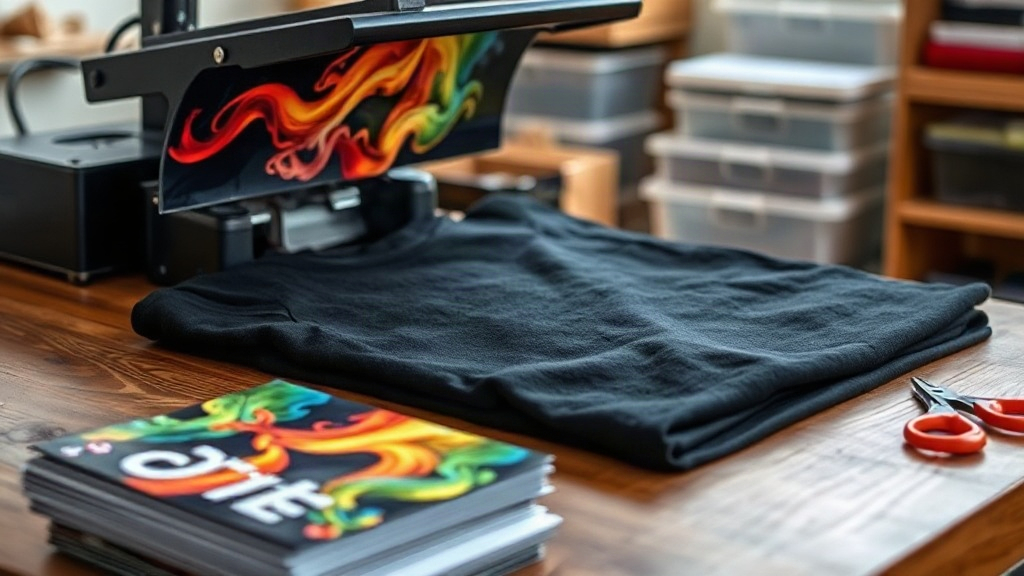
When it comes to custom apparel, DTF transfers have revolutionized the way we print designs. Unlike traditional methods, DTF transfers work on a wide range of fabrics, including the popular Shaka Wear and Smart Blanks. But not all blanks are created equal, and getting a flawless finish requires understanding how these fabrics interact with the transfer process. In this guide, I'll share my firsthand experience and practical advice to help you achieve professional results every time.
Why DTF Transfers Are a Game-Changer for Custom Apparel
DTF transfers, or Direct to Film transfers, have quickly become a favorite among custom printers for their versatility. They allow you to print full-color designs onto a film, then heat press them onto various fabrics. Unlike DTG, which requires pre-treatment and works best on 100% cotton, DTF adheres to cotton, polyester, blends, and even nylon. This opens up a world of possibilities, especially when working with Shaka Wear and Smart Blanks, which offer a range of fabric compositions.
What Makes Shaka Wear and Smart Blanks Stand Out?
Shaka Wear is known for its heavyweight cotton tees, often 100% cotton, providing a premium feel and durability. Their garments are popular for streetwear and retail-quality prints. Smart Blanks, on the other hand, offers a diverse catalog including cotton, poly-cotton blends, and tri-blends, catering to different budgets and style preferences. Both brands are respected in the industry for consistent quality, making them ideal for DTF applications. However, each fabric type requires specific handling to ensure the transfer bonds properly and lasts.
Fabric Compatibility: Matching DTF Transfers to Your Blank
Not all fabrics behave the same under heat and pressure. Here's what you need to know:
- 100% Cotton (e.g., Shaka Wear Classic Tee): DTF transfers adhere excellently to cotton. The fabric's texture allows for good ink absorption, resulting in vibrant colors. However, cotton can scorch if the temperature is too high, so precise settings are crucial.
- Polyester and Blends (e.g., Smart Blanks 50/50 Tee): Polyester requires lower temperatures to prevent dye migration, where the fabric's dye sublimates into the transfer. Using a low-temperature DTF film or a barrier layer can mitigate this. Blends are generally forgiving but test first.
- Tri-Blends (e.g., Smart Blanks Tri-Blend): These fabrics have a soft, vintage feel but can be tricky. They may require a slightly longer press time and lower pressure to avoid flattening the fabric's texture.
Always check the fabric content label and consult the transfer supplier's recommendations. I learned this the hard way when I pressed a DTF transfer onto a polyester Shaka Wear hoodie at cotton settings, only to find the colors dulled and the transfer peeling after a few washes.
Step-by-Step Application Guide for Shaka Wear and Smart Blanks
Getting a perfect DTF transfer involves more than just heat and pressure. Follow these steps for optimal results:
- Pre-press the garment: This removes moisture and wrinkles. For Shaka Wear cotton, press for 5-7 seconds at 300°F. For Smart Blanks polyester, use 280°F for 5 seconds.
- Position the transfer: Place the DTF transfer with the printed side up. Use heat tape if needed to secure it.
- Press: Set your heat press to the recommended temperature (usually 300-320°F for cotton, 280-300°F for polyester). Apply medium to firm pressure (40-60 PSI) for 10-15 seconds.
- Peel: Wait for the transfer to cool completely (cold peel) or peel while warm (hot peel), depending on the film type. Most DTF transfers today are cold peel, but always check.
- Post-press: For added durability, cover with a Teflon sheet or parchment paper and press again for 5-10 seconds. This ensures the adhesive fully cures.
I've found that using a infrared thermometer to verify the platen temperature is a game-changer, as dials can be inaccurate. Also, consistent pressure is key; uneven pressure leads to partial adhesion and premature peeling.
Common Issues and How to Fix Them
Even with experience, problems can arise. Here are solutions to frequent headaches:
Transfer Peeling After Washing
This usually means insufficient pressure, temperature, or time. Increase pressure and ensure the entire transfer is covered. For Shaka Wear's thick cotton, you might need a longer press time (up to 20 seconds). Also, verify that the garment is completely dry before pressing.
Dye Migration on Polyester
Smart Blanks' polyester tees can suffer from dye migration if pressed too hot. Use a lower temperature (around 280°F) and consider a dye-blocking underlay. Alternatively, choose a DTF film designed for low-temperature application.
Stiff or Cracked Transfers
This often results from overheating or too much pressure, which flattens the adhesive. Reduce temperature and pressure, and ensure you're using a quality DTF transfer from a reputable supplier. I've tested several brands and found that those with a thinner adhesive layer tend to feel softer.
Pro Tips for Working with Shaka Wear and Smart Blanks
- Test on scraps: Before pressing a full order, test on a similar fabric swatch. This saves time and costly mistakes.
- Use a heat press, not an iron: Irons don't provide consistent pressure or temperature, leading to uneven results.
- Store transfers properly: Keep DTF transfers in a cool, dry place away from direct sunlight to prevent the adhesive from degrading.
- Wash inside out: Advise your customers to wash garments inside out in cold water and tumble dry low to extend the life of the print.
Frequently Asked Questions
Can I use DTF transfers on Shaka Wear's 100% cotton tees?
Absolutely. Shaka Wear's cotton tees are ideal for DTF transfers. The cotton fibers bond well with the adhesive, resulting in a durable, vibrant print. Just be mindful of the pressing temperature to avoid scorching.
What temperature should I use for Smart Blanks polyester shirts?
For Smart Blanks polyester, set your heat press to 280-300°F. Higher temperatures can cause dye migration. Always pre-test and use low-temperature DTF films if possible.
How do I prevent the transfer from peeling off after washing?
Ensure you apply sufficient pressure (40-60 PSI) and press for the full recommended time. Also, post-press for an extra 5-10 seconds to fully cure the adhesive. Proper washing inside out also helps.
Are DTF transfers suitable for tri-blend fabrics from Smart Blanks?
Yes, but tri-blends require careful handling. Use a lower pressure to avoid flattening the fabric's texture, and press for 15-20 seconds at 300°F. Cold peel is recommended.
How long do DTF transfers last on these garments?
With proper application and care, DTF transfers can last 50+ washes. Longevity depends on fabric type, wash conditions, and the quality of the transfer film.
By following these guidelines, you'll be able to produce stunning, long-lasting custom apparel on Shaka Wear and Smart Blanks using DTF transfers. Remember, practice makes perfect, so don't be afraid to experiment and refine your technique.