
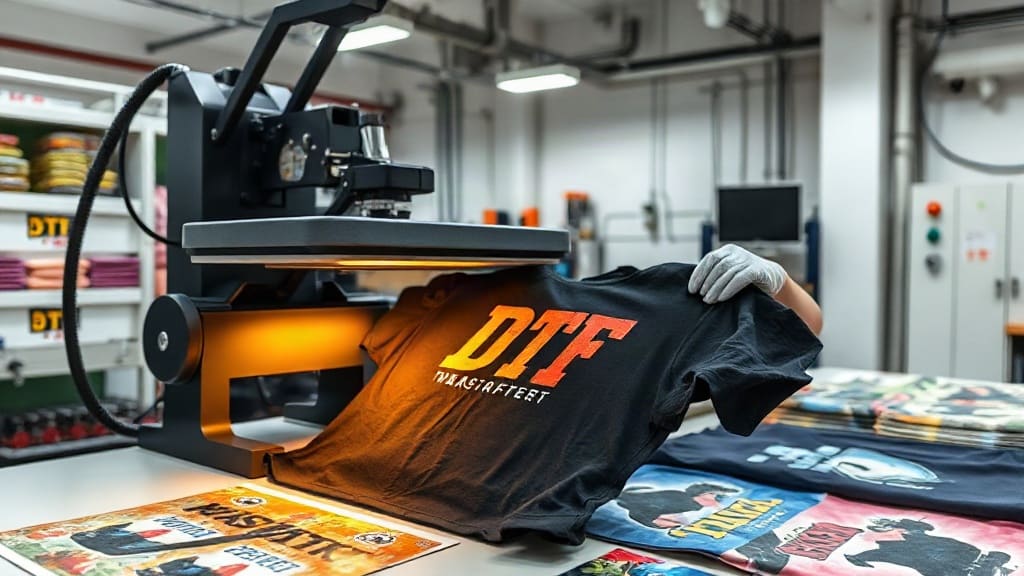
When you run a custom apparel business, the quality of your prints can make or break your reputation. DTF transfers have become a popular choice because they offer vibrant colors, excellent durability, and versatility across many fabric types. But not all transfers are created equal. Choosing the right ones involves understanding several key factors, from the quality of the print to the reliability of your supplier. In this guide, I will walk you through what matters most when selecting DTF transfers, so you can deliver products that keep customers coming back.
Understanding DTF Transfers and Their Benefits
Direct to film, or DTF, is a printing method where your design is printed onto a special film, coated with adhesive powder, and then heat pressed onto fabric. Unlike traditional screen printing, DTF doesn't require screens or extensive setup, making it ideal for small batches and detailed designs. The transfers are known for their soft hand feel and ability to stretch with the fabric without cracking. They work well on cotton, polyester, blends, and even tricky materials like nylon. This flexibility is one reason many businesses are switching to DTF transfers for their custom apparel needs.
Key Factors to Consider When Choosing DTF Transfers
To ensure you get the best results, evaluate each potential supplier and product against these criteria:
Print Quality and Resolution
The resolution of the printed design is crucial. Look for suppliers that use high-resolution printers (at least 1440 dpi) and quality inks. A good transfer will have sharp edges, smooth gradients, and rich colors. Ask for samples to see the detail in fine lines and small text. Remember, a cheap transfer that looks pixelated will ruin your brand's image.
Ink and Adhesive Quality
The type of ink used affects color vibrancy and washability. Most DTF inks are water-based or pigment-based. High-quality inks resist fading and don't yellow over time. The adhesive powder must be evenly applied and melt properly during pressing to ensure the design sticks firmly. Poor adhesive leads to peeling or cracking after a few washes. Check for certifications like OEKO-TEX or CPSIA compliance, especially if you print on kids' clothing.
Film and Coating
The film itself should be dimensionally stable and not curl excessively. A good DTF film has a coating that holds the ink without spreading, ensuring precise color reproduction. Some films are specifically designed for light or dark fabrics, so choose accordingly. A reputable supplier will offer both options and guide you on which to use.
Durability and Washability
Your customers expect their custom apparel to withstand regular washing and wearing. Test the transfer's durability by washing a sample multiple times. Look for any fading, cracking, or peeling after 20 or more washes. High-quality DTF transfers maintain their integrity for many cycles, even on stretchy fabrics.
Ease of Application
Even the best transfer can fail if not applied correctly. Look for transfers that are easy to position and press. Clear instructions from the supplier are a plus. Some transfers come with a protective film that you peel off after pressing, while others require a two-step process. Make sure your team can handle the application without a steep learning curve.
How to Compare DTF Transfer Suppliers
Once you know what to look for, you need to evaluate suppliers. Here are some practical steps:
Request Samples Before Bulk Ordering
Always order samples from at least three different suppliers. Test them on the exact fabrics you plan to use. Compare color accuracy, softness, stretchability, and durability. This hands-on approach is the most reliable way to judge quality.
Check Turnaround Times and Minimum Order Quantities
For your business to run smoothly, you need a supplier who can meet your deadlines. Ask about their production time and shipping options. Some suppliers have low minimums, which is great if you handle small custom orders. Others offer bulk discounts but require larger quantities. Balance your cash flow and storage capacity against your order volume.
Review Customer Feedback and Reputation
Look for reviews on third-party sites, social media, and industry forums. A supplier with a long history and positive feedback is more likely to be reliable. Pay attention to comments about consistency, communication, and problem resolution. A supplier that is difficult to reach or unresponsive to issues can cause you major headaches down the line.
Assess Customer Support and Technical Assistance
Even experienced printers encounter issues. A good supplier offers responsive customer support and technical guidance. They should help you troubleshoot application problems, recommend settings for different fabrics, and provide advice on optimizing your designs for DTF. This support can save you time and money.
Application Tips for Perfect DTF Transfers
Getting the right transfer is only half the battle. Proper application is essential for a professional finish. Here are some tips:
- Pre-press your garment to remove moisture and wrinkles. This ensures a dry, flat surface for better adhesion.
- Use a heat press, not a home iron, for consistent pressure and temperature. Set the temperature to around 320°F (160°C) and pressure to medium or firm, depending on the fabric.
- Press for the recommended time, usually 10-15 seconds. Over-pressing can melt the adhesive too much, causing it to bleed through thin fabrics.
- Peel the film while it is still hot or cold, depending on the type. Some films are designed for hot peel, others for cold. Follow the supplier's instructions.
- Apply a second press with a silicone sheet or parchment paper over the design to ensure full adhesion, especially on textured fabrics.
By mastering these techniques, you can ensure that every DTF transfer you use comes out looking sharp and lasting long.
Common Mistakes to Avoid
Even seasoned professionals can slip up. Here are common errors to watch for:
- Choosing the cheapest option: Price often reflects quality. Low-cost transfers may have poor color density or weak adhesive, leading to unhappy customers.
- Ignoring fabric compatibility: Not all DTF transfers work on every material. Test on your specific garments to avoid failures.
- Storing transfers improperly: Heat and humidity can degrade transfers. Store them in a cool, dry place, away from direct sunlight.
- Skipping test prints: Always run a test print before starting a batch. This catches issues before you waste time and materials.
By avoiding these pitfalls, you can maintain a high standard of quality in your products.
Cost Considerations and ROI
While DTF transfers are cost-effective, especially for short runs, it's important to understand the total cost. Consider not just the price per transfer but also shipping, storage, and waste. A slightly higher upfront cost for a reliable supplier can save you money in the long run through fewer rejects and reprints. Calculate your profit margins carefully to ensure you're pricing your products appropriately.
For a startup, starting with a small order to test the waters is wise. As your business grows, you can negotiate better prices with your preferred supplier.
Future Trends in DTF Transfers
The DTF industry is evolving. Innovations in film technology and inks are making transfers even more durable and eco-friendly. Some suppliers are now offering water-based inks that are better for the environment. Others are developing films that work on more fabric types, including performance wear. Keeping an eye on these trends can help you stay ahead of the competition.
By choosing high-quality DTF transfers and staying informed, you can offer exceptional products that satisfy your customers and grow your business.
Frequently Asked Questions
How long do DTF transfers last on garments?
High-quality DTF transfers can last for many washes, often over 50, without significant fading or cracking. The longevity depends on the fabric, washing conditions, and application quality. Using a good heat press and proper care instructions from your supplier will maximize lifespan. Always wash garments inside out in cold water and avoid harsh detergents to preserve the print.
Can DTF transfers be used on dark colored shirts?
Yes, DTF transfers work well on dark fabrics. Unlike some other methods, DTF doesn't require a white underbase. The white ink in the transfer provides the necessary opacity. Just ensure you choose a film designed for dark fabrics and press at the recommended time to get a vibrant result.
Are DTF transfers suitable for small orders?
Absolutely. One of the biggest advantages of DTF transfers is that they have no setup costs, making them perfect for small batches or even single items. You can order just a few transfers without breaking the bank. This flexibility allows you to offer custom products without maintaining large inventories.
What are the most common problems with DTF transfers?
The most common issues include poor adhesion leading to peeling, cracking, or fading after washing. These problems often stem from low-quality materials or incorrect pressing. To avoid them, buy from reputable suppliers, follow application instructions precisely, and test each batch. Also, ensure your heat press is calibrated correctly.
How should I store unused DTF transfers?
Store your transfers in a cool, dry place away from direct sunlight. Heat and humidity can damage the film and adhesive, affecting print quality. Ideally, keep them in a sealed plastic bag or container, flat to prevent curling. Proper storage ensures they remain in good condition until you're ready to use them.
Choosing the right DTF transfers is a critical decision for your custom apparel business. By focusing on quality, supplier reliability, and correct application, you can produce stunning products that build a loyal customer base. Take your time to research, test, and build strong supplier relationships. Your attention to detail will pay off in the form of satisfied customers and a thriving business.