
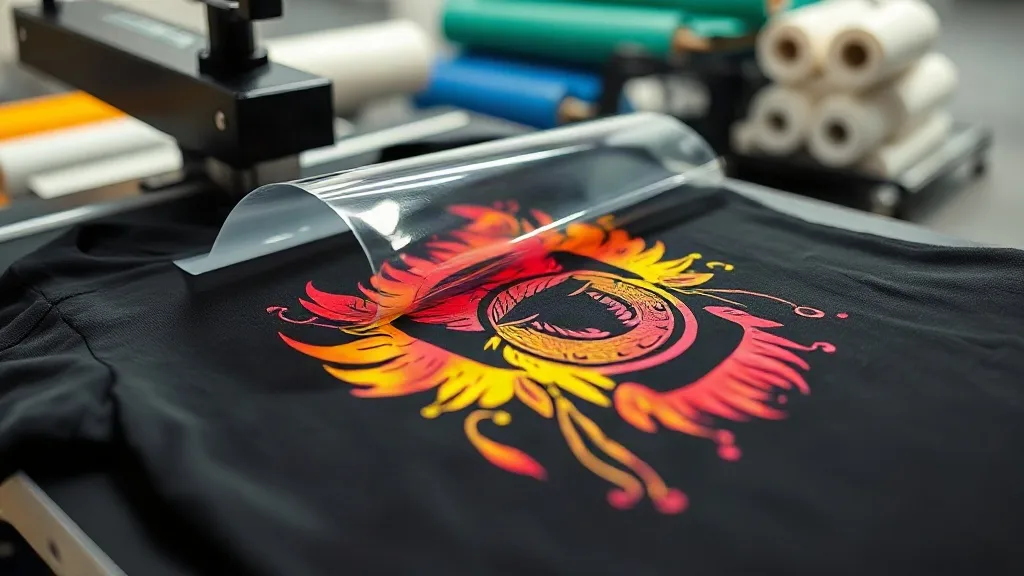
If you have ever tried to print a detailed, full-color design onto a dark cotton t-shirt, you know the struggle: the ink soaks in, the colors fade, and the image cracks after a few washes. That frustration led many printers to seek a better way. Enter dtf printing, a technology that has quickly become a game-changer for apparel decorators, from home-based crafters to large-scale production shops. Unlike older methods that require specific fabrics or complicated setups, DTF (Direct to Film) opens up a world of possibilities. In this guide, we will walk through what DTF is, how it works, and why it might be the solution you have been looking for.
What Are DTF Transfers?
At its core, dtf transfers are printed images on a special film that are then heat-pressed onto a garment. The process begins by printing your design onto a PET film using specialized inks. A powdered hot-melt adhesive is applied to the wet ink, and then the film is cured. When you are ready to apply the design, you place the film on the fabric and press it with a heat press. The adhesive melts, bonding the ink to the fabric, and after cooling, you peel away the film. The result is a soft, stretchable, and durable print that feels like part of the garment.
The beauty of this method is its simplicity and versatility. You can print on almost any fabric, including cotton, polyester, blends, and even leather. No pre-treatment is required, which saves time and eliminates the need for additional equipment. Whether you are printing a single shirt or a hundred, DTF delivers consistent results.
How DTF Transfers Work: Step by Step
Understanding the workflow helps you appreciate the magic. Here is a breakdown of the DTF process:
- Design Preparation: Create your artwork in a graphics program. Remember to mirror the image before printing, as the film will be flipped when pressed.
- Printing: Use a DTF printer with specially formulated inks (usually CMYK plus white). The printer lays down the color layers, followed by a white base layer that makes the colors pop on dark fabrics.
- Powdering: While the ink is still wet, apply the hot-melt adhesive powder evenly over the print. Shake off the excess.
- Curing: Place the film in a curing oven or under a heat source to melt the powder. This step is crucial for wash durability.
- Transfer: Set your heat press to the recommended temperature (usually 300-320°F) and press for 10-15 seconds with medium pressure. Let it cool, then peel the film.
Each step is straightforward, but attention to detail ensures professional results. For example, under-curing the powder can lead to prints washing out, while over-pressing can cause the adhesive to bleed.
Why Choose DTF Transfers Over Other Methods?
DTF has several advantages that make it stand out. Here are the key benefits:
- Fabric Versatility: Unlike DTG (Direct to Garment) that works best on 100% cotton, DTF adheres to nearly any fabric, including polyester, nylon, and blends. This is a huge plus for printers who work with diverse materials.
- No Pre-Treatment: DTG requires pre-treating the garment, which adds time and cost. DTF skips that entirely.
- Vibrant Colors: The white ink base allows for bright, opaque colors on dark garments without the need for multiple passes.
- Durability: When applied correctly, DTF prints resist cracking, peeling, and fading even after multiple washes.
- Cost-Effective for Small Runs: Screen printing is cheaper for large orders, but DTF is more economical for small batches and one-offs because there are no setup fees.
- Detail Reproduction: DTF can handle fine lines, gradients, and photographic images with impressive accuracy.
These benefits have made dtf transfers a favorite among custom apparel businesses and hobbyists alike.
Applications of DTF Transfers
DTF is not limited to t-shirts. Its flexibility allows for a wide range of applications:
- Apparel: T-shirts, hoodies, jeans, jackets, and activewear.
- Accessories: Tote bags, hats, and socks.
- Home Decor: Pillows, canvas bags, and even upholstery.
- Promotional Items: Corporate giveaways, event merchandise, and team uniforms.
Because DTF works on both natural and synthetic fabrics, it is a go-to method for personalized gifts and small business merchandise.
Getting Started with DTF: Essential Equipment
To produce DTF transfers, you will need:
- DTF Printer: A dedicated printer that uses DTF inks. Epson conversions are popular, but there are also purpose-built models.
- DTF Inks: Specifically formulated pigment inks that are compatible with the film and powder.
- PET Film: The transfer film, available in rolls or sheets. It comes in cold-peel and hot-peel varieties.
- Hot-Melt Powder: The adhesive that bonds the ink to the fabric. It comes in different particle sizes for fine or bold details.
- Curing Oven or Heat Gun: To melt the powder. A dedicated oven provides more consistent results.
- Heat Press: For transferring the design onto the garment. A quality press ensures even pressure and temperature.
While the initial investment can be significant, the return comes quickly if you offer custom printing services.
Tips for Perfect DTF Transfers
Even with the right equipment, technique matters. Here are some practical tips to achieve professional results:
- Control Moisture: Humidity can affect powder application. Store film and powder in a dry environment.
- Test Your Settings: Every heat press is different. Always do a test press to dial in temperature, pressure, and time.
- Use the Right Peel: Cold peel films must cool completely before peeling; hot peel films are removed immediately. Follow the manufacturer's instructions.
- Press Twice for Durability: Some printers recommend a second press with a Teflon sheet for a few seconds to improve wash resistance.
- Store Properly: Keep unused transfers in a cool, dry place away from direct sunlight.
These small details can make a big difference in the final product.
Common Mistakes to Avoid
Beginners often run into issues that are easy to fix. Watch out for these pitfalls:
- Insufficient Powder: Not enough powder leads to poor adhesion. Ensure even coverage.
- Over-Curing: Burning the powder can cause the print to feel stiff or fail to adhere. Follow curing guidelines.
- Wrong Pressure: Too little pressure and the design won't stick; too much and it can spread. Medium pressure is usually best.
- Skipping the Mirror: Forgetting to mirror the image results in backward text. Always double-check.
Avoiding these mistakes will save you time and materials.
DTF vs. Other Printing Methods
How does DTF stack up against DTG, screen printing, and vinyl? Let's compare:
- DTG: Best for 100% cotton, requires pre-treatment, limited color vibrancy on dark shirts. DTF wins on versatility and vibrancy.
- Screen Printing: Cost-effective for large runs, but setup costs are high and color complexity is limited. DTF is better for small batches and detailed designs.
- Vinyl (HTV): Good for simple designs and single colors, but layering multiple colors is time-consuming. DTF handles full-color images in one step.
Each method has its place, but DTF's combination of quality, speed, and material compatibility makes it a strong contender for many projects.
Frequently Asked Questions
How long do DTF transfers last?
When applied correctly, DTF transfers can last as long as the garment itself. They withstand 50+ washes without significant fading or cracking. Proper curing and pressing are key to longevity.
Can I use DTF on 100% polyester?
Yes, DTF works well on polyester. However, because polyester is heat-sensitive, you should use lower temperatures (around 280-300°F) and shorter press times to avoid scorching or dye migration.
Do I need a special printer for DTF?
You can convert certain inkjet printers (like Epson) to use DTF inks, but dedicated DTF printers are recommended for consistent results. They are designed to handle the white ink and powder process efficiently.
What is the difference between hot peel and cold peel DTF film?
Hot peel film is removed immediately after pressing while the transfer is still hot. Cold peel film must cool completely before peeling. Each type has its own advantages: hot peel is faster, while cold peel often provides a smoother finish.
Can I layer DTF transfers?
Yes, you can layer DTF transfers, but it requires careful planning. Press the first transfer, then apply the second on top, ensuring proper alignment and pressure. It's best to test before production.
Conclusion
DTF transfers have opened new doors for custom apparel printing. With their ability to print on almost any fabric, produce vibrant colors, and deliver durable results, they are an excellent choice for both beginners and professionals. While there is a learning curve, the investment in equipment and practice pays off in the quality of your finished products. Whether you are starting a small business or adding to your existing services, mastering DTF can set you apart. So gather your materials, experiment with designs, and see for yourself why DTF is taking the printing world by storm.