
If you've been exploring custom apparel printing, you've likely heard of DTF transfers. This innovative method has taken the industry by storm, offering a versatile and cost-effective way to produce vibrant designs on various fabrics. Whether you're a small business owner, a print shop veteran, or a DIY enthusiast, understanding DTF transfers can open up new opportunities. In this guide, we'll break down everything you need to know, from the basic process to advanced tips for achieving professional results.
What Are DTF Transfers?
DTF stands for Direct to Film. Unlike traditional methods like screen printing or Direct to Garment (DTG), DTF transfers involve printing your design onto a special PET film, then transferring it to the fabric using heat and pressure. This film is coated with an adhesive powder that melts during the heat press, bonding the ink to the garment. The result is a soft, flexible, and highly detailed print that works on cotton, polyester, blends, and even tricky materials like nylon or leather.
One of the biggest draws of DTF is its simplicity. You don't need to pre-treat garments or worry about fabric type. Just print, powder, cure, and press. This makes it an excellent choice for on-demand printing, small batch orders, and full-color designs without the setup costs of screen printing.
How Does the DTF Process Work?
The DTF process can be broken down into a few key steps. First, you create or select your design using graphic software. Then, you print it in reverse (mirrored) onto the PET film using a DTF printer, which uses specialized CMYK + White ink. After printing, while the ink is still wet, you apply hot-melt adhesive powder to the film. This powder is essential for the transfer to stick to the fabric. The film is then dried or cured, typically in a dryer or with a heat press set to a specific temperature.
Printing on Film
The printing step requires a printer that supports DTF. Many use converted Epson or Ricoh printers with pigment inks and white ink. The white ink is crucial because it creates a base layer that ensures your colors pop, especially on dark garments. The film itself is usually clear or matte, with a coating that holds the ink.
Applying the Adhesive Powder
Once printed, you immediately sprinkle or shake the adhesive powder over the film. The powder sticks to the wet ink. You'll want to shake off any excess and then cure the film. Curing involves heating the film to about 120°C (248°F) for a short time, which melts the powder and binds it to the ink. This step can be done with a heat press, oven, or specially designed powder curing unit.
Heat Pressing the Transfer
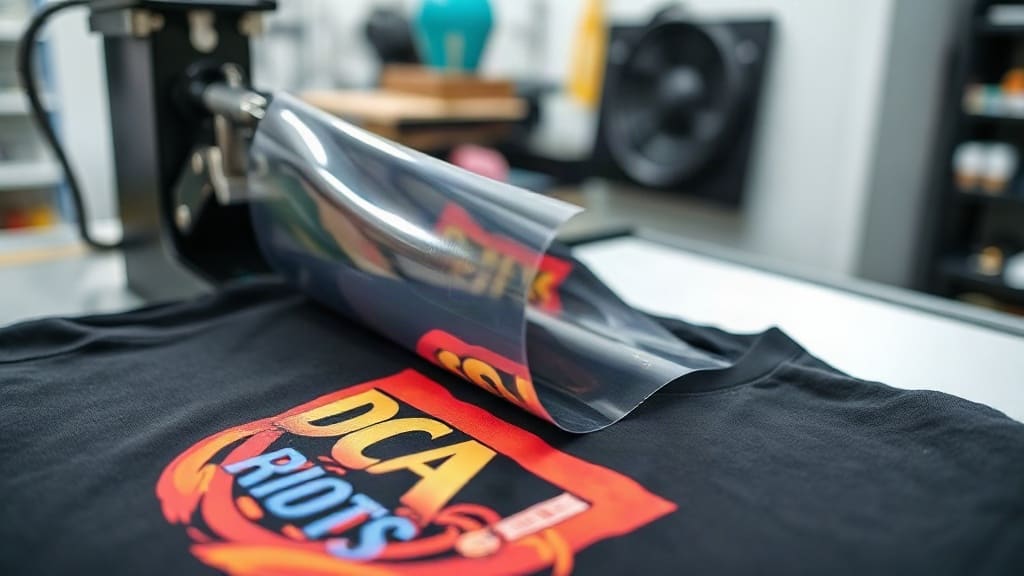
When you're ready to transfer, place the film with the design facing down on your garment. Apply heat and pressure using a heat press. The typical settings are around 160°C (320°F) for 15-20 seconds with medium to high pressure. After pressing, peel the film away while it's still hot or cold, depending on your preference. Hot peeling is common for DTF, but some prefer cold peeling for a matte finish. The result is a vibrant, durable print.
Benefits of Using DTF Transfers
DTF transfers offer numerous advantages over other printing methods. Let's explore the most significant ones.
Versatility on Fabrics
Unlike DTG, which works best on 100% cotton, DTF can adhere to a wide range of fabrics, including polyester blends, nylon, silk, and even leather. This flexibility allows you to offer customized products like sports jerseys, tote bags, and denim jackets without worrying about fabric composition.
No Pre-Treatment Required
DTG printers often require garments to be pre-treated with a chemical solution to ensure ink adhesion. DTF eliminates this step, saving time and reducing costs. You can print on garments straight out of the box.
Vibrant Colors and High Detail
Because DTF uses a white base, colors appear vivid even on dark fabrics. The printing resolution is high, allowing for intricate details, gradients, and photographic images. The ink layering produces a soft feel that doesn't crack or fade easily.
Cost-Effective for Small Batches
Screen printing requires screens and setup, making it expensive for small orders. DTF transfers can be produced on-demand, so you can print a single item or a hundred with minimal setup costs. This makes it ideal for startups and businesses that offer customizable products.
Easy to Store and Use
Once you've printed and cured a DTF transfer, you can store it for later use. This is perfect for pre-printing designs in bulk and then applying them as orders come in. The transfers have a decent shelf life if kept in a cool, dry place.
DTF vs. Other Printing Methods
How does DTF stack up against other popular methods? Let's compare.
DTF vs. DTG
DTG (Direct to Garment) involves printing directly onto the fabric using a printer similar to an inkjet. DTG excels on cotton and produces a soft, breathable print. However, it requires pre-treatment, works poorly on dark or non-cotton fabrics, and has a higher cost per print for small runs. DTF is more versatile, easier to use, and can handle a wider variety of fabrics.
DTF vs. Screen Printing
Screen printing is ideal for large quantities because the per-unit cost decreases significantly. However, it requires a significant upfront investment in screens and setup. DTF is more cost-effective for smaller orders and offers easier color matching. For a small business, DTF is often more accessible.
DTF vs. Vinyl
Vinyl cutting is great for simple designs with few colors. It's durable but doesn't allow for gradients or detailed graphics. DTF can reproduce any design with full color, making it superior for complex artwork. Vinyl also has a thicker feel and can crack over time, whereas DTF prints are softer and more flexible.
Tips for Successful DTF Transfers
To get the best results from your DTF transfers, consider these professional tips.
Use High-Quality Materials
The quality of your film, ink, and adhesive powder directly affects the outcome. Invest in reputable brands that offer good color reproduction and adhesion. Cheap materials may lead to peeling, cracking, or dull colors.
Calibrate Your Printer
Ensure your printer is properly calibrated for color accuracy. Use ICC profiles specifically for your film and ink combination to achieve consistent results. Regularly clean your print heads to avoid clogs, especially with white ink.
Mind Your Pressing Temperature and Time
Every heat press is different. Do test prints to determine the optimal temperature, time, and pressure for your specific setup. Too much heat can scorch the fabric, while too little can result in poor adhesion. Follow the recommendations from your film and powder suppliers.
Handle the Film Carefully
Before pressing, make sure the film is free of dust and fingerprints. After printing, avoid touching the inked area. When peeling, do it at a consistent speed to prevent lifting of the design.
Pre-Press Garments
If your garments have wrinkles or moisture, pre-press them for a few seconds to ensure a smooth surface. This step helps the transfer adhere evenly.
Experiment with Different Fabrics
DTF works on many materials, but each may require slight adjustments. Try pressing on samples to see how the transfer interacts with the fabric's texture and color.
Common Mistakes to Avoid
Even experienced printers can make errors. Here are some pitfalls to watch out for.
Skipping the Cure Step
If you skip or rush the curing process, the adhesive powder won't melt properly, leading to weak adhesion. Always cure the film adequately before pressing.
Using Too Much Powder
Excess powder can cause a stiff feel or leave residue on the garment. Use just enough to cover the ink evenly. Shake off the excess thoroughly.
Incorrect Pressure Settings
Too little pressure can result in incomplete transfer, while too much can cause ghosting or bleeding. Adjust the pressure based on the fabric type and thickness.
Not Testing First
Always run a test print on a scrap fabric before doing the actual job. This allows you to check colors, adhesion, and washability.
Applications of DTF Transfers
DTF transfers are incredibly versatile. Here are some popular uses.
- Custom t-shirts and polo shirts for events, teams, or businesses.
- Sportswear and athletic uniforms that require breathability and durability.
- Tote bags, backpacks, and accessories.
- Denim jackets and other fashion items.
- Personalized gifts for birthdays, holidays, or corporate merchandise.
Because you can print on demand, you can offer a wide range of products without maintaining large inventories. This makes DTF an excellent choice for print-on-demand services.
How to Start with DTF Transfers
If you're ready to dive in, here are the essential steps to get started.
- Research and choose a DTF printer and compatible films and inks.
- Set up your workspace with proper ventilation and a heat press.
- Learn the process by watching tutorials and practicing on sample materials.
- Start with small orders to perfect your workflow.
- Market your services to local businesses, sports teams, or online audiences.
Remember, patience and practice are key. As you gain experience, you'll be able to troubleshoot issues and produce professional-grade prints.
Cost Considerations
The initial investment for DTF equipment can be significant, including a printer (around $1,000 to $3,000), a heat press (starting from $300), and supplies. However, the per-unit cost is relatively low, especially compared to outsourcing. Over time, the savings can offset the initial outlay. Many small businesses find DTF to be a profitable addition to their offerings.
Frequently Asked Questions
How many washes can DTF transfers withstand?
With proper application and care, DTF transfers can withstand 30 to 50 washes or more without significant fading or cracking. Washing inside out in cold water and tumble drying on low can extend the life of the print.
Can I use DTF transfers on 100% cotton?
Yes, DTF works exceptionally well on cotton. In fact, it's one of the best fabrics for DTF because it absorbs the adhesive well. It's also suitable for blends, polyester, and many synthetic materials.
What is the difference between DTF and sublimation?
Sublimation uses heat to transfer dye into polyester fibers, resulting in a permanent bond that doesn't crack. However, it only works on white or light-colored polyester fabrics. DTF is more versatile, working on dark fabrics and various materials, but the print sits on top of the fabric rather than being absorbed.
Do I need a special printer for DTF?
Yes, you need a printer that can handle DTF inks, especially white ink. Many printers are converted or specifically designed for DTF. Using a regular inkjet printer won't produce durable results.
Can I make DTF transfers at home?
Absolutely! Many hobbyists start with a small DTF printer and a heat press. The process is manageable for home use, though you'll need space for equipment and proper ventilation. It's a great way to personalize items for yourself or to start a side business.
Conclusion
DTF transfers are a game-changer in the custom apparel industry. They offer flexibility, quality, and cost-efficiency that traditional methods can't match, especially for small to medium runs. By following the steps and tips outlined in this guide, you can produce stunning prints that satisfy your customers and grow your business. Whether you're just starting or looking to expand your capabilities, embracing DTF technology is a smart move. So, why not give it a try? Your next masterpiece is just a transfer away.