
Are you searching for DTF (Direct to Film) printing services in your area? Finding a reliable provider can be overwhelming, especially with so many options popping up. But don't worry, we've got your back. This guide will walk you through everything you need to know about choosing the best DTF transfers provider, from understanding what DTF is to asking the right questions before placing your first order.
Why DTF Transfers Are a Game Changer
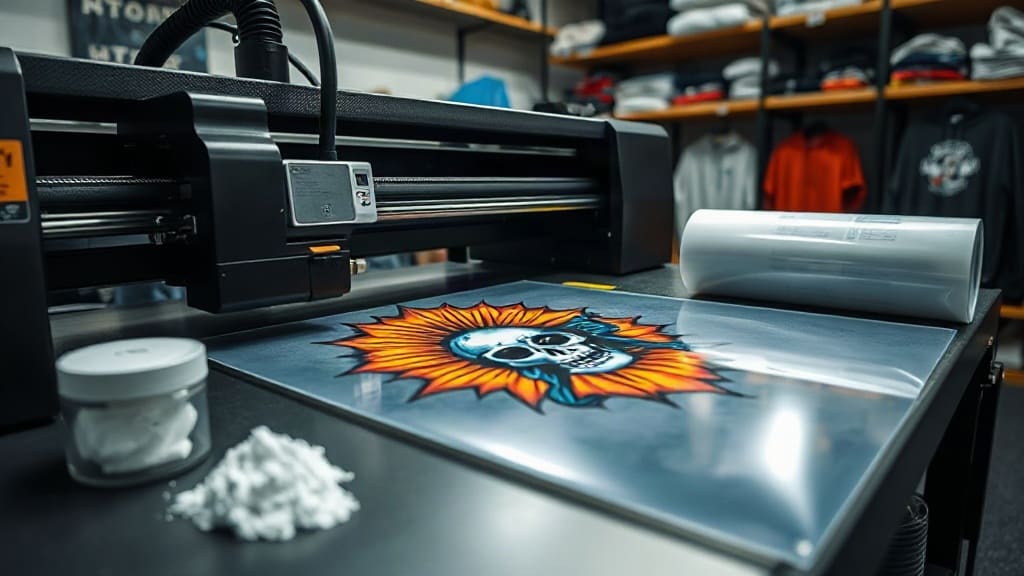
DTF printing has revolutionized the custom apparel industry. Unlike traditional screen printing, DTF transfers allow you to print detailed, vibrant designs on a variety of fabrics with minimal setup. This makes it ideal for small businesses, print-on-demand services, and hobbyists. The process involves printing your artwork onto a special film, applying adhesive powder, and then heat-pressing it onto your garment. The result is a soft, durable, and stretchable print that can handle repeated washes.
One of the biggest advantages of DTF is its versatility. You can print on cotton, polyester, blends, and even dark-colored fabrics without needing a white underbase layer. This saves time and reduces costs, especially for short runs. Plus, DTF transfers can be stored for later use, so you can print in bulk and apply as needed.
What to Look for in a Local DTF Provider
When you search for DTF transfers near me, you'll likely find several options, from local print shops to online services with local delivery. But not all providers are created equal. Here are the key factors to consider:
Print Quality
The most critical aspect is the quality of the transfer itself. Look for prints that have sharp details, vibrant colors, and smooth gradients. A good provider will use high-resolution printers (at least 1200 dpi) and high-quality inks that are resistant to fading and cracking. Ask to see physical samples or photos of their recent work.
Film and Adhesive Powder
The type of film and adhesive powder used significantly affects the final result. Quality providers use premium matte or clear films that peel easily and don't distort the design. The adhesive powder should be fine and evenly applied to ensure proper bonding with the fabric. Cheaper alternatives might result in peeling or flaking after a few washes.
Color Accuracy
Color consistency is vital, especially if you have brand-specific colors. A reliable provider will use color management software to ensure your prints match your original artwork. They should also offer white ink printing for designs that need it, without making the print too thick or stiff.
Turnaround Time
Depending on your needs, turnaround time can be a deal-breaker. Some providers offer same-day or next-day services, while others might take several days. If you have a tight deadline, make sure the provider can meet it. Local providers often have faster turnaround times than online-only services, but always confirm.
Customer Service
Good communication is key. You want a provider who is responsive, answers your questions, and offers guidance on file setup and design optimization. If they're not helpful before you place an order, they likely won't be helpful after either.
Pricing
While price is important, it shouldn't be the sole deciding factor. Extremely low prices often indicate lower quality materials or rushed work. Compare prices among several local providers and weigh them against the quality and service they offer. Remember, you get what you pay for.
Questions to Ask Before You Commit
To avoid disappointment, ask potential providers these questions:
- What type of printer and inks do you use?
- Can I see samples of your DTF transfers on different fabrics?
- Do you offer color matching services?
- What is your typical turnaround time?
- Do you provide a proof or sample before the full run?
- What are your minimum order quantities?
- Do you offer bulk discounts?
- What is your policy on defective transfers?
Their answers will give you a clear picture of their capabilities and professionalism.
How to Test a DTF Provider
Before placing a large order, it's wise to do a small test run. Order a few transfers with different designs, colors, and fabric types. Apply them according to the provider's instructions and test them for durability. Wash them a few times and see how they hold up. This will help you assess the quality without a big commitment.
Also, check online reviews and ask for references. Local Facebook groups or business networks can be excellent sources of recommendations. If possible, visit the provider's facility to see their equipment and working conditions firsthand.
Common Pitfalls to Avoid
When choosing a DTF provider, be aware of these common mistakes:
- Choosing based solely on price without considering quality.
- Ignoring the importance of white ink opacity, especially for dark fabrics.
- Not asking about the film's peel texture (hot vs. cold peel) and how it affects the final feel.
- Assuming all DTF transfers are the same; they're not. Different suppliers use different materials and processes.
- Overlooking the provider's experience with your specific type of garment (e.g., polyester sports jerseys vs. cotton tees).
The Benefits of Supporting Local DTF Businesses
Choosing a local DTF transfers near me provider has several advantages. You can reduce shipping costs and lead times, easily visit for consultations, and build a relationship for future orders. Plus, you're supporting your local economy, which is always a good thing. Many local providers also offer additional services like screen printing or embroidery, so you can consolidate your orders.
How to Optimize Your Artwork for DTF
Even the best provider can't fix a poorly prepared file. Here are some tips to ensure your artwork prints perfectly:
- Use vector files (AI, EPS, SVG) whenever possible for crisp edges.
- If you only have raster images, ensure they are at least 300 DPI at the desired print size.
- Convert all text to outlines to avoid font issues.
- Avoid thin lines (less than 1pt) that might not transfer well.
- Consider the size of your design; very small details may be lost in the transfer process.
DTF vs. Other Printing Methods
You might be wondering how DTF compares to other popular methods like screen printing or DTG (Direct to Garment). DTF offers more flexibility for small orders and complex designs, while screen printing is still more cost-effective for bulk orders of simple designs. DTG is great for full-color prints directly on cotton but struggles with polyester. DTF bridges the gap, offering high quality on a wide range of fabrics with no minimums, making it perfect for startups and on-demand businesses.
Making the Final Decision
After you've done your research, trust your instincts. Choose a provider that communicates well, provides samples, and has a track record of quality. Remember that building a long-term relationship with a reliable supplier is more valuable than saving a few bucks on your first order.
Frequently Asked Questions
How long do DTF transfers last?
DTF transfers, when applied correctly and cared for properly, can last for many washes. The print should not crack, peel, or fade significantly. However, the durability depends on the quality of the materials used and the application process. Always follow the provider's care instructions, such as washing inside out and avoiding high heat drying.
Can I use DTF transfers on any fabric?
Yes, DTF transfers work on a wide variety of fabrics, including cotton, polyester, nylon, and blends. They are especially useful for synthetic fabrics that are challenging for other methods. However, the print adhesion might vary slightly depending on the fabric's texture. Always test on a sample piece first.
What is the minimum order quantity for DTF transfers?
One of the great advantages of DTF is that many providers have no minimum order quantity. You can order a single transfer if you need it. This makes it ideal for custom orders, samples, or personal projects. However, some providers might have a minimum for custom transfer services, so it's best to ask.
How much do DTF transfers cost?
The cost per transfer varies based on size, quantity, and the provider's pricing structure. Generally, smaller transfers cost less, and bulk orders reduce the per-unit price. On average, you might pay between $1 to $5 per transfer for standard sizes. Get quotes from multiple local providers to compare.
Do I need special equipment to apply DTF transfers?
Yes, you'll need a heat press capable of reaching the required temperature (usually around 320°F) and applying even pressure. Some people use a home iron, but it's not recommended because it doesn't provide consistent heat and pressure, leading to poor adhesion. If you're just starting, consider using a service that offers application as well.
Take the Next Step
Now that you know what to look for, finding a great DTF transfers near me provider should be much easier. Remember to prioritize quality, ask the right questions, and do a test order. Once you find a reliable partner, you can focus on what you do best: creating amazing designs and growing your business. Happy printing!