
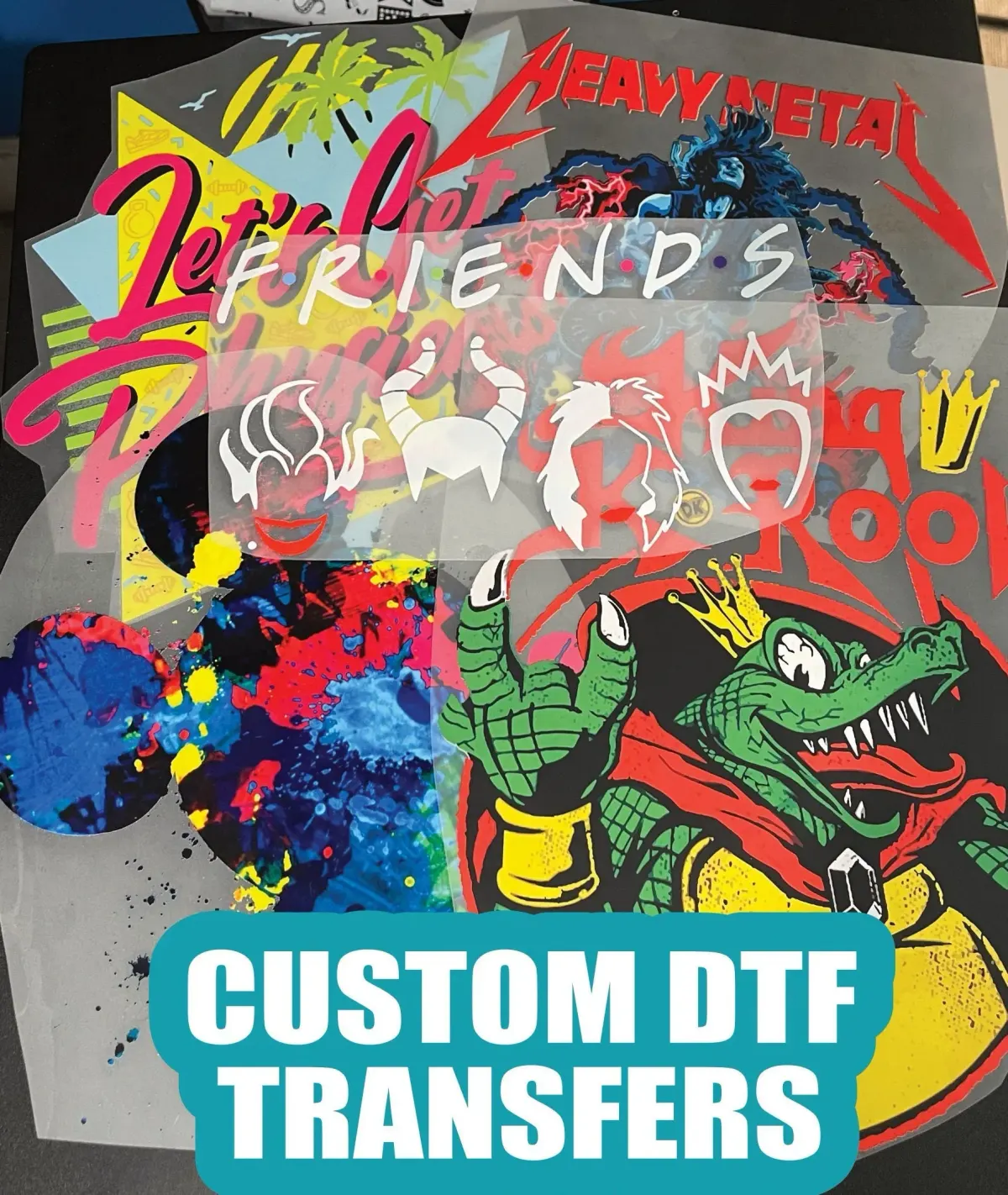
DTF transfers, or Direct to Film transfers, are revolutionizing the realm of custom printing and textile solutions, providing a modern alternative to traditional methods. This innovative technology allows for the production of high-quality textile prints with vibrant colors and intricate details, appealing to both businesses and hobbyists alike. With DTF printing benefits including simplified processes and minimal waste, it has emerged as a popular choice among those seeking sustainable and efficient textile printing solutions. As fashion and personalization grow in importance, the demand for DTF transfers is on the rise, showcasing their versatility across various materials. In this evolving market, understanding how to leverage DTF technology can offer significant advantages in creating personalized apparel and accessories.
Direct to Film transfers, often referred to as DTF printing, represent a cutting-edge approach to fabric decoration that is quickly gaining prominence. This method employs specialized inkjet technology to achieve stunning and durable prints on a variety of textiles, making it ideal for personalized fashion and accessories. As the custom printing landscape expands, many are turning to DTF for its efficiency and high-quality output, which sets it apart from more traditional printing options. Not only does this technique offer vibrant colors and intricate designs, but it is also increasingly favored for its environmentally-friendly practices and minimal waste production. With the rise of DTF technology, entrepreneurs and creators can explore new avenues in textile design, pushing the boundaries of creativity and customization.
Understanding Direct to Film (DTF) Printing
Direct to Film (DTF) printing is revolutionizing how we approach textile arts and crafts. This innovative technique involves printing designs onto a special film, which is then transferred to fabric using heat and pressure. This process allows for vivid and intricately detailed designs that traditional methods struggle to replicate. By utilizing advanced inkjet technology, DTF printing produces high-resolution outputs, making it ideal for intricate patterns and detailed graphics on various substrates.
Moreover, DTF printing stands out for its versatility. Unlike other methods that may be limited to certain fabric types, DTF can effectively print on a range of materials including cotton, polyester, and even blends of different textiles. This opens the door for artists and businesses alike to create everything from personalized apparel to unique promotional merchandise.
Frequently Asked Questions
What are the benefits of using DTF transfers for custom printing?
DTF transfers provide numerous benefits for custom printing, including high-quality textile prints with vibrant colors and intricate details. This method simplifies the production process, reduces waste, and offers versatility across various fabric types like cotton and polyester, making it an ideal choice for personalized apparel.
How do DTF transfers compare to traditional textile printing solutions?
Compared to traditional textile printing solutions like screen printing, DTF transfers are easier to set up and require fewer materials. DTF technology delivers clean, detailed prints and accommodates a wide range of materials, appealing to businesses and hobbyists seeking efficient and high-quality custom printing options.
What materials can I use with DTF transfers?
DTF transfers are versatile and can be used on a variety of materials, including cotton, polyester, and blended fabrics. This flexibility allows you to create custom designs on clothing, bags, hats, and home textiles, catering to diverse customer preferences in the textile printing market.
What equipment do I need for successful DTF printing?
To achieve successful DTF printing, you need high-quality DTF printers, inks specifically designed for this process, and compatible films. Investing in reliable equipment is crucial as it ensures better print quality and fewer failures, ultimately enhancing your custom printing capabilities.
How does the DTF printing process work?
The DTF printing process involves using specialized inkjet printers to print designs onto a film. This film is then transferred onto the fabric using heat, resulting in vibrant and detailed images that conform well to the texture of the material, making DTF an efficient and effective textile printing solution.
Can DTF transfers help reduce waste in textile printing?
Yes, DTF transfers are designed to be more eco-friendly compared to traditional printing methods. They utilize less ink and produce minimal waste, aligning with the growing demand for sustainable textile printing solutions among consumers and businesses looking to lower their environmental footprint.
| Key Points | Details |
|---|---|
| Introduction to DTF Transfers | DTF transfers revolutionize fabric printing, catering to hobbyists and businesses with high-quality, versatile solutions. |
| What Are DTF Transfers? | Specialized inkjet printers create vibrant designs on film for heat transfer to fabrics. |
| Key Advantages | Quality and detail, versatility across various fabrics, simplified production, and minimal waste. |
| Recent Developments | Growth in demand for custom apparel, emerging DTF printer technology, and user-friendly solutions. |
| Best Practices | Invest in quality equipment, use compatible inks, maintain proper heat settings, and conduct tests. |
Summary
DTF transfers are rapidly transforming the custom printing landscape by offering high-quality, versatile solutions that cater to various fabric types. This innovative printing method streamlines production processes, minimizes waste, and supports sustainable practices—making it an ideal choice for both businesses and hobbyists. As DTF technology continues to advance, the accessibility of creating vibrant, durable prints is becoming increasingly attainable for everyone, paving the way for exciting developments in textile printing.