
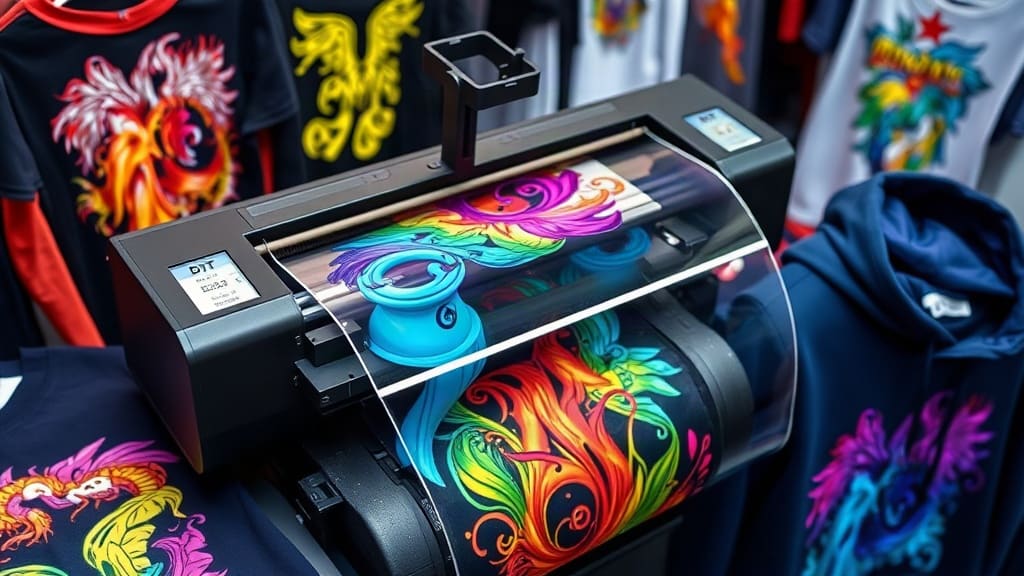
DTF transfers have revolutionized the custom apparel industry, offering a versatile and cost-effective solution for printing on various fabrics. Whether you're a small business owner, a hobbyist, or just curious about modern printing techniques, understanding DTF transfers can open up a world of possibilities. This guide will walk you through the process, benefits, and essential tips to get the most out of this innovative printing method.
What Are DTF Transfers?
DTF (Direct to Film) transfers are a printing method where a design is printed onto a special film using a printer equipped with white ink, then coated with adhesive powder. The film is then heat-pressed onto a garment, transferring the design permanently. Unlike traditional screen printing, DTF allows for detailed, full-color prints with no minimum order quantities, making it ideal for on-demand and short-run production.
How DTF Transfers Work: Step-by-Step
Understanding the process helps you appreciate the technology and troubleshoot potential issues. Here's a breakdown of the key steps in creating a DTF transfer:
- Design Creation: Your artwork is prepared digitally, ensuring it has the correct resolution and color settings.
- Printing onto Film: The design is printed onto a PET film using a DTF printer. White ink is laid down first to create a base, then CMYK colors are printed on top. This order ensures vibrancy even on dark garments.
- Adhesive Powder Application: While the ink is still wet, a hot-melt adhesive powder is applied to the film. This powder allows the design to bond with the fabric during heat pressing.
- Drying/Curing: The printed film with powder is dried (often in a tunnel dryer or using a heat press) to set the powder and evaporate solvents.
- Heat Pressing: The film is placed on the garment, and a heat press applies pressure and heat (typically around 160-170°C) for a specific time, melting the adhesive and transferring the design.
- Peeling: After pressing, the film is peeled away, leaving the design permanently adhered to the fabric.
Key Benefits of DTF Transfers
Why are DTF transfers gaining popularity? The advantages are compelling for many businesses:
- Versatility: DTF works on a wide range of fabrics, including cotton, polyester, blends, and even leather and denim. This flexibility is a huge plus compared to methods like sublimation, which only works on polyester.
- No Minimum Order: You can print a single item or thousands without setup costs, making it perfect for made-to-order businesses.
- High Detail and Color: DTF can reproduce intricate designs, gradients, and photographic images with excellent color accuracy.
- Soft Hand Feel: Modern DTF films and powders produce prints that are soft and flexible, not heavy or plasticky.
- Durability: When applied correctly, DTF prints withstand many washes without cracking or fading.
DTF Transfers vs. Other Printing Methods
Choosing the right printing method depends on your needs. Here's how DTF stacks up against common alternatives:
DTF vs. Screen Printing
Screen printing is excellent for bulk orders with simple designs, but it requires significant setup and is not cost-effective for small quantities. DTF offers lower upfront costs and quicker turnaround for short runs, with the ability to handle highly detailed artwork.
DTF vs. DTG (Direct to Garment)
DTG is similar to printing on paper, but the printer directly applies ink to the garment. DTG is great for cotton but struggles with synthetic fibers. DTF transfers work on more materials and often have a softer feel. DTF also allows you to print on films in advance, which is useful for pre-printing designs.
DTF vs. Sublimation
Sublimation requires 100% polyester or special coatings, and it produces vibrant, permanent prints that become part of the fabric. However, it lacks versatility. DTF can achieve similar vibrancy on a wider variety of fabrics, making it a more flexible choice.
Essential Tips for Successful DTF Transfers
To get the best results, pay attention to these crucial factors:
- Choose the Right Film and Powder: Use high-quality DTF films and powders that are compatible with your printer and ink. Poor-quality consumables can lead to cracking or poor adhesion.
- Proper Curing: Ensure the adhesive powder is fully cured before pressing. Insufficient curing can result in weak bonding.
- Heat Press Settings: The correct temperature, pressure, and time are vital. Too little heat won't melt the powder properly; too much can scorch the fabric or cause the film to stick.
- Peel While Warm: Typically, you should peel the film while it's still hot (unless the instructions say cold peel). Warm peeling gives a shiny finish, while cold peel creates a matte look. Test to see which you prefer.
- Test on Different Fabrics: Fabrics vary in their response to heat. Always test on a sample piece before running a full batch.
- Maintain Your Equipment: Clean your printer nozzles regularly and check your heat press for consistent temperature to avoid defects.
Common Mistakes to Avoid
Even experienced printers can make errors. Here are pitfalls to sidestep:
- Skipping a Test Print: Always do a test run to ensure colors and adhesion are correct.
- Using Incorrect Powder: Some powders are designed for specific films; mixing them can cause issues.
- Applying Too Much Pressure: Excessive pressure can squeeze the ink out or cause bleeding.
- Ignoring Fabric Care Instructions: Remind customers to wash garments inside out in cold water to extend the life of the print.
Applications and Use Cases
DTF transfers are incredibly flexible, suitable for:
- Custom t-shirts, hoodies, and sweatshirts
- Sportswear and athletic apparel with breathable materials
- Workwear and uniforms that need durability
- Personalized gifts and promotional items
- Small batch fashion lines and boutique designs
Frequently Asked Questions
Can I use DTF transfers on dark-colored garments?
Yes, DTF is especially effective on dark fabrics because the white ink base ensures colors remain vibrant and opaque. The white layer is printed first, then the color layers, so the design doesn't get absorbed by the fabric.
How many washes can a DTF transfer withstand?
With proper application and care, DTF prints can last for many washes, typically over 50. The durability depends on factors like the quality of materials, pressing conditions, and washing methods. Washing inside out in cold water and avoiding harsh detergents will extend the print's life.
Do I need a special printer for DTF?
Yes, DTF printing requires a printer that can handle white ink, such as an Epson with a converted DTF system or a purpose-built DTF printer. Standard inkjet printers cannot produce the necessary white base.
Can I use DTF transfers for small orders?
Absolutely. One of the biggest advantages of DTF is that there is no minimum order quantity. You can print a single design for a sample or a custom order without incurring setup costs, making it ideal for print-on-demand services.
Is DTF environmentally friendly?
DTF is generally considered more eco-friendly than some other methods because it produces less waste and uses water-based inks. However, the film and powder are plastic-based, so recycling options may be limited. Always dispose of consumables responsibly.
Conclusion
DTF transfers offer a fantastic blend of versatility, quality, and convenience for custom apparel printing. Whether you're just starting out or looking to expand your production capabilities, embracing DTF technology can help you create stunning products that satisfy your customers. By following the proper techniques and avoiding common mistakes, you'll produce prints that are both beautiful and long-lasting. So why not give DTF a try? Your next custom order could be the perfect opportunity to explore this exciting printing method.