
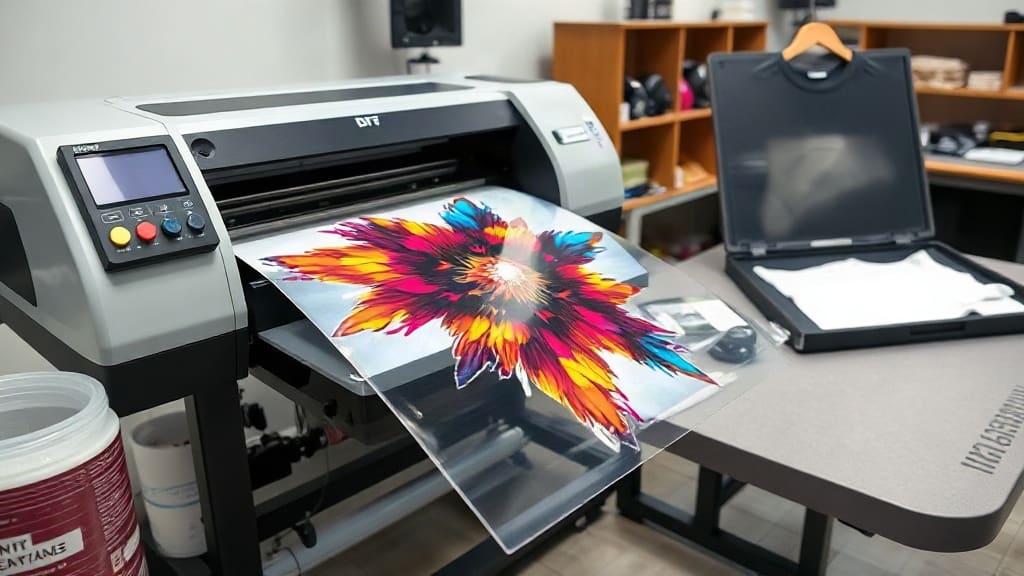
DTF transfers have revolutionized the custom apparel industry, offering a versatile and efficient method for creating vibrant, durable designs on a wide range of fabrics. Whether you're a small business owner, a hobbyist, or a large-scale printer, understanding the ins and outs of DTF printing can help you produce high-quality garments that stand out. In this comprehensive guide, we'll dive deep into what DTF transfers are, how they work, their advantages over other methods, and practical tips for achieving professional results.
What Are DTF Transfers?
DTF stands for Direct to Film. Unlike traditional methods like screen printing or heat transfer vinyl (HTV), DTF involves printing your design onto a special PET film using a DTF printer and specialized inks. The printed film is then coated with a hot-melt adhesive powder, which is melted and cured. This transfer film can later be applied to a garment using a heat press, transferring the design onto the fabric.
The beauty of DTF transfers lies in their simplicity and versatility. You can print full-color designs with intricate details, including gradients and photographic elements, without the need for screens or weeding. This makes DTF an excellent choice for both small custom orders and large production runs.
How Does the DTF Process Work?
The DTF process can be broken down into several key steps. Understanding each step is crucial for achieving the best results.
Step 1: Design Creation
Your journey begins with a digital design. You can create your artwork in software like Adobe Illustrator, Photoshop, or even simpler tools like Canva. Ensure the design is high resolution (300 DPI recommended) and contains the appropriate color modes for printing. If you're using a DTF printer that utilizes CMYK+White, your design should be in CMYK mode, with a separate white layer if needed.
Step 2: Printing onto Film
Load the PET film into your DTF printer. The printer uses specialized DTF inks, typically water-based or pigment inks, that are designed to adhere to the film. The printer prints the design in reverse, as it will be mirrored when applied. For designs that require a white underbase, the printer will lay down a white layer first, followed by the CMYK colors.
Step 3: Applying Adhesive Powder
Once the ink is printed, the film is covered with a hot-melt adhesive powder. This powder is what creates the bond between the design and the fabric. The powder needs to be evenly distributed over the entire printed area. This can be done manually using a shaker or with an automated powder shaker and curing unit. The film is then heated to melt the powder, which fuses with the ink, forming a durable layer.
Step 4: Curing the Film
The film passes through a curing oven or heat source to fully melt and cure the adhesive powder. This step is essential for ensuring the adhesive is activated and the design will stick properly during pressing. The curing temperature and time may vary depending on the powder used, but typically it's around 160°C (320°F) for a few minutes.
Step 5: Pressing the Transfer
When you're ready to apply the transfer, place the printed film onto your garment with the design facing down. Use a heat press set to the appropriate temperature (usually around 160-170°C or 320-340°F) and apply medium to firm pressure for 10-15 seconds. After pressing, peel the film away, and your design is transferred onto the fabric.
Why Choose DTF Over Other Printing Methods?
There are several reasons why DTF transfers have gained popularity. Here are some key advantages:
- Versatility: DTF works on a wide range of fabrics, including cotton, polyester, blends, and even denim or leather. It's not limited to light or dark colors; you can print on both with a white underbase.
- Detail and Color: DTF printing allows for high-resolution, full-color prints with smooth gradients and fine details. You can achieve a photographic quality that is challenging with other methods.
- No Weeding: Unlike HTV, DTF transfers don't require any weeding. The entire design is printed, and the excess film is discarded after pressing. This saves significant time and labor.
- Cost-Effective for Small Runs: Setting up screens for screen printing is expensive for small quantities. DTF has minimal setup costs, making it ideal for made-to-order and small batch production.
- Durability: When applied correctly, DTF transfers are highly durable and can withstand multiple washes without cracking or fading. The adhesive layer ensures a strong bond.
- Soft Hand Feel: DTF prints have a soft texture compared to some heavy plastisol prints. The design sits on top of the fabric but remains flexible and breathable.
Essential Equipment and Supplies for DTF Printing
To get started with DTF, you'll need specific equipment and consumables.
DTF Printer
You can use a dedicated DTF printer or convert an existing Epson or other printer with a DTF kit. Dedicated DTF printers often come with features like white ink circulation to prevent clogging. Popular models include the Epson F2100 or specialized DTF printers from brands like Riicolort or DTF Pro.
PET Film
This is the film onto which you print. It has a coating that accepts the ink and releases it during pressing. DTF film is available in rolls or sheets, and you should choose a high-quality film to ensure good adhesion and easy release.
DFT Inks and Powder
DTF inks are typically pigment-based and come in CMYK plus white. The white ink is crucial for printing on dark garments. The adhesive powder is available in different particle sizes; a fine powder is often preferred for smoother prints.
Heat Press
A quality heat press is essential for applying the transfers. It should have precise temperature and pressure controls. A clamshell or swing-away press works well, and you'll need a Teflon sheet to protect the garment and film.
Curing Oven or Heat Source
While some setups use a heat press to cure the powder, for efficiency, many use a conveyor dryer or a dedicated curing oven. This ensures even heating and consistent results.
Tips for Successful DTF Printing
Getting the best results with DTF requires attention to detail. Here are some professional tips:
- Calibrate Your Printer: Regularly calibrate your printer to ensure accurate color reproduction and sharp prints. Use ICC profiles for your specific film and ink combination.
- Handle the Film Carefully: Avoid touching the printed side of the film with your fingers, as oils can affect adhesion.
- Use Enough Powder: Ensure the powder fully covers the printed design, but avoid excess as it can cause a rough texture. A thin, even layer is ideal.
- Peel Hot or Cold? Check the recommendations for your film and powder. Some DTF films are hot-peel, meaning you peel immediately after pressing, while others are cold-peel. Following the correct method prevents issues like lifting or cracking.
- Pre-Press Garments: A quick pre-press of the garment removes moisture and wrinkles, ensuring better adhesion.
- Test Your Settings: Always do a test press with your specific fabric and transfer combo to fine-tune time, temperature, and pressure.
Common Mistakes to Avoid
Even experienced printers can encounter issues. Here are some pitfalls to watch out for:
- Low-Quality Film or Ink: Using cheap supplies can lead to poor adhesion, cracking, or peeling. Invest in reputable brands.
- Incorrect Powder Application: Too little powder means weak adhesion; too much creates a rough, thick print. Aim for consistent coverage.
- Not Curing Properly: If the powder isn't fully cured, it won't activate during pressing, leading to a transfer that doesn't stick. Ensure your curing temperature and time are accurate.
- Using the Wrong Heat Settings: Too high a temperature can scorch the fabric, while too low won't activate the adhesive. Follow the manufacturer's guidelines for your specific film.
- Ignoring Fabric Type: Some fabrics, like those with high stretch or water-repellent coatings, may need special attention. Always test before production.
Is DTF Right for Your Business?
DTF transfers offer an incredible opportunity for custom apparel businesses. They allow you to offer a wide range of products without investing in expensive screen printing equipment. You can handle orders of any size, from single items to bulk quantities, with quick turnaround times. The learning curve is relatively short, and the results are professional-grade.
If you're looking to expand your printing capabilities, DTF is definitely worth considering. It's a versatile, cost-effective, and high-quality method that meets the demands of today's custom printing market.
Frequently Asked Questions
Can DTF transfers be used on any fabric?
Yes, DTF transfers are versatile and can be applied to cotton, polyester, blends, and many other materials. However, the best results are achieved on natural or blended fabrics. For synthetic fabrics like 100% polyester, you may need to adjust the press temperature and time to avoid melting the garment.
How long do DTF transfers last?
When applied correctly and cared for properly, DTF transfers are very durable. They can withstand numerous washes without significant fading or cracking. To extend the life of your prints, wash garments inside out in cold water and avoid using bleach.
Do DTF transfers need special care?
While DTF prints are durable, it's a good practice to wash garments in cold water and tumble dry on low. Avoid ironing directly on the print; if necessary, iron on the reverse side or use a protective sheet.
What is the difference between DTF and sublimation?
Sublimation is limited to polyester fabrics and requires a white background because the ink becomes part of the fabric. DTF works on both light and dark fabrics and doesn't require polyester. DTF also allows for printing on cotton, which sublimation cannot do.
Is DTF printing expensive to start?
The initial investment for DTF equipment can range from a few hundred to several thousand dollars, depending on the quality and size. However, compared to screen printing, the startup costs are relatively low, making it accessible for small businesses and individuals.
In conclusion, DTF transfers are a powerful tool in the custom apparel industry. Whether you're just starting out or looking to upgrade your printing process, DTF offers a perfect balance of quality, versatility, and ease of use. With the right equipment and techniques, you can create stunning, durable prints that will delight your customers.