
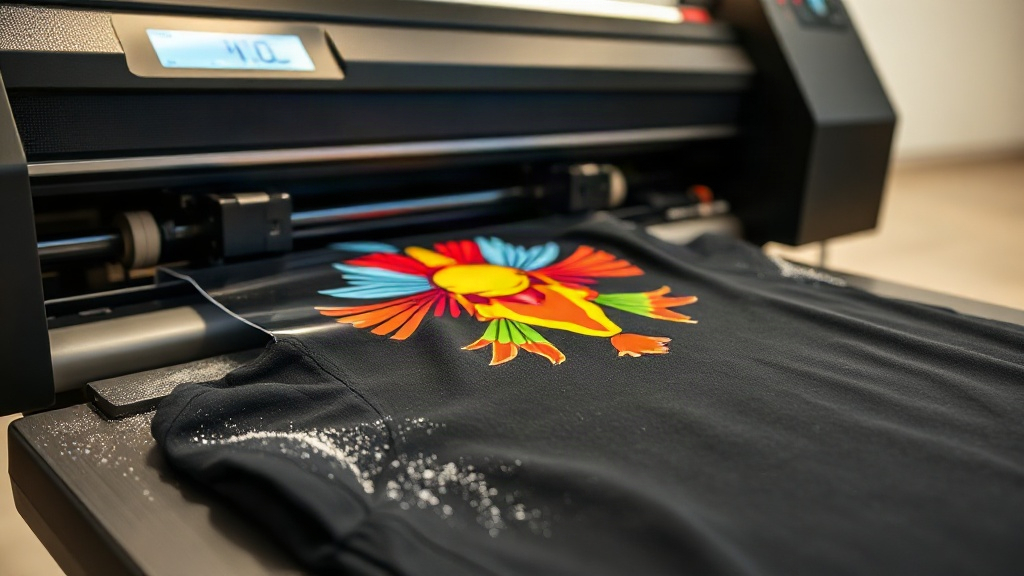
If you've been exploring custom apparel printing, you've likely come across DTF printing. Short for Direct to Film, this method is rapidly gaining popularity for its versatility and vibrant results. Whether you're a small business owner, a hobbyist, or just curious about the latest printing technologies, understanding DTF printing can open up a world of possibilities for your designs.
What is DTF Printing?
DTF printing is a digital printing technique where your design is printed onto a special film, coated with a powder adhesive, and then heat-pressed onto fabric. Unlike DTG (Direct to Garment) printing, which prints directly onto the fabric, DTF uses a transfer film as an intermediary. This allows for printing on a wider range of materials, including cotton, polyester, blends, and even some non-fabric items like leather and canvas.
The DTF Printing Process Step by Step
- Design Preparation: Your artwork is prepared digitally, often with a transparent background. It's important to mirror the image if your printer requires it.
- Printing: A specialized DTF printer lays down white ink first (if needed), followed by CMYK inks, onto a PET film. The white ink acts as a base for vibrant colors on dark fabrics.
- Powder Application: While the ink is still wet, a thermoplastic powder (hot melt adhesive) is applied evenly over the print. Excess powder is shaken off.
- Curing: The film with powder is heated to melt the adhesive, usually with a heat press or a curing oven. This creates a dry, flexible layer that will bond to the fabric.
- Transfer: The cured film is placed onto the fabric and heat-pressed. The adhesive melts, transferring the design permanently. After cooling, the film is peeled away, leaving the design behind.
Why Choose DTF Printing?
DTF printing offers several advantages that make it a compelling choice for both beginners and professionals.
- Versatility: It works on almost any fabric, including 100% cotton, polyester, blends, and even treated leather. This is a major advantage over DTG, which primarily works on cotton.
- Vibrant Colors: The white ink base allows for bright, opaque colors on dark garments, something that DTG struggles with.
- Durability: When properly applied, DTF prints are highly durable, resisting cracking, peeling, and fading even after multiple washes.
- No Pre-Treatment: Unlike DTG, DTF doesn't require pre-treating the fabric, saving time and eliminating a messy step.
- Cost-Effective for Small Runs: It's ideal for small to medium batches since there's no need for screens or plates, making it perfect for personalized items.
DTF vs. Other Printing Methods
How does DTF stack up against other popular printing techniques?
DTF vs. DTG
DTG (Direct to Garment) prints directly onto the fabric, which limits it mostly to cotton. DTF transfers can be applied to a much wider range of materials and often produce more vibrant colors on dark shirts. However, DTG can feel softer on the fabric since there's no transfer layer. Both have their place, but DTF is often more forgiving for beginners.
DTF vs. Screen Printing
Screen printing is cost-effective for large orders but requires setup time and costs for each color. DTF shines for small batches and complex designs with many colors, as there's no per-color setup. The feel of screen printing is generally thinner, but DTF has improved significantly and offers a soft hand when done correctly.
DTF vs. Vinyl
Heat transfer vinyl (HTV) is great for simple designs but can be time-consuming to weed and layer. DTF allows for full-color, intricate designs without weeding, making it faster for detailed artwork.
Getting Started with DTF Printing
If you're ready to dive into DTF printing, here's what you'll need:
- DTF Printer: A dedicated printer that uses DTF inks and can handle white ink. Epson conversions are common.
- DTF Film: PET film designed for DTF printing.
- DTF Powder: Thermoplastic adhesive powder.
- Heat Press: For curing the powder and transferring the design.
- Design Software: Such as Photoshop or Illustrator to prepare your artwork.
Tips for Successful DTF Printing
- Start with quality materials: Using reputable brands for film, powder, and ink will save you headaches.
- Control your environment: Humidity and temperature can affect printing and powder application. Aim for a stable, clean workspace.
- Test your settings: Each printer and powder may require slight adjustments in pressure, temperature, and time. Keep notes.
- Practice peeling: Peeling the film too hot or too cold can ruin the transfer. Follow the recommended peel type (hot, cold, or warm).
- Wash care: Instruct customers to wash inside out in cold water and avoid ironing directly on the print to extend its life.
Common Challenges and How to Overcome Them
Even with the best setup, you might encounter issues. Here are some common problems and solutions:
Ink Not Adhering to Film
This could be due to using the wrong side of the film or insufficient ink coverage. Ensure you're printing on the coated side and check your printer settings.
Powder Not Sticking
If the powder doesn't stick to the wet ink, it might be because the ink is too dry. Print and powder immediately, or increase humidity. Also, ensure you're using fresh powder.
Design Cracking After Wash
Cracking often results from under-curing the powder or not enough pressure during transfer. Increase curing time/temperature and ensure even pressure across the design.
Colors Look Dull
On dark fabrics, a lack of white ink base can cause dull colors. Make sure your printer is laying down enough white ink. Also, check that your transfer settings are correct.
Frequently Asked Questions
What fabrics can I use with DTF printing?
DTF printing works on a wide range of fabrics, including cotton, polyester, cotton-poly blends, nylon, and even leather and canvas. It's one of the most versatile printing methods available.
How durable is a DTF print?
When properly applied, a DTF print can last as long as the garment itself. It resists cracking, peeling, and fading through many wash cycles. Following care instructions is key to longevity.
Do I need a special printer for DTF?
Yes, you need a printer that supports DTF inks, particularly white ink. Many people convert Epson printers for this purpose. Dedicated DTF printers are also available.
Can I use DTF on dark shirts?
Absolutely! DTF is excellent for dark fabrics because the white ink base makes colors pop. This is a major advantage over DTG printing.
Is DTF printing cost-effective for small businesses?
Yes, DTF is very cost-effective for small to medium runs because there are no setup costs like screens or plates. It's ideal for personalized items and on-demand printing.