
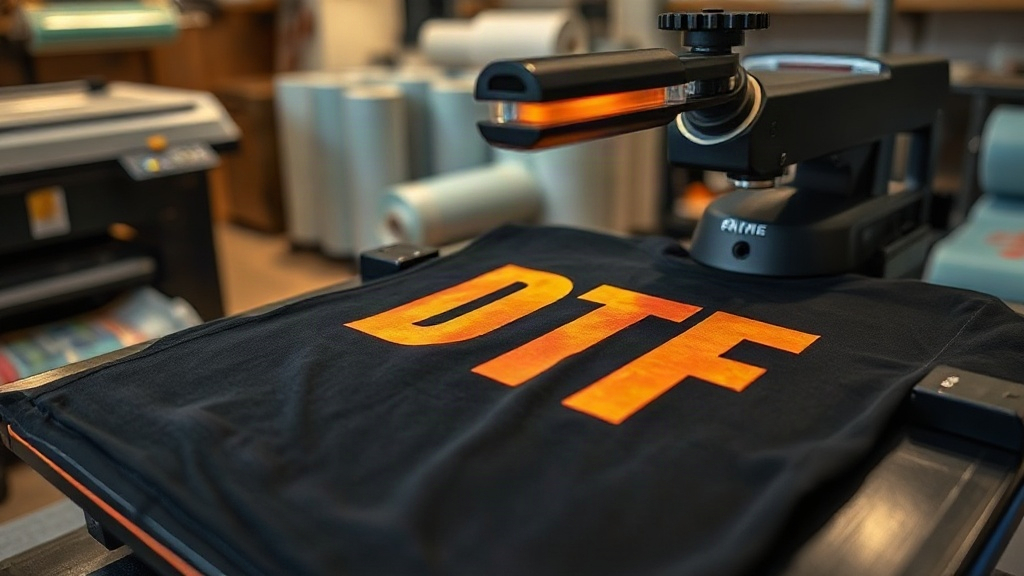
If you run a small print shop, you know the struggle: customers want vibrant, durable prints on everything from cotton tees to polyester hoodies, but traditional methods like screen printing or vinyl can be limiting, time-consuming, or costly for short runs. Enter DTF Transfers (Direct to Film). This technology has been a game-changer for my own shop, letting me offer high-quality, full-color designs on almost any fabric without breaking the bank. In this guide, I'll share what I've learned from years of using DTF transfers, so you can decide if they're right for your business and how to get the best results.
What Are DTF Transfers?
DTF Transfers are a type of heat-applied transfer that starts with a digital print. The design is printed onto a special film using pigment inks, then a hot-melt adhesive powder is applied while the ink is still wet. After curing, the transfer is ready to be heat-pressed onto a garment. The magic is that the adhesive bonds the ink to the fabric, creating a soft, stretchable, and durable print. Unlike DTG (Direct to Garment), which prints directly onto the shirt, DTF transfers are printed separately and then applied, giving you more flexibility and fewer pretreating headaches.
Why DTF Transfers Are a Game-Changer for Small Shops
When I first started, I offered screen printing and heat transfer vinyl (HTV). Both have their place, but DTF opened up new possibilities. Here's why it's become a staple in my shop:
- No color limits: You can print full-color, photographic designs without worrying about color separations or number of screens.
- Works on almost any fabric: Cotton, polyester, blends, even nylon and leather. No need for different inks or pretreatments.
- Low minimums: Perfect for one-offs or small batches. No setup fees or minimum orders.
- Durability: When applied correctly, DTF prints withstand dozens of washes without fading or cracking.
- Cost-effective: For short runs, it's often cheaper than screen printing, and you don't need expensive equipment like a DTG printer.
How to Choose the Right DTF Transfers
Not all DTF transfers are created equal. The quality of the film, ink, and powder matters. Here's what I look for:
Film Quality
Cheap film can cause problems like ink flaking or poor adhesion. Look for films designed for DTF, with a matte side for printing and a glossy side for the adhesive. I prefer films that are 75-100 microns thick; they're durable but still conform to the fabric.
Ink and Powder
Pigment inks specifically formulated for DTF are a must. They need to be vibrant and opaque. The adhesive powder should be fine and evenly applied; too much and the print feels stiff, too little and it won't stick. I've had good luck with powders that have a melt point around 120-130°C (248-266°F).
Transfer Size and Detail
DTF can handle fine details, but very small text or thin lines might not hold up as well. For intricate designs, I recommend testing first. Also, consider the size: transfers can be cut to any shape, but leave a small border around the design to prevent ink bleeding.
Applying DTF Transfers: Step-by-Step
Getting a perfect application takes practice. Here's my tried-and-true method:
- Preheat the garment: Press for 5-10 seconds to remove moisture and wrinkles. This also helps the transfer adhere evenly.
- Position the transfer: Place it with the adhesive side down (the dull side). Use a heat-resistant tape if needed to keep it in place.
- Press: Set your heat press to 160°C (320°F) with medium pressure (around 40-50 PSI). Press for 15-20 seconds. I use a teflon sheet over the transfer to protect it.
- Peel: Wait 5-10 seconds, then peel the film off warm. If you peel too hot, the design might stretch; too cold, and it might crack.
- Post-press: Cover with parchment paper and press again for 5-10 seconds to smooth the print and ensure full adhesion.
Pro tip: Always test on a scrap piece of fabric first. Different fabrics and presses may require slight adjustments.
Common DTF Problems and How to Fix Them
Even with experience, issues can arise. Here are solutions to the most common ones I've encountered:
- Print peeling after wash: Usually due to insufficient pressure, temperature, or time. Increase pressure and ensure even heat. Also, check that the powder was applied correctly.
- Cracking: Often from stretching the transfer when peeling too hot. Let it cool a bit longer before peeling.
- Faded colors: May be from under-cured ink or low-quality transfers. Use reputable suppliers and follow curing guidelines.
- Stiff feel: Too much powder or over-pressing. Use less powder and reduce pressure.
DTF vs. Other Printing Methods
How does DTF stack up against other decoration methods? Here's a quick comparison:
- DTF vs. Screen Printing: DTF wins for full-color, short runs, and complex designs. Screen printing is better for large orders of simple designs.
- DTF vs. DTG: DTF works on more fabrics and doesn't require pretreatment. DTG can be softer on 100% cotton but is limited to cotton-rich fabrics.
- DTF vs. HTV: DTF allows full-color, detailed designs; HTV is limited to solid colors and layering. DTF is generally more durable.
Frequently Asked Questions
How long do DTF transfers last?
With proper application and care, DTF transfers can last 50+ washes. Turn the garment inside out and wash in cold water; avoid bleach and tumble dry low.
Can I use DTF transfers on dark shirts?
Absolutely. DTF transfers include a white ink layer, so they show up vividly on dark fabrics. No need for a separate white underbase.
Do I need a special printer for DTF?
You need a printer that uses DTF pigment inks, typically a modified inkjet printer. Many small shops outsource their transfers to specialized suppliers, which is a great way to start without a big investment.
What's the best way to store DTF transfers?
Store them in a cool, dry place away from direct sunlight. Keep them flat or rolled, not folded, to prevent cracking. Use within a few months for best results.
Final Thoughts
DTF Transfers have leveled the playing field for small print shops. They offer versatility, quality, and affordability that traditional methods can't always match. By choosing the right supplies and mastering the application process, you can expand your offerings and keep customers coming back. I encourage you to experiment and see how DTF can fit into your workflow. If you're looking for reliable DTF supplies, check out DTF Transfers at dtfmaxpro.com.