
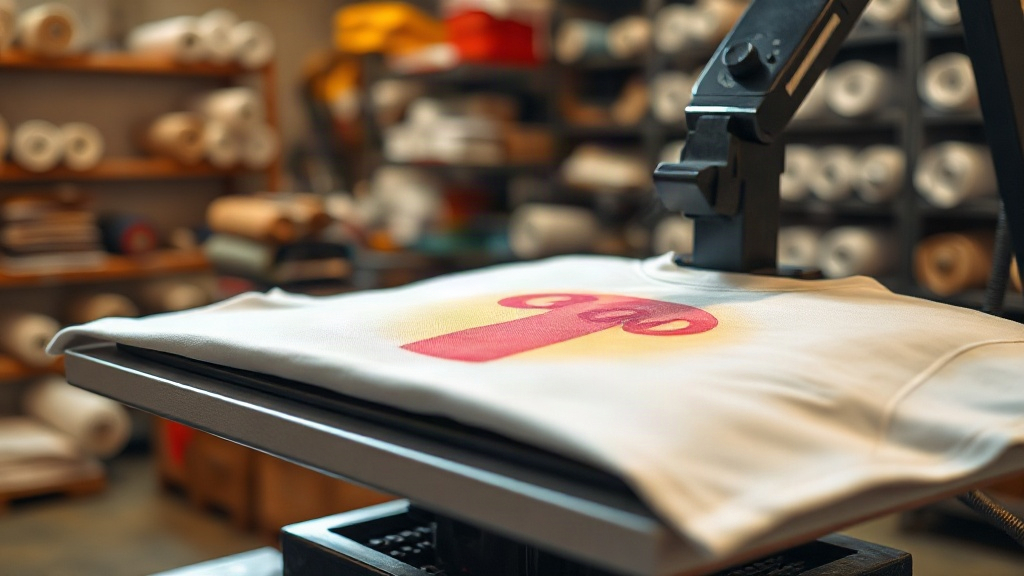
Most people who try DTF Transfers for the first time run into the same surprise: the prints look incredible coming off the press, then start cracking two weeks later. The technology itself is not the problem. The gap is almost always in the details, things like powder application during production, moisture control before pressing, and pressure settings that nobody mentions in the marketing videos. This guide covers what actually matters if you want prints that hold up.
What Makes DTF Transfers Different From Vinyl or Screen Print
Direct-to-film printing works by printing a design onto a PET film with water-based pigment inks, then coating the wet ink with a thermoplastic adhesive powder. The powder melts into the ink during a curing step, creating a flexible layer that bonds to fabric under heat and pressure. That powder layer is the whole trick. It is what allows a DTF Transfers sheet to stick to cotton, polyester, blends, nylon, and even leather without needing a pre-treatment or a specific fabric composition.
Compare that to heat transfer vinyl, which requires weeding and only works well on certain materials, or screen printing, which needs a screen per color and gets expensive fast on small runs. DTF sits in a useful middle ground: full-color detail, no weeding, no minimum order, and one press cycle per garment.
Where DTF Falls Short
It is not magic. Stretch-heavy fabrics like spandex blends can still cause cracking if the transfer is not stretched with the garment. Very dark garments sometimes show a faint halo around the design if the white ink layer is too thin. And the hand feel, while softer than older transfer methods, is still noticeable on large solid blocks of ink. If you are printing a full-front photographic image on a lightweight tee, expect to feel it.
The Press Settings That Actually Matter
Every film supplier prints their own recommended settings, and they vary more than you would expect. A 320°F press for 15 seconds works for one brand and scorches the film for another. The safest approach is to start with the supplier's numbers, then adjust based on results rather than treating any single setting as universal.
Three variables do the heavy lifting:
- Temperature: Most films sit between 300°F and 330°F. Below 300°F, the adhesive powder does not fully activate and the print peels. Above 340°F, the film can warp and the ink can shift.
- Pressure: Medium to firm. You want the powder to push into the fabric weave, not sit on top of it. Too little pressure and the edges lift first.
- Time: Typically 10 to 20 seconds. Longer is not better. Excess time overheats the film without improving the bond.
Peel temperature matters too, and it is the step most people rush. Cold peel films need to cool completely, usually 30 to 60 seconds, before you pull the carrier sheet. Warm peel films come off while still hot. Using the wrong peel method on the wrong film is one of the most common causes of a print that looks perfect and then fails.
Pre-Pressing Is Not Optional
Moisture is the quiet killer of DTF Transfers. Fabric holds water from storage, humidity, or a recent wash, and that moisture turns to steam under the press. The steam pushes the adhesive away from the fabric before it can bond. A five-second pre-press at the same temperature removes that moisture and flattens wrinkles. Skipping it is the single fastest way to get a print that peels at the corners.
Cotton, Polyester, and Blends: What Changes
The beauty of DTF is that the process barely changes across materials. What changes is how the fabric behaves under heat.
Cotton handles higher temperatures well and gives the most reliable bond. Polyester is more sensitive. Above roughly 320°F, some polyesters develop a dye migration issue where the garment's dye sublimates into the white ink layer, leaving a pink or yellow tint in what should be a clean white area. Lower the temperature and extend the time slightly to compensate.
Blends fall somewhere in between, and the practical rule is to test on an offcut before committing to a full run. Nylon and coated fabrics need a lower temperature still, often around 280°F, because the surface can glaze or melt. Once you dial in settings for each material you use regularly, write them down. A press log saves more money than any piece of equipment you will buy.
Washing and Longevity
A properly pressed DTF Transfers print typically survives 50 or more wash cycles without significant fading or cracking. The variables that shorten that life are predictable: washing inside out, cold water, and tumble drying on low heat. Hot water and high dryer heat break down the adhesive over time, and the print will start lifting at the edges long before the ink itself fades.
For best results, wait 24 hours after pressing before the first wash. The adhesive continues to cure as it cools and settles into the fabric, and giving it that window noticeably improves durability.
Common Mistakes and How to Fix Them
Most failed prints trace back to a short list of issues. Here is what to check when something goes wrong:
- Print peels immediately after pressing: The film was peeled too hot or too cold for its type, or pressure was too low. Re-press with a cover sheet and check your peel method.
- Print cracks after a few washes: Usually insufficient pressure or a fabric that stretches more than the print can follow. Stretch the garment slightly during the press cycle to pre-stretch the transfer.
- White areas look yellow or pink: Dye migration from polyester. Drop the temperature by 10 to 15 degrees and pre-press longer.
- Edges lift after a week: Moisture in the fabric at press time. Pre-press every garment, every time.
- Design looks faded or dull: Powder was applied unevenly during production, or the transfer was stored in a humid environment. Store films flat and dry.
Frequently Asked Questions About DTF Transfers
How long do DTF transfers last on a shirt?
With correct pressing and normal care, expect 50 or more washes before you notice meaningful wear. Cold washing inside out and low-heat drying are the two habits that extend that the most.
Can you use DTF transfers on dark colored shirts?
Yes, and this is one of the biggest advantages. The white ink layer printed underneath the color makes the design opaque on black, navy, or any dark fabric without needing a separate white underbase step.
Do DTF transfers work on polyester and nylon?
They do, but at lower temperatures. Polyester typically presses around 300°F to 320°F, and nylon closer to 280°F. Always test on an offcut first because dye migration and surface glazing are real risks on synthetics.
What is the difference between DTF transfers and heat transfer vinyl?
Vinyl requires weeding, works best on a narrow range of fabrics, and struggles with fine detail. DTF prints full-color designs directly onto film with no weeding, bonds to almost any fabric, and handles gradients and photographs that vinyl cannot reproduce.
How should I store unused DTF transfer sheets?
Keep them flat, away from direct sunlight, and in a low-humidity space. Heat and moisture both degrade the adhesive powder over time, so a sealed bag in a cool room is the safest option for long-term storage.