
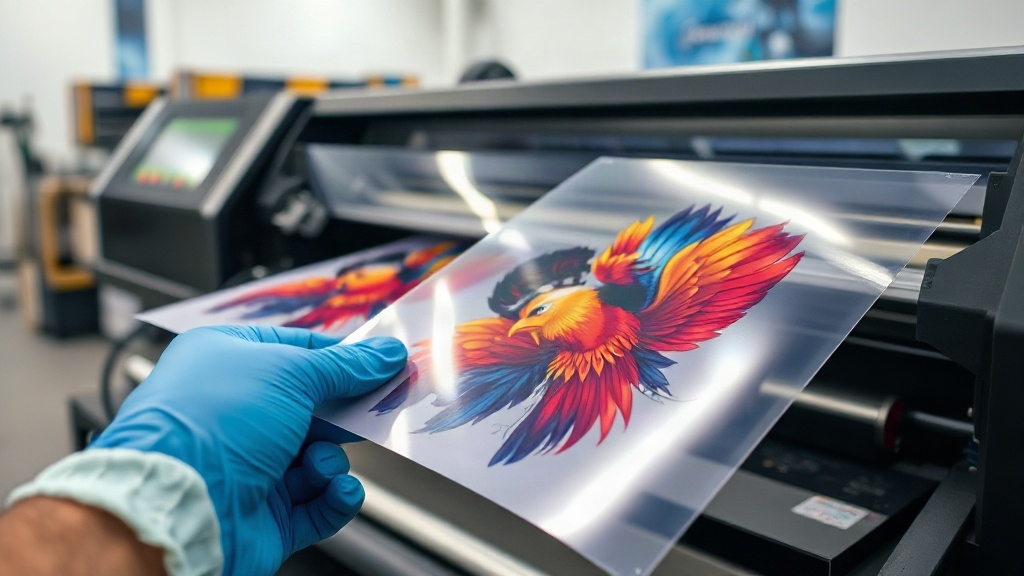
If you've been in the custom apparel game for any length of time, you've likely heard the buzz around DTF printing. Short for Direct-to-Film, this technology has quickly become a favorite among screen printers, crafters, and small business owners who want vibrant, durable prints without the hassle of weeding or the limitations of traditional methods. But what exactly is DTF printing, and why should you consider adding it to your production lineup?
What Is DTF Printing?
DTF printing stands for Direct-to-Film. It's a digital printing process where your design is printed onto a special PET film, coated with a hot-melt adhesive powder, and then heat-pressed onto fabric. Unlike DTG (Direct-to-Garment) printing, which prints directly onto the garment, DTF transfers can be applied to a wide range of fabrics, including cotton, polyester, blends, and even nylon. This versatility is one of the main reasons DTF has exploded in popularity.
How Does DTF Printing Work?
The DTF process is surprisingly straightforward, but it requires precision. Here's a step-by-step breakdown:
- Design Preparation: Create your artwork in a graphic design program. Remember to mirror the image if your design includes text.
- Printing: Using a DTF printer, your design is printed onto a PET film. The printer lays down CMYK inks and then a white ink layer as a base.
- Powdering: While the ink is still wet, a hot-melt adhesive powder is applied evenly over the printed area. The excess powder is shaken off.
- Curing: The film goes through a curing oven or heat press to melt the powder, creating a dry, tack-free surface.
- Transfer: The film is placed on the garment and heat-pressed at a specific temperature and pressure for a set time. After cooling, the film is peeled away, leaving the design bonded to the fabric.
Each step is critical. For instance, under-powdering can lead to poor adhesion, while over-curing can make the transfer brittle. But once you dial in your settings, DTF is remarkably consistent.
Why Choose DTF Over Other Printing Methods?
If you're already offering screen printing, DTG, or vinyl, you might wonder where DTF fits. Here's why many professionals are making the switch or adding DTF to their services:
- No Weeding: Unlike vinyl, there's no tedious weeding process. This saves hours of labor, especially on complex designs.
- No Pretreatment: DTG often requires pre-treating the garment, which adds time and cost. DTF doesn't.
- Works on Many Fabrics: From 100% cotton to 50/50 blends and even polyester, DTF adheres well to most materials.
- Vibrant Colors: The white ink base allows for bright, opaque prints on both light and dark garments.
- Cost-Effective for Short Runs: With no screens or setup fees, DTF is ideal for small batches and one-offs.
- Durability: When applied correctly, DTF transfers withstand dozens of washes without fading or cracking.
DTF vs. DTG vs. Screen Printing
Let's compare these three popular methods to help you decide which is right for your project.
DTF vs. DTG
DTG prints directly onto the garment, which limits you to cotton fabrics. It also requires pretreatment for dark shirts. DTF, on the other hand, can be used on almost any fabric and doesn't need pretreatment. However, DTG can produce a softer hand feel because the ink is absorbed into the fabric, while DTF sits on top. For detailed, multi-color designs on various fabrics, DTF often wins.
DTF vs. Screen Printing
Screen printing is the gold standard for large orders of the same design. It offers unmatched durability and a soft feel. But it requires screens, setup time, and is cost-prohibitive for small runs. DTF shines for short runs, full-color designs, and quick turnaround. Many shops use both: screen printing for bulk orders and DTF for samples, custom pieces, and small batches.
Getting Started with DTF Printing
Ready to dive into DTF? Here's what you'll need:
- DTF Printer: Options range from entry-level converted Epson printers to industrial-grade machines. Your choice depends on your volume and budget.
- DTF Inks: Specially formulated pigment inks for DTF printing. Using the wrong ink can clog your printhead.
- PET Film: Available in rolls or sheets. Double-sided matte film is common.
- Hot-Melt Adhesive Powder: Usually TPU-based. Fine powder works best for detailed designs.
- Curing Oven or Heat Press: To melt the powder. A heat press can double as a curing station if you're careful.
- Heat Press: For transferring the design to the garment. A reliable heat press with accurate temperature and pressure control is essential.
Start with a small setup and practice. Watch tutorials, join DTF communities, and don't be afraid to experiment.
Tips for Perfect DTF Transfers
Even with the right equipment, DTF can be finicky. Here are some hard-earned tips:
- Control Humidity: Moisture can ruin the powder application. Keep your workspace dry.
- Use Quality Film: Cheap film can cause ink smearing or poor release.
- Test Your Powder: Not all powders are created equal. Find one that gives you strong adhesion without excessive stiffness.
- Press Parameters: Follow the manufacturer's recommendations for temperature, pressure, and time. A common starting point is 325°F for 15 seconds with medium pressure.
- Cool Peel: Always let the transfer cool completely before peeling. Peeling hot can stretch the design.
- Wash Inside Out: Advise your customers to wash garments inside out in cold water and avoid fabric softener to extend the life of the print.
Common DTF Problems and How to Fix Them
Encountering issues? Here are quick fixes:
- Design Cracking: Usually caused by under-curing or insufficient pressure. Increase curing time or pressure.
- Poor Adhesion: Could be due to insufficient powder, low press temperature, or too short press time. Check your powder coverage and press settings.
- Ink Smudging: Often from too much ink or wet film. Reduce ink density or ensure film is completely dry before powdering.
- Film Not Releasing: May need more cooling time or a different film type.
Frequently Asked Questions About DTF Printing
Can I use DTF on 100% polyester?
Yes, DTF works well on polyester. However, polyester requires lower pressing temperatures to avoid dye migration. Use a low-temperature powder and press at around 275-300°F.
How long do DTF transfers last?
With proper application and care, DTF transfers can last 50+ washes. Following washing instructions is key.
Do I need a special printer for DTF?
You can convert an Epson printer with a DTF ink system and RIP software, or buy a dedicated DTF printer. Dedicated printers are easier to set up but cost more.
Is DTF printing profitable?
Absolutely. With low material costs and the ability to charge premium prices for custom apparel, many DTF businesses see healthy margins. The key is efficient workflow and marketing.
Final Thoughts
DTF printing is more than a trend; it's a versatile, cost-effective solution that fills the gap between DTG and screen printing. Whether you're a hobbyist or a commercial shop, mastering DTF can open up new revenue streams and creative possibilities. So why not give it a try? With a bit of practice, you'll be producing stunning, durable transfers that your customers will love.