
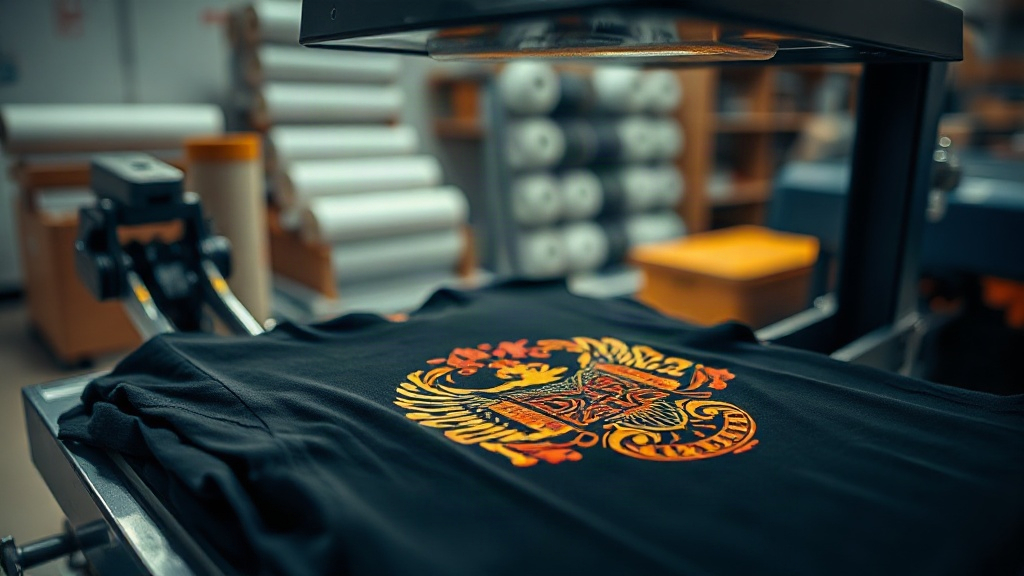
Custom apparel has never been more accessible, thanks to DTF transfers that bring vibrant, durable designs to life on almost any fabric. Whether you're a small business owner, a hobbyist, or a professional printer, understanding DTF transfers can open up a world of possibilities for your creations. In this guide, we'll dive deep into what DTF transfers are, how they work, and why they might be the perfect solution for your next project.
What Are DTF Transfers?
DTF transfers (Direct to Film) are a relatively new printing technology that involves printing a design onto a special film, coating it with a adhesive powder, and then heat-pressing it onto a garment. Unlike DTG (Direct to Garment) or screen printing, DTF transfers don't require pretreating the fabric or using specialized equipment beyond a standard heat press. This makes them incredibly versatile and cost-effective for small to medium-scale production.
The process starts with a digital printer that uses pigment-based inks to print the design onto a PET film. The design is printed in reverse, and then a layer of hot-melt adhesive powder is applied while the ink is still wet. After shaking off the excess powder, the film is cured in an oven or with a heat press. The result is a transfer that can be stored and later applied to a variety of fabrics, including cotton, polyester, blends, and even some synthetics.
Why Choose DTF Transfers Over Other Methods?
There are several reasons why DTF transfers have gained popularity among apparel decorators. Let's explore the key benefits.
Vibrant Colors and Fine Details
DTF transfers can reproduce intricate designs with fine lines, gradients, and photographic details that other methods might struggle with. The pigment inks used in DTF printing are known for their brightness and opacity, especially on dark garments. You can achieve white ink underbase without the need for multiple screens, making it ideal for complex artwork.
Compatibility with Multiple Fabrics
One of the biggest advantages of DTF transfers is their ability to adhere to a wide range of materials. Cotton, polyester, cotton-poly blends, nylon, leather, and even treated canvas can all accept DTF transfers. This flexibility means you don't have to stock different types of transfers for different garments.
Cost-Effective for Short Runs
For small batches or one-off items, DTF transfers are more economical than screen printing, which requires setup costs for each color. With DTF, you can print a single transfer or hundreds with the same setup, making it perfect for personalized gifts, sample production, or limited editions.
Durability and Washability
When applied correctly, DTF transfers are highly durable. They can withstand repeated washing without cracking, peeling, or fading. The adhesive powder creates a strong bond with the fabric fibers, ensuring the print stays put even after years of use.
How to Apply DTF Transfers: Step-by-Step
Applying DTF transfers is straightforward, but following the right steps ensures a professional finish. Here's a detailed guide.
Step 1: Prepare Your Workspace
Set up your heat press on a stable surface. Ensure it's clean and free of any debris. Preheat the press to the recommended temperature, typically around 300°F to 325°F (150°C to 160°C).
Step 2: Position the Transfer
Place your garment on the press and smooth out any wrinkles. Position the DTF transfer with the design facing up. If you're using a transfer with a carrier film, make sure the adhesive side is against the fabric.
Step 3: Press the Transfer
Cover the transfer with a protective sheet (like parchment paper or a Teflon sheet) to prevent sticking. Apply medium to firm pressure for 10-15 seconds. The exact time may vary depending on your press and the transfer manufacturer's instructions.
Step 4: Peel the Film
After pressing, allow the transfer to cool completely before peeling off the carrier film. This is known as a "cold peel." Some DTF transfers may require a hot peel, so always check the instructions. Peel slowly and evenly to avoid lifting the design.
Step 5: Post-Press for Durability
For added durability, you can do a second press for 5-10 seconds with a protective sheet. This helps the adhesive fully cure and ensures the transfer withstands washing.
Common Mistakes to Avoid with DTF Transfers
Even though DTF transfers are user-friendly, some pitfalls can ruin your results. Here are a few to watch out for.
- Incorrect temperature: Too hot and the transfer may scorch; too cold and it won't adhere properly.
- Insufficient pressure: Without enough pressure, the adhesive won't bond with the fabric, leading to peeling.
- Peeling too soon: Always let the transfer cool before peeling unless specified otherwise.
- Not pre-pressing the garment: Pre-pressing removes moisture and wrinkles, ensuring a smooth application.
- Using the wrong film: Ensure you're using quality DTF film designed for your printer and ink type.
DTF Transfers vs. Other Printing Methods
How do DTF transfers stack up against DTG, screen printing, and vinyl? Let's compare.
DTF vs. DTG
DTG printing requires pretreatment and is mainly for cotton fabrics. DTF transfers work on more materials and often produce more vibrant colors on dark garments. However, DTG can be more cost-effective for large runs on cotton.
DTF vs. Screen Printing
Screen printing is ideal for high-volume orders with simple designs, offering low cost per unit. DTF transfers excel in detailed, multi-color designs and short runs without setup fees.
DTF vs. Vinyl
Vinyl is great for simple text and single-color designs but can't handle complex images. DTF transfers can reproduce full-color photographs and gradients with ease.
Tips for Getting the Best Results
To maximize the quality and longevity of your DTF transfers, keep these tips in mind.
- Store unused transfers in a cool, dry place away from direct sunlight.
- Use a quality heat press with accurate temperature and pressure settings.
- Test on a scrap piece of fabric before pressing your final garment.
- Wash garments inside out in cold water and tumble dry low to extend the life of the print.
- Choose high-quality DTF film and powder from reputable suppliers.
Frequently Asked Questions About DTF Transfers
How long do DTF transfers last?
With proper application and care, DTF transfers can last as long as the garment itself. They resist cracking and fading for 50+ washes when washed inside out in cold water and dried on low heat.
Can I apply DTF transfers to 100% polyester?
Yes, DTF transfers work well on polyester. However, because polyester is heat-sensitive, use a lower temperature (around 280°F to 300°F) and shorter pressing time to avoid scorching or dye migration.
Do I need a special printer for DTF transfers?
You need a DTF printer that uses pigment inks and can print on PET film. Many converted Epson printers are popular for DTF, but you can also buy dedicated DTF printers. Alternatively, you can order pre-printed transfers from a supplier.
What is the difference between DTF and DTG?
DTF (Direct to Film) involves printing onto a film and transferring to fabric, while DTG (Direct to Garment) prints directly onto the garment. DTF works on more fabric types and doesn't require pretreatment, but DTG can be more efficient for large cotton orders.
Can I stretch DTF transfers?
DTF transfers have some stretchability, but they are not as elastic as the fabric itself. For stretchy fabrics like spandex, consider using a transfer with a stretchable adhesive or design with less coverage to prevent cracking.
Embracing DTF transfers can elevate your custom apparel game, offering flexibility, durability, and stunning results. With the right knowledge and tools, you can create professional-grade products that delight customers and stand the test of time.