
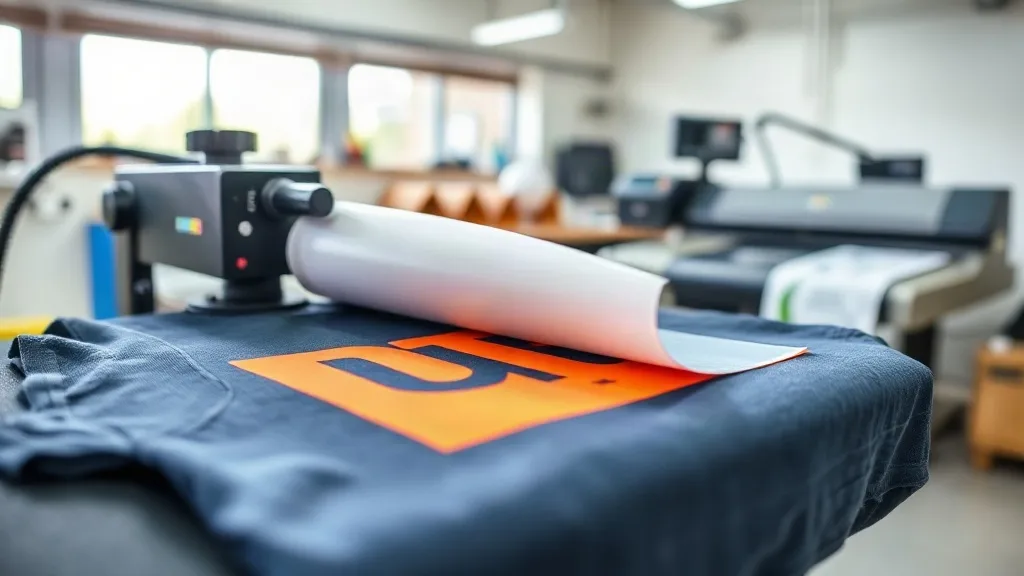
If you've been exploring custom apparel printing, you've likely come across dtf transfers. This innovative technology is transforming the way designers, small business owners, and hobbyists create vibrant, durable prints on fabric. Unlike traditional methods that require specialized equipment or messy processes, DTF transfers offer a streamlined, accessible solution for producing high-quality, full-color designs on a wide range of materials. In this guide, we'll walk you through everything you need to know about DTF transfers, from the basics to pro tips, so you can start creating stunning apparel with confidence.
What Are DTF Transfers?
DTF stands for Direct to Film. It's a printing method where your design is printed onto a special film, coated with a powdered adhesive, and then heat-pressed onto fabric. The process eliminates the need for weeding or cutting, making it faster and more efficient than vinyl or screen printing for complex, multi-color designs. The result is a soft, stretchable print that adheres well to cotton, polyester, blends, and even hard-to-print fabrics like nylon and canvas.
The DTF Printing Process Explained
Here's a step-by-step breakdown of how DTF transfers are made:
- Design Preparation: Your artwork is prepared digitally, ensuring it's mirrored and properly sized.
- Printing: A specialized DTF printer lays down a layer of white ink (for opacity) followed by CMYK colors onto a PET film.
- Powdering: While the ink is still wet, a hot-melt adhesive powder is applied evenly over the print.
- Curing: The film passes through a heat source to melt the powder, creating a dry, tacky surface.
- Transfer: The cured film is placed on fabric and heat-pressed, transferring the design permanently.
This process allows for incredible detail and vibrant colors, even on dark garments, without the need for multiple screens or layers.
Why Choose DTF Transfers?
DTF transfers have gained popularity for several compelling reasons. Whether you're a professional printer or a DIY enthusiast, here's why DTF might be your go-to method:
- Versatility: Works on almost any fabric, including cotton, polyester, blends, and even leather. No pre-treatment required.
- Durability: Prints resist cracking, fading, and peeling, even after multiple washes.
- Cost-Effective for Short Runs: Unlike screen printing, there's no setup cost for screens, making short runs and one-offs affordable.
- Complex Designs Made Easy: Full-color gradients, photographs, and fine details are reproduced accurately without the need for color separation.
- Soft Hand Feel: The prints are thin and flexible, avoiding the plastic-like texture of some other methods.
- Speed: Once the transfer is made, application takes seconds, ideal for on-demand production.
These benefits make DTF a favorite for custom t-shirts, tote bags, hoodies, and more.
DTF vs. Other Printing Methods
How does DTF stack up against other popular techniques? Here's a quick comparison:
- DTF vs. Screen Printing: Screen printing is cost-effective for large orders but requires setup and is limited to simpler designs. DTF excels in complex, multi-color prints and short runs.
- DTF vs. DTG (Direct to Garment): DTG requires pre-treatment and works best on 100% cotton. DTF is more versatile and often more durable.
- DTF vs. Vinyl: Vinyl is great for simple text and shapes but limited in color and detail. DTF handles photographic designs with ease.
- DTF vs. Sublimation: Sublimation only works on light-colored polyester. DTF works on dark colors and cotton too.
For many small businesses, DTF offers the best balance of quality, versatility, and cost.
How to Apply DTF Transfers
Applying DTF transfers is straightforward but requires attention to detail. Follow these steps for a flawless finish:
- Preheat the Fabric: Set your heat press to 325°F (165°C) and pre-press the garment for 5-10 seconds to remove moisture and wrinkles.
- Position the Transfer: Place the transfer on the fabric with the printed side down. Ensure it's exactly where you want it.
- Press: Apply medium pressure for 10-15 seconds. Use a Teflon sheet or parchment paper to protect the press.
- Peel: Wait a few seconds for the transfer to cool slightly, then peel the film off in a smooth, continuous motion. For a softer feel, you can also do a "hot peel" immediately after pressing.
- Post-Press (Optional): For added durability, press again for 5 seconds with a Teflon sheet.
With a bit of practice, you'll be applying transfers like a pro in no time.
Tips for Perfect DTF Application
- Use the Right Pressure: Too little pressure leads to poor adhesion; too much can cause the design to spread. Aim for medium pressure.
- Temperature Matters: Stick to the recommended temperature (usually 325°F) to avoid scorching or incomplete melting.
- Peel Technique: For best results, peel the film while it's still warm but not hot. A slow, steady peel prevents the design from lifting.
- Fabric Selection: While DTF works on many fabrics, tightly woven materials yield the best results.
- Storage: Store unused transfers in a cool, dry place away from direct sunlight to prevent the adhesive from degrading.
Finding DTF Transfers Near You
If you're not ready to invest in a DTF printer, you can still enjoy the benefits of this technology by ordering pre-printed transfers. Wondering where to find dtf transfers near me? Many online services and local print shops offer custom DTF transfers. When choosing a supplier, consider the following:
- Quality: Look for reviews and samples to ensure vibrant colors and durable prints.
- Turnaround Time: If you're on a tight deadline, check their production and shipping times.
- File Requirements: Make sure you understand their file setup guidelines to avoid delays.
- Customer Service: A responsive team can help you troubleshoot issues.
For those who want to produce transfers in-house, investing in a DTF printer and supplies can be cost-effective in the long run. At DTF Max Pro, we offer a range of DTF printers, films, powders, and inks to help you get started.
DTF Transfers: A Smart Choice for Your Business
Whether you're a small apparel brand, a promotional products company, or a DIY enthusiast, DTF transfers offer a reliable, high-quality printing solution. They allow you to produce small batches, experiment with designs, and deliver professional results without the overhead of traditional printing methods. As the technology continues to evolve, DTF is becoming an essential tool in the custom apparel industry.
Frequently Asked Questions About DTF Transfers
What fabrics can I use with DTF transfers?
DTF transfers work on a wide variety of fabrics, including cotton, polyester, blends, nylon, canvas, and even leather. They are particularly effective on dark colors and materials that are challenging for other printing methods.
How durable are DTF prints?
When applied correctly, DTF prints are highly durable. They resist cracking, peeling, and fading, and can withstand dozens of washes. For best longevity, follow proper washing instructions: turn the garment inside out, use cold water, and avoid harsh detergents.
Do I need a heat press for DTF transfers?
Yes, a heat press is essential for applying DTF transfers. A home iron can work in a pinch, but it doesn't provide consistent pressure and temperature, which can affect adhesion and durability. For professional results, invest in a quality heat press.
Can I print DTF transfers at home?
Absolutely. With a DTF printer, you can print transfers in your home studio. You'll need a printer, DTF ink, PET film, and adhesive powder. It's a great option for small businesses and hobbyists who want control over the entire process.
How do I store DTF transfers?
Store unused transfers in a cool, dry place, away from direct sunlight and moisture. Keep them flat to prevent curling. Properly stored transfers can last for several months.
Ready to elevate your apparel game? Explore the possibilities with DTF transfers and see the difference for yourself.